
How to Use Nori in Seafood Bowls and Wraps (12 Practical Tips)
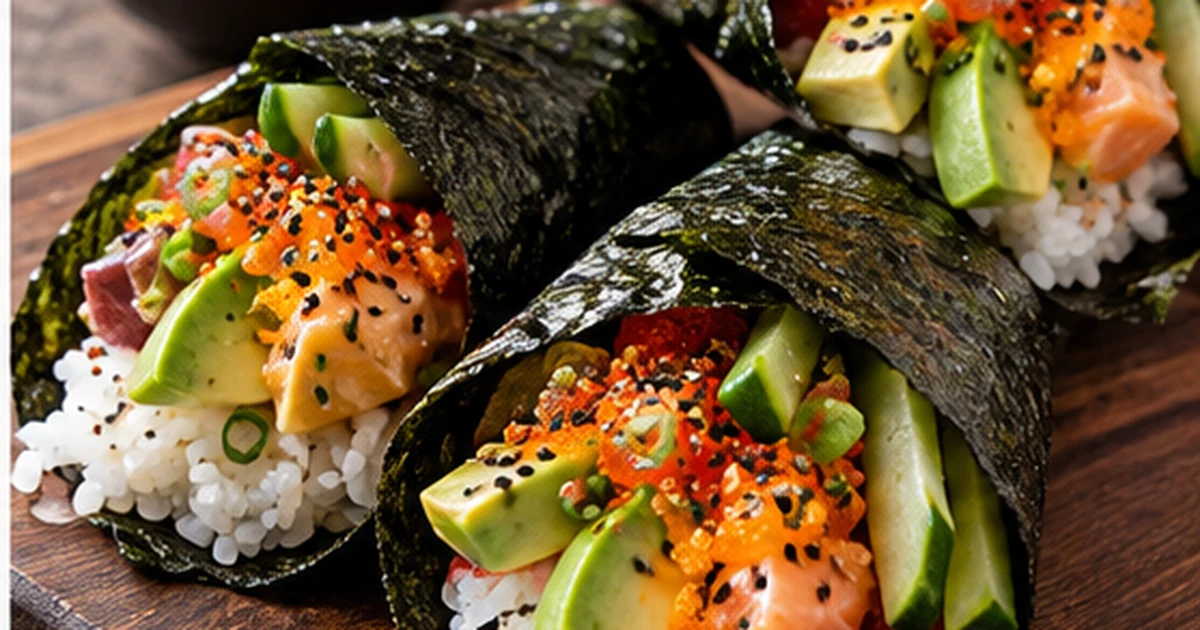
Wondering how to use nori beyond a sushi roll? Thin roasted seaweed sheets can become crisp hand-roll wrappers, tender seafood roll layers, a finishing garnish for rice bowls, and a flavorful topping for noodles or baked fish. Each approach uses the same pantry ingredient in a different way, but success depends on keeping the sheets dry until they meet the finished food.
This SABSEA guide focuses on nori in seafood bowls and wraps rather than repeating the site’s dedicated kimbap, sushi roll or baked salmon recipes. You will learn which product to buy, when to add it, what to pair with it, and how to store leftovers. All suggested seafood should be selected, stored and prepared according to its own food-safety requirements.
What Nori Is and Why It Belongs in Seafood Cooking
Nori is a thin sheet made from edible seaweed, usually sold dried and toasted. It is best known as the outside layer of sushi, but that familiar role is only one practical option. In seafood cooking, its light toasted flavor can highlight salmon, tuna, shrimp and mild white fish without requiring a heavy sauce. The trick is deciding whether a sheet should stay crisp, become a soft wrapper, or act as a small garnish.
This guide answers how to use nori rather than repeating a complete sushi or kimbap recipe. It explains which type to buy, where it fits in a bowl or wrap, how to keep it from turning rubbery, and how to avoid adding too much salty seasoning. Use it as a starting point, then follow the linked full recipes when you want precise cooking times and quantities.
Choose Plain Roasted Nori for the Most Flexibility
Look for packs labeled roasted nori, toasted nori or sushi nori. A standard full sheet is useful for wrapping, while small snack-size sheets are convenient for individual bites. Shredded nori, sometimes sold as kizami nori, is designed primarily as a topping. Seasoned seaweed snack packs may include oil, salt, flavoring or other ingredients and do not always work well when rolled around warm or wet fillings.
Read the ingredient list if you are using nori in a delicate seafood recipe. Plain nori lets you decide how much soy sauce, sesame, citrus or salt to add to the finished meal. A sheet that smells stale, feels damp in its sealed package or tastes unusually bitter will not give a crisp result. Buy smaller packs if you cook with seaweed only occasionally.
Use Nori as a Wrapper for Cooked Seafood
For an easy wrap, put a plain nori sheet glossy-side down on a clean board. Arrange cooled cooked seafood, thin cucumber and a modest amount of rice or other filling along one edge. Roll firmly but gently, and serve soon after assembling. Overfilled sheets tear easily, while very wet fillings soften the seaweed before it can hold together. Pat juicy cucumber dry and drain any dressing first.
If you want the full step-by-step rolling technique, follow our beginner kimbap recipe. For a seafood-focused variation, our smoked salmon sushi roll gives the complete assembly method. Use the guide here to select and handle nori; use those recipes for the detailed rice and rolling procedure.
Make Hand Rolls Instead of Formal Sushi Rolls
Hand rolls are a forgiving way to use nori when dinner needs to be quick. Cut a full sheet into two rectangles, then place a spoonful of warm or room-temperature prepared rice near one corner. Add a small amount of fully cooked salmon or drained canned tuna, crisp vegetables and a bright squeeze of lemon. Fold into a cone and eat immediately so the exposed edges remain crunchy.
Unlike a tightly rolled maki, a hand roll does not require a bamboo mat or perfectly even knife cuts. It works best when each diner assembles their own portions just before eating. Keep any seafood that requires refrigeration properly chilled until serving, and do not leave prepared rice sitting at room temperature. Offer sauces separately, rather than soaking the seaweed before guests pick up their rolls.
Add Nori to Seafood Rice Bowls at the Last Minute
A rice bowl is often the easiest first experiment. Start with safely prepared rice, a cooked seafood topping and a vegetable with some crunch. Add strips of roasted nori immediately before serving. Their toasted aroma contrasts with the soft rice and tender fish, and the dark green strips make the bowl look finished without overpowering it. Use kitchen shears to cut narrow ribbons directly over the plate.
For a flexible base, see our canned tuna rice bowl. The same timing principle applies to our smoked salmon rice bowl: add nori after any warm rice and damp toppings are assembled. Do not stir nori into hot moist rice and leave it covered; that traps steam and makes the garnish limp.
Scatter Fine Nori Strips over Noodles and Soup
Thin strips make a useful finishing garnish for seafood noodles. Cut a dry sheet with clean scissors, then place a small pinch over individual bowls at the table. On a hot noodle dish, the seaweed will soften gradually, so guests can enjoy the crisp first bite and the slightly tender texture underneath. For soup, reserve nori until the bowl is served rather than simmering it with the broth.
Although nori and kombu are both seaweeds, their kitchen roles are different. Kombu is commonly used to infuse broth, while nori is more often used as a wrapper or finishing garnish. This distinction helps prevent turning a delicate seafood stock muddy with too much shredded seaweed. Start with a little, taste, and offer more separately. You can always add extra nori, but removing soaked flakes from a finished broth is difficult.
Build a Crisp Nori and Sesame Topping for Baked Salmon
Nori can also contribute texture to a baked fish fillet when mixed with dry breadcrumbs and toasted sesame. Keep the seaweed in small flakes, not wet paste, and add the mixture close to the end of cooking. This prevents the nori from scorching during the time the fish needs to cook through. A little lemon zest is a good match because it brightens the fish without soaking the topping.
This is a distinct use from rolling a whole sheet around cooked rice. It is particularly useful for readers who do not make sushi but still want a reason to buy nori. Our separate nori-crusted salmon draft develops this technique as a complete measured recipe. For fish-cooking basics already published on SABSEA, review our salmon recipe collection, then apply the nori garnish only when the selected method allows it.
Crumble Nori into Seafood Salads without Making It Soggy
A salad can use nori successfully, but timing matters more than quantity. Prepare and dress the seafood and vegetables first. Tear or snip small dry pieces over each portion immediately before serving. Mild seafood such as cooked shrimp pairs well with cucumber, lemon and a little sesame. If the dressing is especially acidic or watery, use nori as a small table garnish and let everyone add it just before eating.
Do not replace wakame with nori in a recipe that specifically calls for soaking or rehydrating seaweed. Wakame becomes a supple vegetable-like ingredient, while nori quickly collapses into tender thin fragments. Those textures are not interchangeable. When you want a bright green, tender seaweed salad, use the right seaweed instead of forcing a sheet of sushi nori into the role.
Keep Nori Crisp: Moisture Is the Main Enemy
Nori readily absorbs moisture from the air and from foods it touches. Store unopened packs as the label directs, and after opening keep unused sheets sealed tightly in their original bag or an airtight container in a cool, dry place. Keep the wrapper open only long enough to remove the pieces you need. If the product came with a food-safe moisture-absorbing packet, leave it in the package without opening or eating it.
Warm rice, hot broth, wet cucumbers and generous sauces all make nori soft faster. Build bowls and wraps just before serving, add sauces at the table, and do not assemble a large platter hours in advance. A limp sheet is not automatically spoiled, but it will not roll or crackle as well. Check the product’s date, label and any signs of unusual moisture before using it.
Portion Nori without Overwhelming the Seafood
The most useful quantity is usually smaller than beginners expect. One full sheet can wrap an individual roll or several hand-roll pieces, while a few narrow strips may be enough to finish a seafood bowl. For four plates, try cutting one sheet into fine ribbons and placing them in a small bowl on the table. Guests can add more according to taste and texture preference.
Nori naturally has a noticeable marine flavor. If the seafood itself is delicate, avoid piling both flavored seaweed snacks and a salty sauce on the same bite. Plain roasted sheets offer more control. Check package labels for sodium, allergens and other ingredients, particularly if you use seasoned products. Avoid promising specific vitamin or iodine amounts without information for the exact brand and serving size.
Common Nori Mistakes and Their Simple Fixes
If a sheet tears while rolling, the filling is probably too wet, too bulky or unevenly distributed. Use less rice and seafood, dry the vegetables, and keep the sheet flat until you start the roll. If hand rolls fall apart, tuck the filling toward the corner and serve immediately. If a topping tastes burnt, add the dry nori later in the cooking process, not at the beginning.
If a bowl turns soggy, keep chopped nori on the side until eating. If a seasoned snack sheet makes a dish too salty, switch to plain roasted nori and season the other ingredients separately. If you have leftover sheets but no rice, use a small amount as a garnish on seafood noodles or a cooked salmon plate. These fixes are more dependable than trying to turn every nori application into sushi.
A Simple Nori Plan for a Week of Seafood Meals
One small pack can support several distinct meals without making them taste identical. Use a full sheet in cooked seafood hand rolls on the first day. Cut another into ribbons over a tuna rice bowl later in the week. Crumble a small amount onto seafood noodles when serving, and reserve a separate sheet for a quick toasted garnish on cooked salmon. Keep the remaining sheets dry between uses.
This kind of ingredient planning saves effort because the seafood method can change while the nori technique remains simple. For more cooking ideas, browse our shrimp recipe collection and select dishes where a dry topping would be welcome. This guide is meant to make a pantry ingredient practical, not to encourage adding seaweed to every seafood dinner. Choose the application that improves the finished texture and flavor.
Frequently Asked Questions
Is nori the same thing as sushi seaweed?
Plain roasted sushi nori is one common form of dried nori sold in sheets. Seasoned snack sheets may have added oil or salt and can behave differently when used as wrappers.
Can I put nori directly into hot seafood soup?
You can, but it softens almost immediately. For better texture, add very thin strips to each bowl just before eating rather than simmering whole sheets in the pot.
How do I stop nori from getting soggy in rice bowls?
Add it last, after the seafood, rice, vegetables and sauce are arranged. Store any unused sheets airtight and keep sauces separate until serving.
Do I need a bamboo mat to use nori?
No. A mat is useful for tight rolls, but hand rolls, toppings, garnishes and simple folded wraps work without it. Use scissors for neat strips.
Can I substitute nori for kombu or wakame?
Not as a direct one-to-one replacement. Kombu is commonly used for broth infusion, wakame for rehydrated salads and soups, and nori for wrapping and finishing.
For ingredient reference, see Kikkoman’s nori glossary and Harvard’s seaweed guide. Use them as background, and always follow the instructions on the package you actually buy.