
Easy Kimbap Recipe for Beginners: How to Make Kimbap: Korean Seaweed Rice Rolls
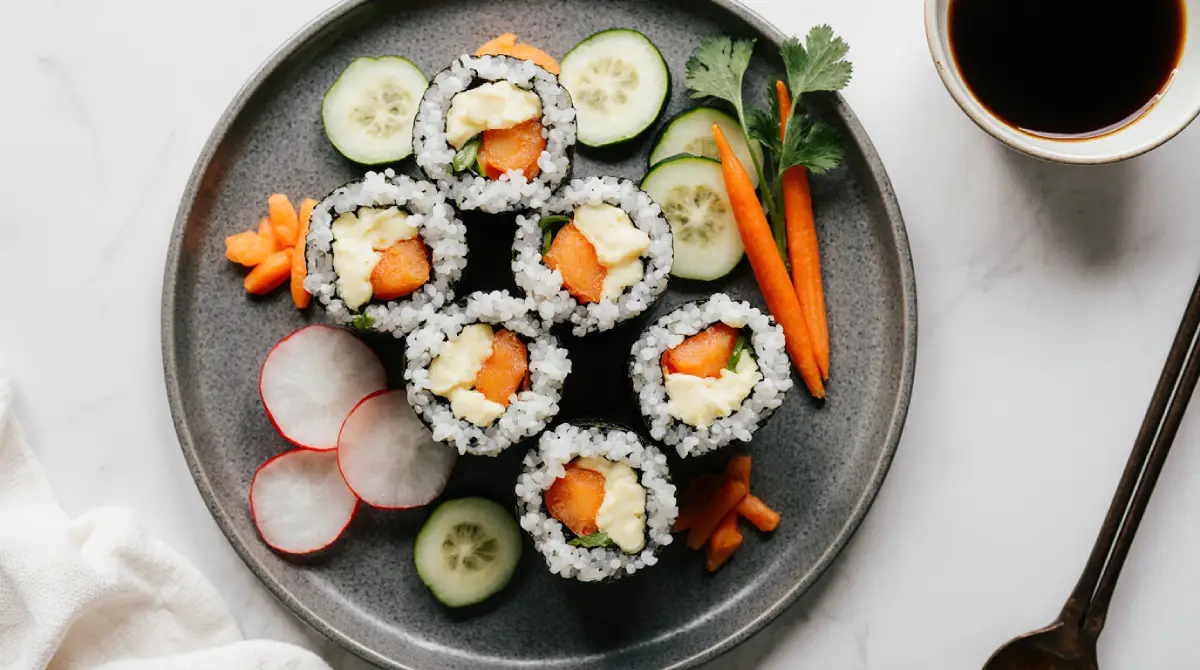
If you’ve ever looked at a beautifully rolled kimbap and thought, “I could never make that at home,” it’s time to think again! How to make kimbap: Korean seaweed rice rolls isn’t as intimidating as it looks. With the right ingredients, a few helpful tips, and this easy kimbap recipe for beginners, you can recreate this iconic Korean dish right in your own kitchen. Perfect for a healthy lunch, a fun snack, or a picnic, kimbap is versatile, nutritious, and absolutely delightful to eat.
This guide will walk you through everything you need to know from the essential ingredients for how to make kimbap: Korean seaweed rice rolls, to step-by-step instructions for beginners, fun filling ideas to customize your rolls, and pro tips to ensure your kimbap comes out perfectly every time. Get ready to roll your way to a delicious, satisfying meal that’s as fun to make as it is to eat!
Table of Contents
Key Ingredients for How to Make Kimbap: Korean Seaweed Rice Rolls
The foundation of any great kimbap starts with the ingredients. When learning how to make kimbap: Korean seaweed rice rolls, quality and preparation of each ingredient are essential. Rice is the star here sticky, slightly sweet, and perfectly seasoned, it holds the roll together and provides a soft, satisfying base for all the fillings. For beginners, using short-grain or sushi rice works best because it’s naturally sticky and easy to roll.
Next, the nori sheets, or seaweed, are what give kimbap its signature look and flavor. Choose fresh, crisp sheets avoid any that feel flimsy or have moisture damage. The seaweed adds a subtle umami flavor and a slight crunch, balancing the soft rice and fillings beautifully.
For fillings, simplicity is your best friend when starting out with this easy kimbap recipe for beginners. Traditional options include lightly cooked spinach, pickled radish (danmuji), and carrots. Eggs, julienned cucumber, and cooked fish or crab sticks can also be added for variety. Fresh vegetables add crunch and color, while proteins make your rolls more satisfying.
Seasoning the rice is another critical step. In authentic kimbap, rice is seasoned lightly with sesame oil and a pinch of salt to enhance flavor without overpowering the fillings. Some beginners may also enjoy a touch of sugar or rice vinegar for added sweetness and balance. Finally, garnishing with toasted sesame seeds gives your rolls a beautiful finish and a nutty aroma that will make your homemade kimbap irresistible.
With the right ingredients, learning how to make kimbap: Korean seaweed rice rolls becomes a fun and approachable task. By focusing on quality and preparation, even beginners can achieve rolls that look professional and taste amazing. Every ingredient works together to create the perfect balance of flavor, texture, and visual appeal the hallmark of excellent kimbap.
Step-by-Step Easy Kimbap Recipe for Beginners
Once you have your ingredients ready, it’s time to dive into the process. Learning how to make kimbap: Korean seaweed rice rolls may seem tricky, but following a step-by-step method makes it simple and enjoyable.
Step 1: Cook and Season the Rice
Start by rinsing 2 cups of short-grain rice thoroughly to remove excess starch. Cook according to package instructions most rice cookers make this easy. Once the rice is cooked, transfer it to a large bowl and gently fold in 1-2 teaspoons of sesame oil and a pinch of salt. Allow it to cool slightly; rice that’s too hot can tear the seaweed sheets.
Step 2: Prepare the Fillings
While the rice is cooking, prep your fillings. Julienne carrots and sauté them lightly for softness and sweetness. Blanch spinach and squeeze out excess water, seasoning lightly with sesame oil and salt. Beat and cook eggs into thin omelets, then slice into strips. If using crab sticks or cooked fish, cut them into thin, even pieces to ensure a consistent roll.
Step 3: Assemble the Roll
Place a sheet of nori on a bamboo rolling mat, shiny side down. Spread a thin, even layer of rice across the nori, leaving about 1 inch at the top edge uncovered. Layer your fillings horizontally, making sure not to overfill beginners often make this mistake.
Step 4: Roll It Up
Using the bamboo mat, roll the kimbap tightly from the bottom edge, tucking in fillings as you go. Press firmly but gently to create a compact roll. Once rolled, brush lightly with sesame oil for shine and flavor. Use a sharp knife to slice the roll into 1-inch pieces, wiping the knife with a damp cloth between cuts to prevent sticking.
Following these steps carefully ensures that your easy kimbap recipe for beginners comes out neat, tasty, and ready to impress friends and family. Repetition and practice will make rolling second nature, and soon you’ll be experimenting with more complex fillings and techniques.
Fun Fillings to Upgrade How to Make Kimbap: Korean Seaweed Rice Rolls
One of the most exciting parts of learning how to make kimbap: Korean seaweed rice rolls is exploring different fillings. While traditional kimbap is delicious, adding creative ingredients allows you to customize your rolls for flavor, nutrition, and visual appeal.
Seafood lovers can try cooked shrimp, imitation crab, smoked salmon, or even seared scallops for a luxurious twist. For vegetarians, roasted bell peppers, avocado slices, or marinated tofu add taste and texture without overwhelming the delicate rice and seaweed. Pickled vegetables like daikon, cucumber, and kimchi introduce tangy crunch that contrasts beautifully with the soft rice.
Experiment with layering flavors and textures. Combining something crunchy, something soft, and something savory makes each bite exciting. For example, a roll with sautéed mushrooms, blanched spinach, and a strip of sweet egg creates a harmonious combination that’s both nutritious and visually appealing. Adding a sprinkle of toasted sesame seeds or microgreens on top can elevate even the simplest rolls.
Even sauces can make your rolls stand out. A thin drizzle of gochujang mayo or a light soy-sesame dressing adds an extra punch. These upgrades transform your easy kimbap recipe for beginners into a customizable culinary canvas where creativity meets tradition.
With fun fillings, how to make kimbap: Korean seaweed rice rolls becomes an adventure rather than a task. It’s a dish that can cater to all tastes and dietary preferences, ensuring everyone at the table enjoys every bite.
Pro Tips for Perfect Easy Kimbap Recipe for Beginners
Even after mastering the basics of how to make kimbap: Korean seaweed rice rolls, small techniques and tips can make a huge difference. First, always keep your bamboo mat covered with plastic wrap. This prevents sticking and helps you roll more tightly. Maintaining even pressure while rolling ensures that the kimbap holds together and looks professional.
Rice texture is key. Rice that’s too wet or overcooked will make rolling messy, while dry rice won’t stick properly. Seasoning the rice with sesame oil and salt not only improves taste but also helps keep the roll cohesive. Similarly, cutting rolls with a very sharp knife in one smooth motion prevents squashing or tearing. Wiping the knife between cuts is a simple trick to maintain clean slices.
Timing is another pro tip. Assemble rolls just before serving to prevent the nori from becoming soggy. If making in advance, wrap tightly in plastic wrap and refrigerate, slicing right before serving. Storing at room temperature for short periods is fine, but moisture and fillings can impact texture over time.
Finally, don’t be afraid to practice. Rolling kimbap is as much an art as a skill. Experiment with different fillings, thicknesses, and rolling techniques. Over time, your confidence will grow, and your rolls will consistently look as good as they taste. With these pro tips, your easy kimbap recipe for beginners will yield perfect rolls every time a true reflection of your effort and creativity.
Easy Kimbap Recipe for Beginners: How to Make Kimbap (Korean Seaweed Rice Rolls)
Equipment
- 1 Bamboo sushi rolling mat (makisu)
- 1 Sharp knife (for clean slicing)
- 1 Cutting board
- 1 Mixing bowl (for rice)
- 1 Non-stick pan (for cooking eggs and vegetables)
- 1 Spatula
- 1 Small bowl of water (to prevent sticking)
Ingredients
- For the Rice:
- 2 cups cooked short-grain rice
- 1 tbsp sesame oil
- 1/2 tsp salt
- For the Fillings:
- 4 sheets seaweed gim/nori
- 1 carrot julienned
- 1 cucumber cut into strips
- 4 strips pickled radish danmuji
- 2 eggs made into thin omelet strips
- 1/2 cup cooked spinach seasoned lightly
- Optional: cooked beef tuna, or crab sticks
Instructions
- Prepare the rice:
- Mix warm rice with sesame oil and salt. Let it cool slightly.
- Prepare fillings:
- Cook carrots lightly, slice cucumber, prepare egg strips, and organize all ingredients.
- Set up rolling station:
- Place a bamboo mat on a flat surface and lay one seaweed sheet on top.
- Spread the rice:
- Evenly spread a thin layer of rice over the seaweed, leaving a small gap at the top edge.
- Add fillings:
- Place carrot, cucumber, egg, spinach, and pickled radish in a line across the center.
- Roll tightly:
- Use the mat to roll the kimbap firmly, pressing gently as you go.
- Slice and serve:
- Brush with a little sesame oil and slice into bite-sized pieces.
Notes
- Don’t overfill the rolls to prevent breaking.
- Keep a small bowl of water nearby to prevent rice from sticking to your hands.
- Best enjoyed fresh, but can be stored short-term in the fridge.
Conclusion
Learning how to make kimbap: Korean seaweed rice rolls is a rewarding culinary adventure that blends tradition, flavor, and creativity. With this easy kimbap recipe for beginners, you can enjoy the satisfaction of rolling perfectly seasoned rice, fresh vegetables, and delicious proteins into bite-sized masterpieces.
From gathering essential ingredients to mastering step-by-step techniques, exploring fun fillings, and applying pro tips, every step brings you closer to creating a dish that’s as enjoyable to make as it is to eat. Whether for a healthy snack, a picnic, or a family meal, homemade kimbap is versatile, delicious, and fun.
So grab your bamboo mat, assemble your ingredients, and dive into the world of kimbap! With patience, creativity, and practice, you’ll soon impress yourself and everyone around you with beautiful, flavorful Korean seaweed rice rolls that are truly unforgettable.
FAQs – Easy Kimbap Recipe for Beginners: How to Make Kimbap: Korean Seaweed Rice Rolls
1. What is kimbap and how is it different from sushi?
Kimbap is a Korean rice roll made with seasoned rice, vegetables, and sometimes meat, wrapped in seaweed. Unlike sushi, it is typically flavored with sesame oil instead of vinegar.
2. Is this easy kimbap recipe for beginners really simple to follow?
Yes, this easy kimbap recipe for beginners uses basic ingredients and clear steps, making it perfect even if you’ve never made kimbap before.
3. What ingredients do I need for an easy kimbap recipe for beginners?
You’ll need cooked rice, seaweed sheets (gim), vegetables like carrots and cucumber, eggs, and optional protein such as tuna or beef.
4. How do you roll kimbap without it falling apart?
Use a bamboo mat, spread rice evenly, avoid overfilling, and roll tightly while pressing gently to keep everything together.
5. Can beginners make kimbap korean kimbap recipe without a bamboo mat?
Yes, you can use parchment paper or a clean kitchen towel, though a bamboo mat makes rolling easier.
6. How do you store kimbap simple kimbap recipe after making it?
Kimbap is best eaten fresh, but you can store it in the fridge for a few hours. Keep it wrapped tightly to prevent drying.