
How to Tell When Cod Is Cooked: Temperature and Flake Test
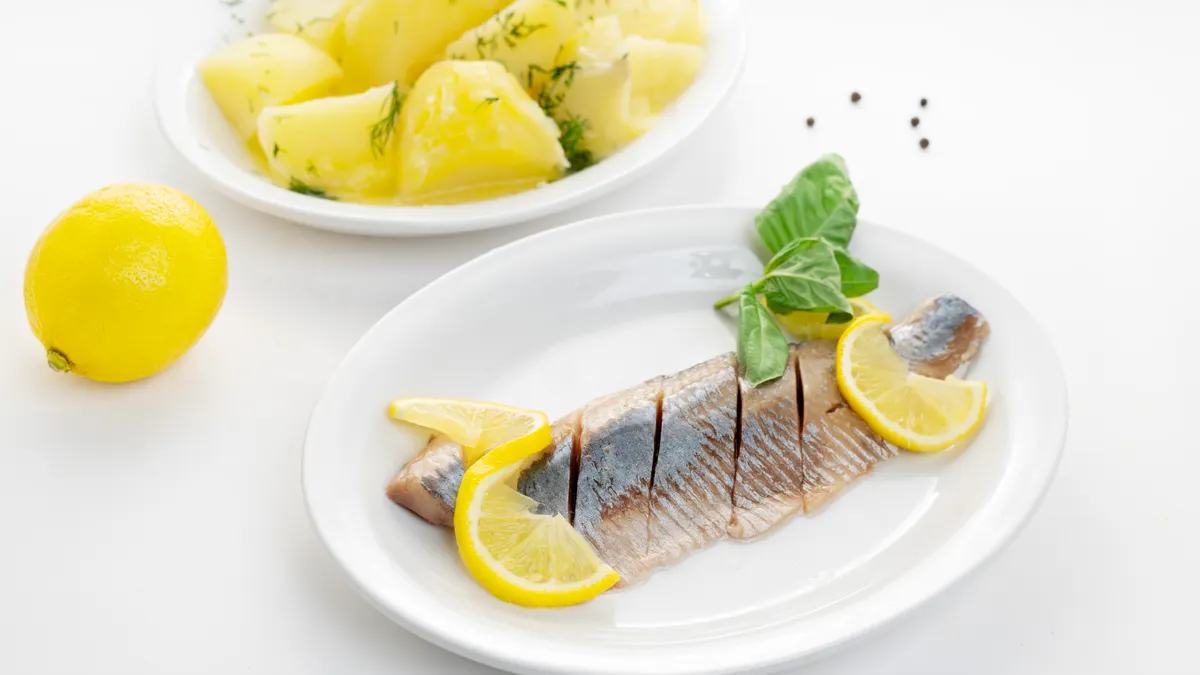
How to tell when cod is cooked: check the thickest center for 145°F (63°C) with a food thermometer, or follow official guidance on flesh becoming opaque and separating easily with a fork when a thermometer reading is impractical. This guide explains how to test baked, pan-seared and air-fried cod, why fillet thickness changes the timing and how to avoid serving a fish that looks finished on the outside but remains translucent inside.
The short answer: when is cod done?
Cod is cooked safely when the thickest part reaches 145°F (63°C), the recommended minimum internal temperature for finfish in U.S. food-safety guidance. When you cannot take a reliable reading, official guidance also describes fish that is no longer translucent and separates easily with a fork. A white surface by itself is not enough to assess a thick piece: the middle can remain translucent even when the edges look fully cooked. This article is about checking doneness, rather than offering another lemon-pepper cod recipe.
Cod is lean and separates into large, delicate flakes when heated. That makes it pleasant to eat but also easy to dry out if it stays over a hot burner while the rest of dinner is finished. Use an instant-read food thermometer for thicker portions, begin checking a little earlier than the recipe’s longest suggested time, and move the fish off direct heat once the safe endpoint is reached. A cooking chart can tell you when to start checking, not exactly when every piece will be ready.
How to use a thermometer in cod fillets
Choose a thin-tip instant-read thermometer intended for food. Insert it into the thickest part of the fish, avoiding contact with a baking tray, pan, bone or the cavity of a folded fillet. If the cod is thin, slide the tip sideways into the middle instead of pushing straight down through the entire piece. Pause long enough for the reading to stabilize. Because cod pieces vary in shape, checking a second thick area may help identify a colder center.
The FDA and FoodSafety.gov list 145°F (63°C) for finfish. Do not confuse this with 165°F (74°C), a common target for reheating cooked leftovers. Clean the probe before and after contact with seafood, especially when moving between raw and cooked food. An infrared thermometer reads surface temperature rather than the interior and is not a substitute for a probe when checking the center of a thick cod loin.
What cooked cod looks and feels like
Raw cod is typically translucent or glassy in the thickest part. As it cooks, the flesh becomes more opaque and the muscle segments begin to separate under light fork pressure. A fully cooked piece is usually white or pale throughout, although color can vary with the fish, sauce and cooking method. The visible white albumin that sometimes emerges on the surface is not a reliable standalone thermometer; it can appear at different cooking stages.
Test a thick edge using a clean fork: the fish should separate into moist flakes instead of resisting as a glossy, jelly-like center. Avoid tearing the whole fillet apart repeatedly to test it. Visual cues are especially useful when a piece is too thin for accurate thermometer placement, but if the center remains translucent, continue cooking and check again. Do not confuse falling apart from long cooking with evidence that the fish was cooked to the appropriate safe temperature.
Why thickness matters more than a universal minute count
A half-inch cod fillet needs much less time than a thick cod loin taken straight from the refrigerator. A narrow tail can be done before the center of a larger portion. Oven calibration, pan material, basket circulation, moisture and whether the fish began thawed or frozen all affect the result. Recipes that promise exactly ten minutes for every cod fillet can mislead readers into trusting a timer even when the center has not been checked.
For planning, begin the doneness check near the early end of the cooking range recommended for your chosen method, then continue only as needed. Our oven-baked fish timing-by-thickness guide gives useful first-check windows. If the fish has a very thin tail, tuck it underneath or divide portions by thickness to prevent the tail from drying out. The final test remains safe interior doneness, not the clock.
How to check baked cod in the oven
When baking cod, slide the oven rack out carefully or remove the dish briefly to check the thickest part. Keep your thermometer away from the hot metal tray and any lemon slice underneath the fillet. Thick pieces may need additional oven time after the outside becomes opaque. Add a small amount of warm stock or oil to prevent excessive surface drying, but do not treat a glossy sauce as proof that the center is hot enough.
Once the fish reaches the safe endpoint, remove it promptly and serve with vegetables or grains already prepared. Our baked mahi mahi and Mediterranean baked pollock recipes illustrate how other white-fish species can need a different schedule even in an oven. For cod, use a recipe specifically written for its thickness and then verify doneness with the same temperature principle.
How to check pan-seared cod without breaking it
Cod is fragile once its muscle layers begin to separate. In a skillet, sear the first side long enough to develop a light crust, then turn with a wide fish spatula rather than narrow tongs. If the fillet resists release from the pan, give it a little more time. After turning, lower the heat if the surface is browning much faster than the center. Insert a probe from the side of the thickest portion and check away from the skillet bottom.
Frequent flipping makes cod more likely to break and sheds moisture. You normally need only one careful turn for a thick fillet, while very delicate pieces may benefit from a different method. For handling techniques, see our thin-fish fillet guide. If the outside is brown but the middle is still below the recommended cooking endpoint, reduce heat and continue gently rather than increasing the flame and burning the surface.
How to check cod in an air fryer
An air fryer can brown the top of cod while the center finishes more slowly, particularly when a fillet is thick or starts very cold. Remove the basket carefully when checking and measure from the thick side. Do not press the thermometer through the fillet into a hot basket or metal tray. Large pieces may have a temperature difference between the outside and middle even when the seasoning looks crisp.
Our air fryer cod with lemon pepper provides a complete measured recipe and method for that appliance; this guide addresses the diagnostic question that applies across cooking methods. Keep a space between cod portions, avoid a wet, thick coating that traps moisture and check the center before serving. If a fillet is still translucent in the middle, return it for another brief interval and test again.
Can frozen cod look cooked on the outside but be cold inside?
Yes. A cod fillet placed in heat directly from frozen can develop an opaque outside while the center remains icy or undercooked. Some products are specifically intended to be cooked from frozen, but their packaging directions and cooking method should be followed instead of assuming that the timing for thawed cod will work. The FDA recommends refrigerator thawing for seafood when thawing is needed; a cold-water method in a leakproof package is another option when handled correctly.
If using thawed cod, pat it dry before cooking so the surface browns more evenly. Never thaw it overnight on the countertop. Large frozen pieces need careful center checks, and an oven or covered moist method may cook more evenly than a hard sear. If the center is below the safe temperature, keep cooking even when the outer flakes have separated. For a different freezer-to-kitchen task, see how to thaw frozen shrimp safely; shrimp need their own handling rules.
Common cod doneness mistakes
Only watching the crust: the exterior can brown before the thick center is cooked. Using a surface infrared thermometer: it cannot measure the middle. Putting the probe against hot metal: a false high reading can result. Relying on one fixed minute count: thickness and cooking equipment matter. Flaking a whole fillet apart: repeated tests can destroy presentation before dinner is ready.
Another mistake is assuming a dry or rubbery texture means extra safety. Overcooked fish can be unpleasant and does not improve the quality of the meal. Check at a sensible interval, remove as soon as an appropriate endpoint is reached, and avoid keeping the fish on a hot tray for an extended period. If fish smells sour or ammonia-like before cooking, discard it rather than trying to make it safe by cooking longer. Proper storage matters as much as the final temperature.
How to store and reheat cooked cod safely
Refrigerate cooked cod promptly at 40°F (4°C) or below in a covered shallow container. Do not leave it on the dinner table for hours: general FDA guidance says refrigerate within two hours, or within one hour if the surroundings are above 90°F (32°C). Properly handled cooked fish leftovers are usually kept three to four days. Separate fish from raw food and use clean utensils when serving and packing leftovers.
Reheated cooked cod has a different safety endpoint from raw cod: FoodSafety.gov lists 165°F (74°C) for reheated leftovers. Use gentle heat and a small amount of moisture if necessary, checking carefully because previously cooked cod can become dry and flaky quickly. Avoid reheating the same container repeatedly. For guests who need a simple rule, remember: a food thermometer in the thickest part is your most dependable check for a substantial cod portion.
Frequently Asked Questions
What internal temperature should cooked cod reach?
For finfish, official U.S. guidance recommends 145°F (63°C) at the thickest center, measured with a food thermometer.
Can you tell if cod is cooked by its color?
Cooked cod is generally opaque and flakes apart, but exterior color alone is not reliable for thick portions. Measure the center when possible.
How do I check cod that is too thin for a thermometer?
Try inserting a thin probe sideways into the thickest edge. If a reliable reading is not possible, use the official opaque-and-flaky visual endpoint.
Is cod done when it starts to flake?
Flaking is a useful sign, but do not rely on a browned surface or a single flake. Check the thickest center and use a thermometer if practical.
What temperature should leftover cooked cod reach when reheated?
Reheat previously cooked leftovers thoroughly to 165°F (74°C), and refrigerate promptly after the original meal.