
Baked Whiting with Garlic Parsley Breadcrumbs
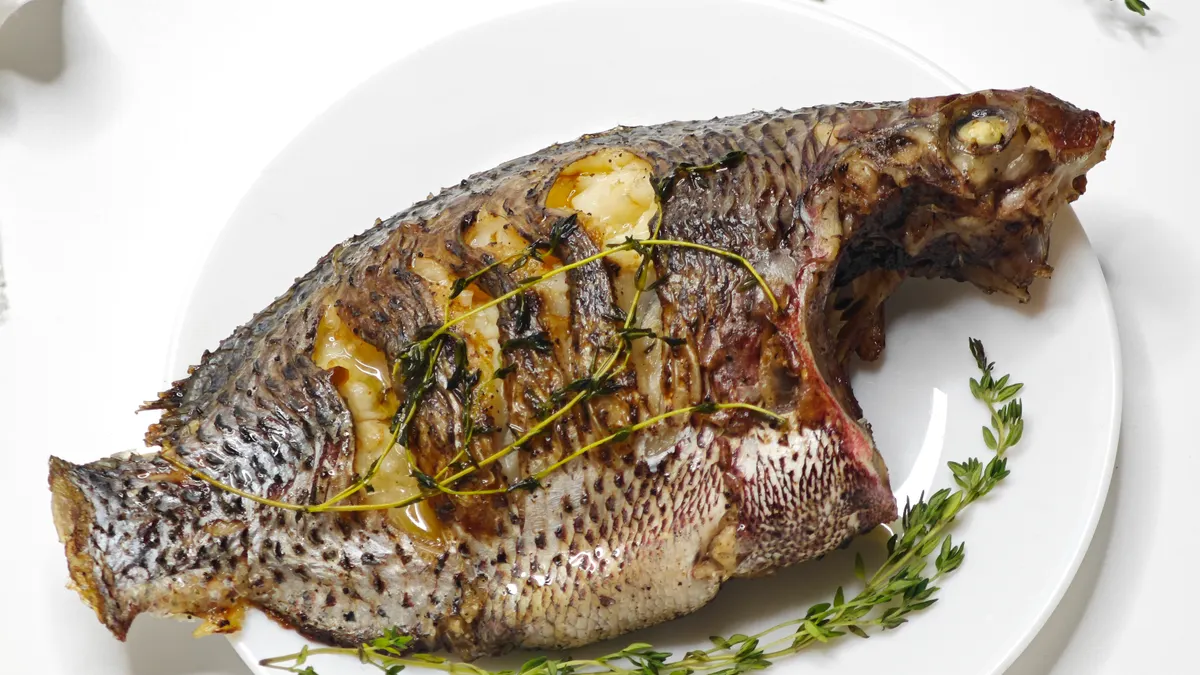
Baked whiting with garlic parsley breadcrumbs is a lighter alternative to pan-fried fish, with a crisp golden topping and tender white flesh. Because whiting is delicate, this recipe pre-toasts the crumbs with olive oil and garlic so the fish can finish quickly in the oven without being flipped. The guide includes exact ingredients, safe doneness checks, ways to keep crumbs crunchy and simple sides that work with lemon and herbs.
Why whiting works for a crisp oven topping
Whiting is a mild, lean white fish with a delicate, flaky texture. It cooks quickly and tastes good with simple seasonings, making it a useful alternative to heavier fried fish recipes. The challenge is that whiting fillets are often thin: if a breadcrumb topping needs twenty minutes to brown, the fish may be overcooked before the crumbs are ready. The solution in this recipe is to toast the garlic-parsley crumbs briefly in a skillet before sprinkling them over the fish.
This small extra step makes the top more reliable. Panko absorbs a little olive oil and develops color in a controlled way. Once the crumbs are golden, they need only a short oven finish while the fish cooks through. Lemon zest adds fragrance without soaking the crumbs, and parsley provides color and freshness.
Unlike our crispy pan-fried whiting fillets, this recipe uses a baking tray and a light top-only breadcrumb crust instead of coating both sides and turning the fish in a skillet. That makes the method especially suitable for fragile fillets that might split during a flip.
Choosing good whiting fillets
Look for whiting fillets that are pale, moist and evenly cut, with no dried edges or strong off smells. If buying frozen fish, choose an undamaged package without signs of thawing and refreezing. Thaw it in the refrigerator inside a covered dish, then pat the fish dry before preparing the topping. The FDA seafood guidance recommends cold storage and safe thawing for fish and shellfish.
Because whiting often tapers toward the tail, choose similarly sized pieces when possible. Fold the narrowest end under the fillet so it does not dry out before the thickest section cooks. Remove any pin bones with clean fish tweezers. If a fillet is especially thin, handle it on the baking tray rather than lifting it repeatedly before cooking.
Skinless fillets are convenient for this recipe. Skin-on whiting can also be baked, but the surface where the skin contacts the baking tray may soften rather than crisp. This recipe focuses on a crunchy breadcrumb top, not on crackling skin. For thicker fish, cod or haddock can work with adjusted cooking windows.
The role of panko, garlic and parsley
Panko breadcrumbs are light and irregular, creating a more open, crunchy surface than fine dry crumbs. You do not need a thick layer: a few tablespoons per fillet are enough to provide contrast without turning the dish into bread with fish underneath. Olive oil helps distribute heat and prevents the crumbs from tasting dusty. Finely minced garlic gives aroma, but it should be added near the end of the pre-toasting step so it does not scorch.
Fresh parsley is best chopped finely and stirred into the toasted crumbs off heat, keeping its color. Use the zest of one lemon for fragrance, then offer juice at the table. Adding lemon juice directly to the crumb mixture before baking makes it soggy. If you prefer a slightly warmer flavor, add a pinch of smoked paprika or black pepper.
Salt should be controlled across the topping and fish. Different packaged crumbs may already contain salt, so taste the toasted crumbs before they touch raw fish. Fresh herbs and lemon provide a bright finish without excessive seasoning.
What you need for a no-flip baked fish dinner
A shallow metal baking tray, parchment paper or a lightly oiled baking sheet, a nonstick or heavy skillet for the crumbs, and a broad fish spatula are the main tools. A small instant-read thermometer is especially valuable for thicker pieces. Use a spoon to apply the topping rather than pressing hard on the fragile fish. A deep casserole dish traps steam, which can soften the topping, so a flat tray is usually preferable.
Heat the oven fully before preparing the fish, and move the rack toward the middle of the oven. Too close to the top heating element, the crumbs can darken before the center reaches a safe temperature. If using a convection setting, check earlier because the fan can brown the topping faster. A perforated liner is not needed for oven baking; simple parchment makes cleanup easy.
Keep a clean serving platter near the oven. Once baked, whiting should be transferred as a complete portion with a broad spatula, not pulled apart with tongs. The less the fish is moved, the better it will hold together.
Baked whiting with garlic parsley crumbs: recipe card
The WP Recipe Maker card below contains exact amounts, measured servings and a straightforward sequence for toasting the crumbs, arranging the fish and checking the oven. The listed time is a planning estimate; the safe internal condition matters more than the clock.
Baked Whiting with Garlic Parsley Breadcrumbs
Equipment
- Shallow oven tray
- Small skillet
- Broad fish spatula
- Instant-Read Thermometer
Ingredients
- 1 1/2 lb whiting fillets thawed safely, pat dried, pin bones removed
- 1/2 cup panko breadcrumbs
- 3 tbsp olive oil 2 tbsp for crumbs, 1 tbsp for fish
- 2 garlic cloves very finely minced
- 2 tbsp flat-leaf parsley finely chopped
- 1 tsp fresh lemon zest
- 1/4 tsp black pepper freshly ground
- 1/4 tsp smoked paprika optional
- to taste fine salt
- 1 lemon cut into wedges, added at serving
Instructions
- Preheat the oven to 400°F (205°C). Line a shallow metal baking tray with parchment or lightly oil it.
- Heat 2 tbsp olive oil over medium-low in a skillet. Add panko and stir until pale gold, about 2–3 minutes, then add finely minced garlic for 20–30 seconds without burning.
- Remove skillet from heat. Stir in parsley, lemon zest, black pepper, optional smoked paprika and a small amount of salt. Cool briefly.
- Pat whiting dry, check for bones and fold very thin tails under. Place fillets on tray in one layer and brush with remaining 1 tbsp olive oil.
- Spoon a light layer of toasted garlic-parsley crumbs onto each fillet without compressing it.
- Bake without flipping and begin checking after about 7–8 minutes, allowing longer for thick pieces. Cook finfish to 145°F (63°C) where a reliable center reading is possible; otherwise use the official opaque-and-flaky endpoint.
- Lift the cooked fish gently with a broad spatula and serve at once with fresh lemon wedges and vegetables.
Notes
Step-by-step: toast crumbs, then bake the fish
Start by heating a small amount of olive oil over medium-low heat in a skillet. Stir in the panko, keeping it moving until pale gold. Add minced garlic for the final half-minute, then remove from heat and fold in chopped parsley, lemon zest and pepper. Let the mixture cool slightly. It will become more crisp as steam escapes, and the garlic will not have to endure the full oven time.
Arrange the whiting fillets on a lined tray with small gaps between them. Pat dry, brush lightly with oil and season. Spoon the toasted crumbs over the top of each fillet and spread gently, without compressing. Bake at 400°F (205°C) until the fish is safely cooked. Thin pieces can finish quickly, so start checking early. The FoodSafety.gov seafood chart recommends a center temperature of 145°F (63°C) for finfish, or opaque, easily separated flesh if a reliable thermometer reading is impractical.
Lift the fish onto warmed plates with a wide spatula and serve with lemon wedges. Do not immediately pour a large amount of sauce over the crumb topping, which will soften it. If you want moisture, serve a light yogurt-herb sauce on the side.
How thick fillets change the oven timing
The same recipe behaves differently with 1/4-inch whiting and a thicker 3/4-inch piece. A thin tail can cook within minutes of the tray entering the oven, while a thicker central section takes longer. Begin checking when the fish starts to turn opaque and the crumbs are lightly golden; continue baking until the thickest area is safely done. Never rely on a single minute count copied from a recipe using a different fish cut.
Folding the tail underneath helps even out thickness. For several very differently sized fillets, remove the thinner portions when finished and leave the thicker ones in the oven a little longer. Avoid crowding: when portions touch, they can steam and become soft at the edges. A metal tray tends to transfer heat more quickly than thick ceramic cookware.
Our baked fish timing by thickness guide explains how first-check windows work. Use it to plan when to inspect fish, not as a substitute for verifying safety.
Side dishes that make this an easy meal
Because the fish has a crunchy topping, pair it with something fresh or tender: steamed green beans, lightly dressed arugula, roasted zucchini or small boiled potatoes. A squeeze of lemon balances the crumbs without needing a heavy sauce. Simple rice also works if you want to stretch the meal for more people. Keep the side dishes restrained so the delicate flavor of whiting remains noticeable.
For a brighter plate, serve a chopped tomato and cucumber salad with olive oil and parsley. If making a cool dip, combine plain yogurt with finely chopped dill, lemon zest and a little black pepper. Keep the dip in a separate bowl rather than spooning it over the fish before serving. That lets each diner decide how much sauce to use while preserving the texture of the crumbs.
When preparing dinner for children, examine each whiting portion carefully for pin bones and serve appropriately sized pieces. Warn diners that very delicate fillets may have small bones despite careful trimming.
How to fix dry fish or soggy breadcrumbs
Crumbs burn: the pan used to toast them was too hot or the oven rack too close to the element. Toast over medium-low heat and keep the tray in the middle of the oven. Fish is dry: it was likely cooked too long, especially at the thin tail. Check earlier next time and fold narrow sections under. Crumbs fall off: they may have been piled on thickly or pressed onto very wet fish. Dry the fillet and use a light coating of oil.
The topping is soggy: avoid adding lemon juice to the crumb mixture and use a shallow tray. Fish breaks when served: lift from underneath with a broad spatula and do not flip it during baking. The center is translucent: continue cooking and verify a safe endpoint, even if the topping already looks browned.
If the crumbs become dark while the fish still needs time, shield the tray loosely with foil and reduce the oven heat slightly. You can also remove loose browned crumbs and add fresh toasted crumbs after cooking, but do not serve undercooked fish in the hope that a crisp topping compensates.
Ingredient swaps and other white fish
Haddock, cod and hake can use the same topping with different baking times. Our baked haddock with garlic-herb breadcrumbs uses another fish and its own method, so consult that recipe when working with haddock. For this whiting version, parsley and lemon are the defining flavors; a little dill can substitute for parsley if you prefer a milder herbal note.
For a gluten-free option, choose suitable gluten-free breadcrumbs and add oil gradually because different brands absorb it differently. For a lighter crumb topping, reduce the amount of panko by one or two tablespoons and add extra herbs, but do not remove every crumb if you still want crunch. A pinch of cumin can be used, although the lemon-and-parsley profile is designed to remain simple.
If you prepare the crumb topping ahead, cool it fully and refrigerate in a clean container; it may lose some crispness during storage. Add it to the fish only when you are ready to bake.
How to store and reheat baked whiting
Refrigerate cooked whiting in a shallow covered container within two hours, or within one hour when surroundings exceed 90°F (32°C). Keep at or below 40°F (4°C), and generally use properly handled leftovers within three to four days. Reheat leftovers thoroughly to 165°F (74°C). A short oven reheat may restore some surface texture, but cooked fish often becomes firmer after a second heating.
Never leave cooked fish on the counter while preparing another meal. If you have leftover rice or vegetables, store them separately so the crumb coating does not soak up excess moisture. Avoid repeated heating and cooling of the same batch.
The method succeeds when you prepare the crumbs and fish independently: toast crumbs first, dry the whiting, bake without turning and lift carefully. Those four habits turn a delicate, inexpensive fillet into a satisfying baked seafood dinner.
Frequently Asked Questions
Can I bake whiting without flipping it?
Yes. With a light top-only breadcrumb crust and a lined tray, whiting can bake without turning, reducing breakage.
How long does whiting take to bake at 400°F?
Thin fillets cook quickly, but thickness and oven performance vary. Check early and cook to 145°F (63°C) or the official opaque-and-flaky endpoint.
Why should I toast the breadcrumbs before baking?
Pre-toasting gives color and crunch early, so delicate whiting does not need to stay in the oven while the crumbs brown.
Can I use regular breadcrumbs instead of panko?
Yes, but the texture will be finer and may absorb oil differently. Start with a modest amount and avoid a thick coating.
Can frozen whiting be used for this recipe?
Yes, after safe refrigerator thawing and drying. This recipe’s method assumes thawed fillets; follow any earlier package directions.