
How to Store Raw Scallops Safely in the Fridge or Freezer
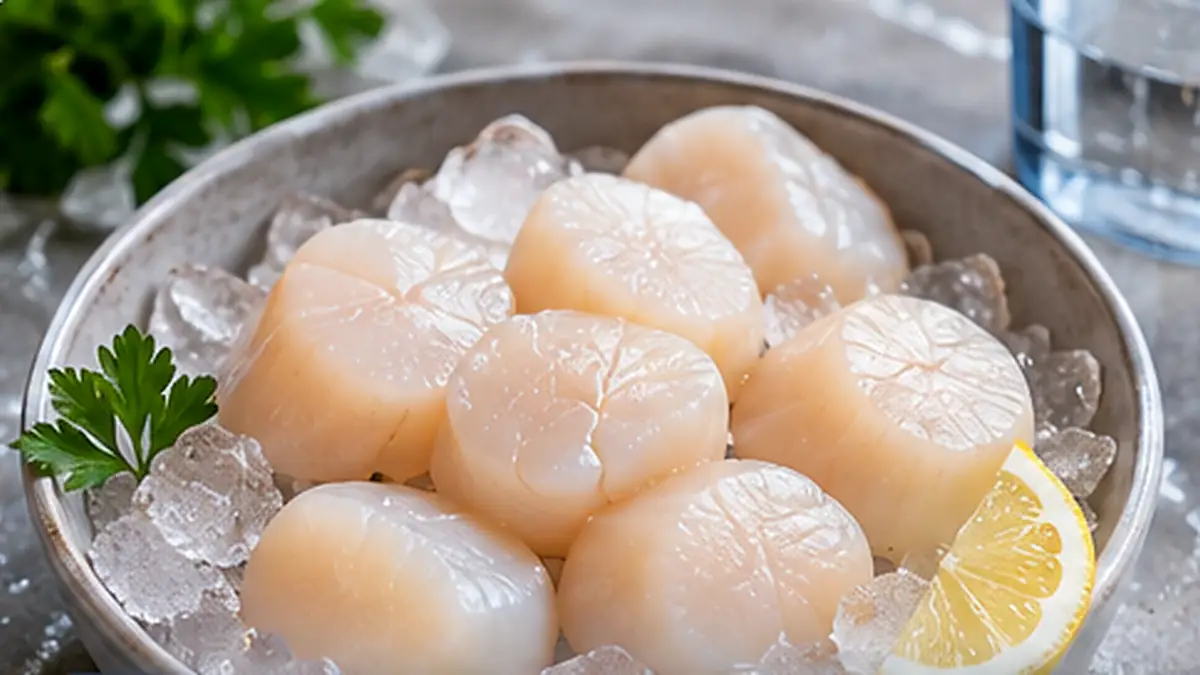
Learning how to store raw scallops safely matters because these shellfish are exceptionally perishable. Their delicate, sweet flesh can lose quality quickly if it sits warm, leaks onto other food or is held too long after purchase. Whether you have dry-packed sea scallops, small bay scallops or a sealed package of frozen scallops, the best approach is to keep them consistently cold, limit handling and cook them promptly. This guide distinguishes shucked scallop meat from live, shell-on scallops and explains how to store each safely.
Quick answer: what to do as soon as you get home
Move raw scallops into a refrigerator maintained at 40°F (4°C) or colder as soon as possible. For the simplest, most conservative home-kitchen plan, cook fresh shucked scallops within one to two days of purchase, or freeze them promptly if you cannot. This short planning window is based on general FDA and USDA advice for highly perishable raw seafood; exact commercial product dates and verified cold-chain handling may differ. Always follow a package’s earlier use-by date.
Place the package inside a leakproof tray or container on the lowest practical refrigerator shelf. Keep it away from fruit, salads and cooked foods. Check the refrigerator temperature with a thermometer, not just the dial setting. If you buy frozen scallops, transport them still frozen whenever possible and put them directly into a freezer set to 0°F (-18°C) or colder.
Live scallops in their shells are a different product from shucked scallop meat. Do not treat live shellfish as airtight-packed raw meat. Ask the seafood counter how to keep the particular species alive, and follow the supplier’s instructions. When provenance or handling is uncertain, avoid long-term storage.
How to choose scallops that are in good condition
At the market, ask whether the scallops are shucked, frozen, previously frozen or sold alive. The FDA describes good scallop flesh as clear or pearl-like, with little or no odor. Avoid packages that smell strongly fishy, sour or ammonia-like, and reject any showing leaking, visibly damaged packaging or signs of temperature abuse.
Packages labeled dry-packed generally have less added water than wet-packed products. That distinction affects searing and texture, but it is not by itself a guarantee of food safety or a reason to extend the refrigerated shelf life. Look for trustworthy cold storage and clear labeling first. For frozen products, avoid opened or torn packages and large ice crystals suggesting thawing and refreezing. A package that feels soft or has water pooling beneath it should prompt questions at the counter.
Choose scallops last while shopping, then take the shortest reasonable route home. An insulated bag with cold packs can help maintain temperature on a long trip. Do not stop at a warm location and leave seafood in the car. Good cooking starts with good handling before the kitchen.
Refrigerating fresh shucked scallops step by step
- Check the packaging and the purchase or use-by date before opening it. If it is visibly damaged, do not attempt to rescue questionable seafood.
- Keep unopened, correctly refrigerated packages sealed until you are ready to prepare them, unless the seller directs otherwise.
- If the package has been opened, move scallops to a clean, food-safe, covered container. Catch any drips in a second tray and place it on a lower shelf.
- Keep the refrigerator at or below 40°F (4°C). Do not store scallops in the door, where the temperature fluctuates.
- Plan to cook the scallops within one or two days, or freeze earlier if you need more time. Do not repeatedly open the container to inspect or handle the flesh.
Some published cold-storage charts list wider ranges for commercially handled shucked shellfish. Those ranges assume particular product conditions, and they do not justify keeping an unknown open retail package for a week. A conservative short window is easier to follow in a home kitchen when the entire cold chain is not documented.
Freezing scallops without losing too much texture
Freeze scallops while they are still fresh and cold, rather than waiting until the last day of an uncertain shelf life. Remove excess packaging air where appropriate, then use a freezer-safe, moisture-resistant bag or container. If using a bag, press out as much air as possible without crushing the scallops. Label it with the date, package identity and whether the product was previously frozen.
Keep the freezer at 0°F (-18°C) or below. Proper continuous freezing prevents bacterial growth but does not improve poor-quality seafood or reverse spoilage. Moisture loss and ice crystals affect texture over time, so the best result comes from using frozen scallops sooner rather than later. Avoid repeated thaw-and-refreeze cycles, which can produce a watery surface and disappointing searing.
If buying scallops specifically for a dinner a few weeks away, good-quality commercially frozen scallops can be a practical choice. They often reach the home freezer in better condition than fresh scallops held too long. Do not assume that a ‘fresh’ display label always means a better ingredient for your cooking date.
Thawing frozen scallops safely
For best texture and safety, thaw scallops in their covered container or sealed bag in the refrigerator overnight. Place the package inside a shallow dish to catch drips. If you need a quicker method, the FDA advises putting seafood in a sealed leakproof bag and immersing it in cold water, then cooking it promptly once thawed. Change the water or keep it sufficiently cold. Never thaw raw scallops on a warm countertop or in standing hot water.
Use the microwave defrost method only when you plan to cook immediately afterward, since some portions may warm during defrosting. Once thawed, blot the scallops dry with clean paper towels before searing. Extra water on the surface prevents browning, so this drying step matters for both appearance and taste.
If the package contains a substantial icy block, give it more refrigerator time rather than trying to chip apart the delicate meat. Patience protects the structure of a scallop that needs to hold together in a hot skillet. Our how to cook scallops guide covers the next steps after thawing.
Signs of spoilage and common misconceptions
Reject scallops with a strong sour, rotten, fishy or ammonia-like odor. Other warning signs include visibly slimy texture, discolored flesh or damaged packaging. These cues are not reliable proof that a product is safe; harmful bacteria can be present without a dramatic smell or visual change. When storage history is unknown or the product has been left warm, discard it instead of tasting it.
‘They smell fine, so they are safe.’ Smell alone cannot establish safety. ‘Freezing makes spoiled seafood good again.’ Freezing cannot reverse previous deterioration. ‘All raw scallops last ten days.’ Charts often distinguish live shellfish from shucked products and assume strict cold handling. ‘You should rinse scallops for storage.’ Washing adds moisture and can spread contamination around the sink; handle them minimally and dry only when preparing to cook.
Cross-contamination is equally important. Wash hands and utensils after touching raw seafood, sanitize the preparation surface, and keep raw scallops separate from food that will not be cooked. Use separate boards or wash them thoroughly between tasks.
Cooking, serving and keeping leftovers
For scallops, FoodSafety.gov describes cooked flesh as firm, pearly or white and opaque. Cook thoroughly and do not rely solely on a browned exterior to assess the center. A hot, uncrowded skillet helps a dry scallop sear quickly, but the interior still needs adequate cooking. If you enjoy a contrasting sauce, prepare it separately so it does not add water to the searing surface.
Serve cooked scallops promptly. Refrigerate leftovers in clean, shallow containers within two hours, or within one hour if the surrounding temperature is above 90°F (32°C). When reheating leftovers, use 165°F (74°C) as the food-safety target. For a complete cooked dish, see our garlic butter scallops pasta or the seared scallops with jalapeño vinaigrette recipe.
The simplest safe routine is consistent cold storage, short holding times, clean preparation and prompt cooking. The date and storage instructions on a specific retail package always deserve attention.
Frequently Asked Questions
How long can raw scallops stay in my refrigerator?
For a conservative home-kitchen plan, cook fresh shucked scallops within one or two days, or freeze them promptly. Follow any earlier package date.
Should raw scallops be stored on ice?
They must remain at 40°F (4°C) or below. A stable refrigerator and leakproof tray are usually easier to manage than melting ice that could pool around food.
Can I refreeze thawed scallops?
If thawed safely in the refrigerator and kept cold, refreezing may be possible but can reduce texture. Do not refreeze seafood thawed on the counter or held warm.
What do bad scallops smell like?
Strong sour, fishy or ammonia-like odors are warning signs. However, an absence of odor does not guarantee safety.
How do I safely thaw scallops in a hurry?
Place them in a sealed leakproof bag in cold water, keep the water cold, and cook promptly after thawing.
Sources and further reading
Food safety information is based on current official guidance; practical cooking tips are intended as home-kitchen guidance.