
Pan Seared Trout with Garlic Herb Butter and Lemon
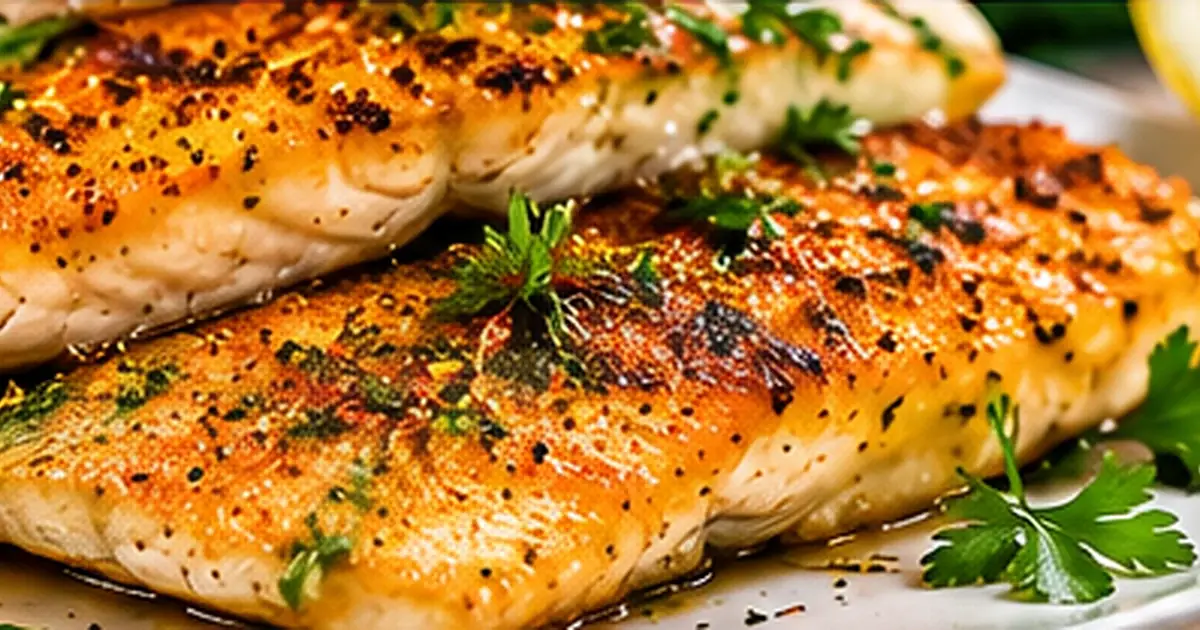
Table of Contents
Pan seared trout with garlic herb butter turns a mild, delicate fish into a dinner with lightly crisp skin and a bright aromatic finish. This technique uses skin-on trout fillets, a small amount of oil and a brief stovetop butter sauce made after the fish is nearly cooked. It is designed for quick serving rather than a long marinade.
Trout fillets can be thinner and more delicate than salmon. They need an even pan, dry skin and careful turning. The method below explains how to cook them without tearing the flesh, how to finish with lemon without losing skin texture, and how to select side dishes that suit the gentle flavor.
Why This Recipe Works
Trout has a gentle flavor and thin skin that responds well to direct skillet contact. A light oil layer and a hot-enough pan can brown the skin in a few minutes without needing flour or a heavy coating. The garlic, parsley, dill and lemon are added near the end so they remain fragrant rather than scorching.
Cooking mostly skin-side down helps the fish hold together while the lower flesh cooks. The short flesh-side finish is less disruptive than turning the fillet repeatedly. Plating with the skin facing up preserves the crispness that makes this method distinct from poaching or baking.
Choosing and Thawing the Fish
Look for fish with firm flesh, a mild clean aroma and intact skin. Ask for scaled fillets with pin bones removed if possible. Rainbow trout and similar fillets can vary in thickness, so choose pieces that can finish together rather than pairing very thin tail sections with unusually thick center cuts.
Thaw frozen trout slowly in the refrigerator or in a sealed cold-water bag and cook promptly. Dry both surfaces and take particular care with the skin. If bone tips remain, pull them carefully with clean tweezers. Keep prepared portions refrigerated while the serving sides are finished.
Ingredients and Substitutions
The sauce uses three tablespoons of butter for four portions, enough to give the trout a light glossy finish rather than a deep pool. Fresh garlic should be briefly warmed at low heat so it smells sweet and savory. Parsley adds brightness and dill complements the fish’s natural flavor.
Lemon zest is aromatic and can be mixed into the warm butter without too much acidity, while juice is better added off heat. Keep salt in the fillet seasoning and taste the sauce before adding more, since the cooking juices may contain enough seasoning already.
- 1 1/2 lb skin-on trout fillets: four similar-size portions, pin bones removed
- 1 1/2 tbsp neutral high-heat oil: divided
- 3/4 tsp kosher salt
- 1/4 tsp black pepper: freshly ground
- 3 tbsp unsalted butter: divided for finishing
- 3 garlic cloves: finely minced
- 1 tbsp fresh lemon juice: after heat is turned off
- 1 tsp lemon zest
- 2 tbsp fresh parsley: chopped
- 1 tbsp fresh dill: chopped
- lemon wedges: for serving
The Right Equipment and Heat
A heavy stainless-steel or cast-iron skillet offers good contact heat, but a well-heated nonstick pan can be easier for very fragile fillets. Choose a diameter that fits two pieces at a time without crowding. A wide, flexible fish spatula is especially important because trout flesh can break if lifted at only one corner.
Use a thermometer when fillets are thick enough to probe from the side. For thin pieces, watch for flesh that turns fully opaque and flakes. Keep a warm plate nearby so the cooked trout is not left sitting in sizzling fat while you make the garlic butter.
Prepping for Best Texture
Set out the ingredients before cooking: mince garlic, chop parsley and dill, zest the lemon and measure butter. Pat the trout dry last so the skin has less time to pick up moisture from the refrigerator or countertop. Season both sides lightly, but avoid clumps of wet herbs on the side that will contact the pan.
Start the vegetables or grain side first. Trout may cook in under ten minutes per batch, so serving plates should be almost ready before you add fish to the skillet. This simple order prevents a good crust from becoming soggy during long holding.
Cooking Time and Safe Doneness
Small skin-on trout fillets often take about 4–6 minutes skin-side down, followed by 1–3 minutes on the flesh side. The thickness, skillet material and starting temperature change those figures, and a larger batch adds time to the overall meal.
The safe fish target is 145°F (63°C) at the thickest center, or opaque flesh that flakes apart readily. If skin looks done while the center is still translucent, lower the heat for a gentler finish rather than allowing the skin to blacken. Remove individual pieces when finished.
For current food-safety guidance, refer to the FoodSafety.gov safe minimum temperature chart and the FDA seafood handling guide. These sources cover safe handling and the standard fish doneness target, which matters more than any fixed timing claim.
Troubleshooting Common Problems
Skin that sticks may have been damp or moved before browning. Preheat the pan, use enough oil and give it a little more time before lifting. If the flesh tears, slide a fish spatula beneath the full fillet and turn once instead of trying to grab a narrow edge with tongs.
Burned garlic usually means it was added to the pan at the high fish-searing temperature. Lower the heat or remove the pan from the burner before making the sauce. If butter separates or browns too quickly, whisk in a teaspoon of warm water off heat and serve without continuing to simmer.
What to Serve with Pan Seared Trout
Serve the trout with steamed asparagus, roasted baby potatoes, lentils, couscous or a cucumber salad. A lemony vegetable dressing works well, but put it on the vegetables rather than over the fish skin. Small lemon wedges allow each diner to adjust acidity.
A green salad tossed with Greek lemon vinaigrette is an easy side that reinforces the fresh herb flavor. For another trout technique, our grilled trout with lemon butter provides char and outdoor cooking flavor, while poached steelhead trout uses gentle moist heat and a softer texture.
Try this complementary Greek lemon vinaigrette for an easy complete meal; serve sauces separately where preserving a crisp fish surface matters.
For another fish cooking technique on SABSEA, compare grilled trout with lemon butter, while keeping this recipe focused on its own fish species and cooking method.
Flavor Variations and Dietary Swaps
For a warmer herb profile, replace dill with thyme and add a small pinch of sweet paprika to the flesh side. Chopped chives are a delicate alternative to parsley. If serving a group that likes heat, add a few chili flakes to individual portions after cooking rather than overwhelming the base sauce.
A dairy-free finish is easy: skip the butter and gently warm garlic in two tablespoons of olive oil, then stir in lemon and herbs off heat. Keep the fish method unchanged and cook to the same safe endpoint. Do not coat the skin in a thick marinade before searing.
Storage and Reheating
Cooked trout should be refrigerated promptly in shallow covered containers at 40°F (4°C) or below, generally using properly stored seafood within three to four days. Separate the garlic butter from crisp skin if storing leftovers so the coating does not become wet.
Reheat leftovers thoroughly to 165°F (74°C) using moderate heat. A little water or stock in a covered dish prevents harsh drying, though the skin is unlikely to remain freshly crisp. Flaked cold, safely refrigerated trout can also work in grain salads once the meal is assembled.
How This Method Differs from Other Recipes
Pan-seared trout emphasizes direct contact and a crisp skin surface. Grilled trout delivers smoky, charred notes, and poached steelhead trout remains very tender because the liquid keeps the flesh protected. Coconut trout curry builds a sauce-dominant dish rather than a browned fillet.
These are separate methods and search intents even though all use trout. Link them to help readers pick a cooking approach, but keep this article focused on the skillet process and a light butter finish to avoid overlapping more broadly with the existing trout collection.
Related reading: poached steelhead trout and trout curry with coconut milk show distinct recipe styles. These internal links are intended to guide readers among cooking methods, not to suggest that the pages are identical.
Make-Ahead and Serving Timeline
Measure and chop garlic and herbs before mealtime, and prepare vegetables or rice early. Keep raw fillets chilled, then blot dry and season near the time you heat the skillet. The garlic butter should be made shortly before serving because its fresh herb aroma fades when held hot.
Cook trout in small size-matched batches so every fillet gets proper pan contact. Have clean serving plates ready and avoid covering the finished pieces tightly while the next batch cooks; trapped steam makes the skin soft.
Step-by-Step Pan-Seared Trout with Garlic Herb Butter and Lemon
Use the following sequence with the measured ingredients above. The finish times assume properly thawed fillets of similar thickness; check each portion individually and observe food-safety guidance rather than relying exclusively on the clock.
- Dry the trout. Pat fish fillets completely dry and remove any remaining pin bones. Season with salt and pepper; keep the skin flat.
- Heat the skillet. Warm a wide heavy skillet over medium to medium-high and add half the oil. The oil should shimmer without heavy smoke.
- Sear skin-side down. Add two fillets skin-side down and press lightly for a few seconds to keep the skin flat. Cook about 4–6 minutes without moving, adjusting for thickness.
- Finish cooking. Turn gently and cook the flesh side another 1–3 minutes as needed until the thickest center reaches 145°F (63°C) or becomes opaque and flakes easily. Transfer to warm plates; repeat with remaining fish.
- Make herb butter. Turn heat to low. Melt butter in the pan, stir in minced garlic for 20–30 seconds until fragrant, then remove from heat. Stir in lemon juice, zest, parsley and dill.
- Serve. Spoon a little warm sauce around the trout instead of directly over the crispy skin. Serve immediately with vegetables or grains.
Pan-Seared Trout with Garlic Herb Butter and Lemon
Ingredients
- 1 1/2 lb skin-on trout fillets four similar-size portions, pin bones removed
- 1 1/2 tbsp neutral high-heat oil divided
- 3/4 tsp kosher salt
- 1/4 tsp black pepper freshly ground
- 3 tbsp unsalted butter divided for finishing
- 3 garlic cloves finely minced
- 1 tbsp fresh lemon juice after heat is turned off
- 1 tsp lemon zest
- 2 tbsp fresh parsley chopped
- 1 tbsp fresh dill chopped
- lemon wedges for serving
Instructions
- Pat fish fillets completely dry and remove any remaining pin bones. Season with salt and pepper; keep the skin flat.
- Warm a wide heavy skillet over medium to medium-high and add half the oil. The oil should shimmer without heavy smoke.
- Add two fillets skin-side down and press lightly for a few seconds to keep the skin flat. Cook about 4–6 minutes without moving, adjusting for thickness.
- Turn gently and cook the flesh side another 1–3 minutes as needed until the thickest center reaches 145°F (63°C) or becomes opaque and flakes easily. Transfer to warm plates; repeat with remaining fish.
- Turn heat to low. Melt butter in the pan, stir in minced garlic for 20–30 seconds until fragrant, then remove from heat. Stir in lemon juice, zest, parsley and dill.
- Spoon a little warm sauce around the trout instead of directly over the crispy skin. Serve immediately with vegetables or grains.
Notes
Frequently Asked Questions
Should trout be cooked skin-side down first?
Yes for this crisp-skin skillet method. Most cooking happens skin-side down to form a crust before a shorter finish on the flesh side.
How do I know pan-seared trout is fully cooked?
Check that the thickest center reaches 145°F (63°C), or that the flesh is opaque and flakes easily. Exact minutes depend on fillet thickness.
Can I use skinless trout?
Yes, but the crispy-skin result will differ. Sear a lightly oiled presentation side first, turn gently and use the same safe doneness guidance.
Why does my trout break when I flip it?
Trout is delicate. Let the contact side brown before lifting, use a broad fish spatula and avoid repeated turning.
Can garlic butter be made ahead?
You can chop the ingredients early, but for best flavor, make the garlic-herb butter right after searing so the herbs and lemon stay fresh.
More Seafood Recipes
Continue exploring seafood methods through grilled trout with lemon butter, poached steelhead trout, trout curry with coconut milk. The best next recipe depends on the fish you have and whether you prefer oven heat, an air fryer, or direct skillet contact.