
Classic Tuna Salad with Celery and Lemon
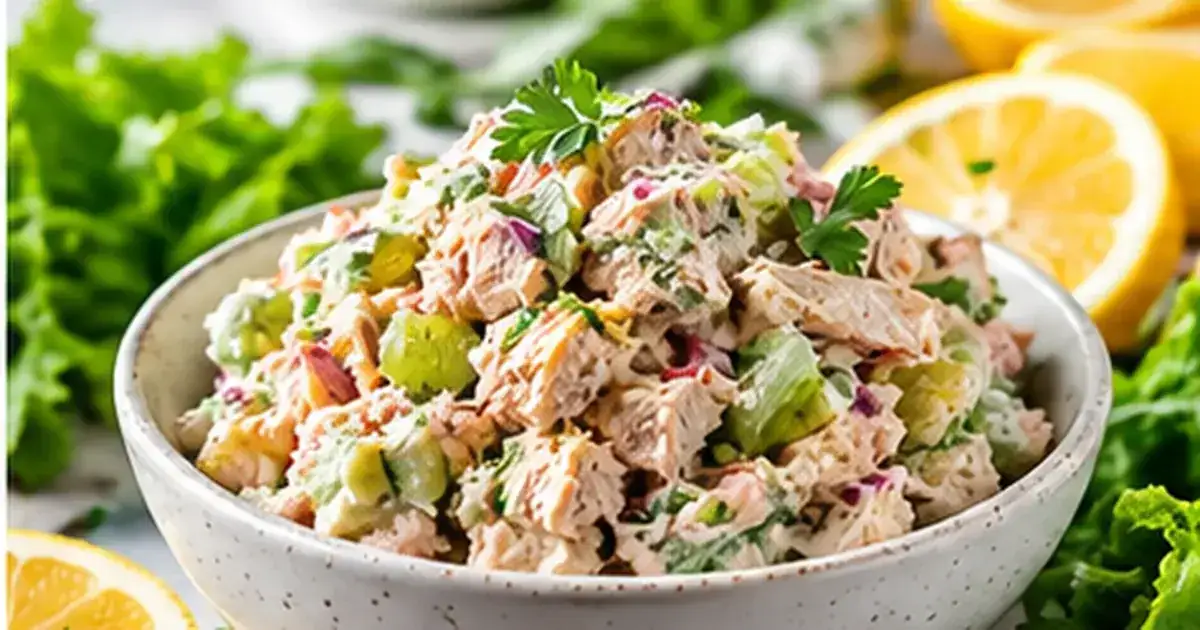
Table of Contents
This classic tuna salad is the kind of recipe that earns a permanent place in the lunch rotation: canned tuna, celery, red onion, parsley, lemon, mustard, and just enough mayonnaise to hold everything together.
The goal is balance. The tuna should stay the main flavor, the celery and onion should add crunch, and the dressing should feel creamy without turning the salad heavy.
Why This Classic Tuna Salad Works
A simple tuna salad works best when every ingredient has a job. Lemon brightens the canned tuna, mustard adds sharpness, celery gives texture, and fresh herbs keep the mixture tasting lively.
If you want something lighter and crunchier, try our tuna-cabbage salad. For a handheld lunch, our tuna lettuce wraps use canned tuna in a different format.
Choose Tuna for the Texture You Want
Chunk light tuna gives the salad a softer, more broken-up texture, while solid tuna tends to stay in larger flakes. Either works, but the important step is draining it thoroughly before mixing. A well-drained can lets you control the creaminess with mayonnaise instead of trying to correct a watery salad later.
If your tuna is packed in olive oil, drain it lightly and taste the salad before adding the full amount of mayonnaise. Water-packed tuna is usually leaner and benefits from the full dressing. In both cases, break the fish into flakes rather than mashing it into a paste.
Build Contrast With Crunch and Acidity
Celery and red onion do more than add flavor: they create the crisp contrast that keeps classic tuna salad from feeling flat. Dice them finely enough to distribute through every bite. Lemon juice and plain yellow mustard then cut through the creamy dressing and sharpen the tuna flavor.
Parsley keeps the mixture fresh, but dill or chives can work too. If raw onion tastes too strong, rinse the chopped onion briefly under cold water and dry it before adding it to the bowl. That softens the bite without removing the crunch.
Classic Tuna Salad Ingredients
- 2 cans tuna, 5 ounces each, drained well
- 1/3 cup mayonnaise
- 1 celery stalk, finely diced
- 2 tablespoons red onion, finely chopped
- 1 tablespoon chopped parsley
- 2 teaspoons fresh lemon juice
- 1 teaspoon plain yellow mustard
- 1/4 teaspoon black pepper
- Salt, to taste
Drain the tuna thoroughly before mixing. Too much liquid makes the salad loose and forces you to add more mayonnaise than you need.
How to Make Tuna Salad
1. Break up the tuna
Add the drained tuna to a medium bowl and break it into flakes with a fork. Do not mash it completely; some texture makes the finished salad better.
2. Add the crunchy ingredients
Add the celery, red onion, and parsley. Toss once so the vegetables are distributed before the dressing goes in.
3. Mix the dressing
Stir in the mayonnaise, lemon juice, plain yellow mustard, and black pepper. Fold gently until the tuna is evenly coated.
4. Taste and chill
Taste before adding salt, since canned tuna can vary in salinity. Serve immediately or refrigerate for 20 to 30 minutes for a colder, firmer salad.
How to Serve Tuna Salad
- Spoon onto toasted bread for a simple open-face sandwich.
- Serve over mixed greens with tomatoes and cucumber.
- Fill lettuce cups for a lighter lunch.
- Add to a rice bowl with avocado and crunchy vegetables.
- Serve with crackers, cucumber slices, or toasted pita wedges.
For a fuller bowl-style meal, our canned tuna rice bowl is a better choice than turning this salad into something it is not.
Easy Variations
- Greek yogurt version: replace half the mayonnaise with plain Greek yogurt.
- Herb-heavy version: add dill or chives with the parsley.
- Extra crunch: add finely chopped cucumber or radish.
- Spicy version: stir in a small amount of hot sauce or chili flakes.
- Avocado version: fold in diced avocado immediately before serving.
How to Get the Creaminess Right
Add the mayonnaise in stages if you prefer a firmer salad. Start with about three-quarters of the measured amount, fold it through the tuna, and add the rest only if needed. The finished mixture should hold together on a spoon but still show visible flakes of tuna and pieces of celery.
If the salad becomes too loose, avoid solving the problem with more tuna straight from the can. First check whether the tuna or vegetables released water. A few minutes in the refrigerator often firms the mixture, especially after the tuna absorbs some of the dressing.
Make It a Sandwich, Bowl, or Light Lunch
For sandwiches, use sturdy bread and add lettuce or sliced tomato just before serving. For a bowl, pair the tuna salad with rice, cucumber, avocado, and greens. For a lighter lunch, spoon it into crisp lettuce leaves or serve it over a chopped salad.
Classic tuna salad is also useful as a base recipe because the flavor is neutral enough to adapt. Add chopped cucumber for extra freshness, diced avocado just before serving for richness, or a small amount of chili sauce for heat. Keep the additions controlled so the tuna remains the main ingredient.
How to Drain Canned Tuna Without Mashing the Flakes
The best texture starts before the dressing goes in. Open the canned tuna, pour the packing liquid through a fine sieve, and gently press with the back of a clean spoon just enough to release excess moisture. Do not crush the fish into a paste. Water-packed tuna generally needs especially thorough draining if you want a salad that stays firm in a sandwich. Oil-packed tuna may bring more richness of its own; taste a small amount before deciding how much dressing to add.
The stated recipe uses two 5-ounce cans, but drained weights differ by brand and packing style. If your tuna seems unusually wet, dry it a little more rather than adding more mayonnaise or another thickener. Break the drained fish into medium flakes with a fork. Add the diced celery and onion only after their surfaces are dry so they provide crunch instead of watery pockets.
Get the Dressing Right for Sandwiches and Lettuce Cups
For soft sandwich bread, use a slightly firmer salad with a little less dressing so moisture does not soak through the bread. Place a dry lettuce leaf between the filling and bread, and pack sliced tomatoes separately if lunch will be eaten later. For a rice bowl or salad plate, the mixture can be a little creamier because there is no bread to soften. A squeeze of lemon added just before serving often tastes fresher than increasing the salt.
Mix the dressing separately, then fold it through the fish in two additions rather than adding everything at once. Taste and adjust once the vegetables are incorporated. If you want to use yogurt in place of some mayonnaise, choose plain unsweetened yogurt and begin with less than the listed amount because its water content varies. A very loose tuna salad is hard to fix by stirring; gentle mixing and proper draining matter more than vigorous beating.
Pack Canned Tuna Salad Safely for Lunch
Prepare tuna salad with clean utensils and refrigerate it promptly. A covered container on a lower refrigerator shelf helps keep it separate from raw ingredients. For lunch away from home, carry it in an insulated bag with a frozen ice pack and put it in the refrigerator when possible. Do not leave a tuna-and-mayonnaise mixture at room temperature through a warm morning. Perishable foods should normally be refrigerated within two hours, or within one hour when the temperature is above 90°F (32°C).
Keep the finished salad chilled and follow the recipe’s conservative three-day storage recommendation. Check cans before opening: discard bulging, leaking or badly damaged containers. Canned tuna varieties differ in mercury content; people who need specific fish-consumption guidance can consult the FDA’s advice about eating fish rather than assuming every tuna variety has the same recommendation. Keep these considerations separate from the basic recipe so the meal stays practical and the guidance remains accurate.
Storage Tips
Store tuna salad in a covered container in the refrigerator and use within 3 days. Keep it chilled until serving, especially if you are packing it for lunch.
Classic Tuna Salad with Celery and Lemon
Ingredients
- 2 5-oz cans tuna drained well
- 1/3 cup mayonnaise
- 1 celery stalk finely diced
- 2 tbsp red onion finely chopped
- 1 tbsp parsley chopped
- 2 tsp fresh lemon juice
- 1 tsp plain yellow mustard
- 1/4 tsp black pepper
- salt to taste
Instructions
- Add the drained tuna to a medium bowl and break it into flakes with a fork.
- Add the celery, red onion, and parsley and toss gently.
- Fold in the mayonnaise, lemon juice, Dijon mustard, and black pepper until evenly combined.
- Taste before adding salt. Serve immediately or chill for 20 to 30 minutes.
Notes
Frequently Asked Questions
What type of tuna works best for tuna salad?
Both oil-packed and water-packed tuna can work. Drain it well and choose the style you already enjoy eating.
Can I make tuna salad without mayonnaise?
Yes. Plain Greek yogurt, mashed avocado, or a combination of yogurt and a little olive oil can create a creamy texture.
Why is my tuna salad watery?
The tuna may not have been drained enough, or watery vegetables were added without drying them first.
Can I make tuna salad the night before?
Yes. Refrigerate it in a covered container and stir before serving.
What goes well with classic tuna salad?
Toast, greens, lettuce cups, rice, avocado, cucumber, and tomatoes all work well.