
Oven-Baked Fish Cooking Time by Thickness: Practical Chart
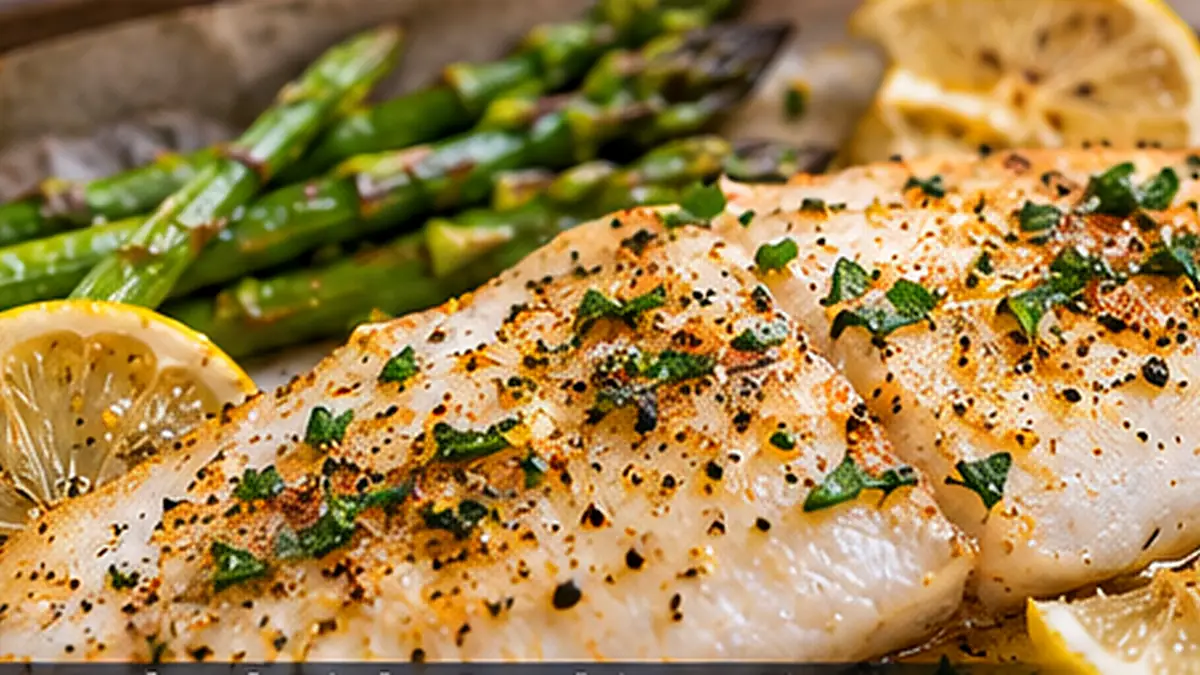
How long should you bake fish? This oven baked fish cooking time by thickness guide starts with the depth of the fillet, not just its weight. A thin piece of flounder may cook in only a few minutes, while a thick cod loin takes considerably longer. This practical guide provides early-check timing ranges for thawed fish in a preheated oven, explains why those ranges vary and shows how to confirm safe doneness without drying dinner out. The time chart is a guide for planning, never a substitute for a temperature check.
Why thickness matters more than the clock
Two pieces of fish can weigh the same yet cook at very different speeds. A broad 6-ounce fillet that is only 1/2 inch thick has a short distance for heat to travel, while a compact 6-ounce piece that is 1 1/2 inches thick has a much slower-cooking center. Oven temperature, starting temperature, the baking dish and whether the fish is covered all change the result as well. That is why any time chart should be treated as a starting point for checking, never as a promise that a specific fish is safe.
Most home recipes give a single time such as 12 or 15 minutes. That number can be useful for a particular cut and oven, but it breaks down when the portion is thicker, partially frozen, wrapped in parchment or surrounded by cold vegetables. A reliable approach measures the thickest part of the fish, chooses a suitable oven setting, checks slightly early and uses an instant-read thermometer to confirm a safe finish.
Whether you cook cod, haddock, hake, halibut, trout, pollock or mahi mahi, the underlying logic is the same. The suggestions below are for thawed fish and a preheated conventional oven, unless otherwise stated.
How to measure fish thickness correctly
Lay the thawed fish flat on a clean board and look for the thickest part, usually near the center or shoulder end rather than the tapering tail. Use a clean ruler or compare the height with a familiar utensil; thickness should be measured vertically through the flesh. If the skin remains attached, measure the flesh including skin for a practical estimate. For a cut with bones, measure the thickest edible portion rather than the total height of the bone structure.
For a fillet with very uneven thickness, tuck the thin tail section underneath itself or cut the portion into two pieces. This reduces the difference in cooking speed between ends. Do not compress the fish tightly to make it look thinner. With a whole fish, the thickest muscle near the backbone is the most important area to check.
A thermometer should be placed through the side of a thick fillet so the sensor tip reaches the center. On a thin fillet, a probe may pass straight through and touch the pan. In that case, angle it carefully along the fish or use the FDA’s visible doneness guidance when a reliable thermometer reading is not possible.
Approximate oven check windows by thickness
The following chart provides first-check windows for thawed, individual white-fish fillets baked uncovered at 400°F (205°C) in a fully preheated oven. They are planning estimates, not validated safety guarantees. The time needed can differ substantially with fish species, pan material, oven calibration and the actual temperature of the food before cooking.
| Thickest part of fillet | Begin checking at about | What to watch |
|---|---|---|
| 1/2 inch (1.3 cm) | 6 to 8 minutes | Very thin edges may cook first |
| 3/4 inch (1.9 cm) | 8 to 11 minutes | Check center before it dries |
| 1 inch (2.5 cm) | 10 to 14 minutes | Probe the thickest center area |
| 1 1/2 inches (3.8 cm) | 15 to 20 minutes | Expect a longer center warm-up |
At each check, look for a safe center rather than removing the fish merely because the chart’s time has passed. For finfish, the FDA recommends 145°F (63°C) or flesh that is opaque and separates easily with a fork. A portion that is still below the safe endpoint should return to the oven and be checked again after a short interval.
The table intentionally gives a range for beginning checks, not a fixed ‘done time.’ Use it to reduce overcooking without sacrificing safety.
Which oven temperature works best?
375°F (190°C) provides a gentler approach for thick cuts or fish baked with moist ingredients. It may take longer, but the fish has more time to cook through without darkening the surface quickly. 400°F (205°C) is a convenient middle ground for many fillets. It heats the surface reasonably quickly while allowing a center-temperature check before the fish becomes dry. 425°F (220°C) is useful when you want a more roasted exterior or are cooking fish with vegetables that benefit from higher heat, but thin pieces may dry out rapidly.
These temperatures are preferences for texture and timing, not different food-safety standards. Finfish still needs the same safe endpoint. Convection ovens circulate hot air and can cook faster than conventional settings; reduce time expectations and check earlier. A shallow, preheated metal sheet transfers heat differently than a thick ceramic dish brought directly from the refrigerator. Avoid relying on a recipe clock when changing cookware.
If you are using a thick topping of breadcrumbs or a sauce, the surface may look browned before the center is cooked. In those recipes, check the fish beneath the topping instead of judging by color alone.
A repeatable method for baking fish fillets
- Thaw the fish safely in the refrigerator if frozen. Preheat the oven fully before preparing the baking pan.
- Pat the fillet dry with clean paper towels. Remove any remaining pin bones and trim ragged pieces, if necessary.
- Measure the thickest point and note it before cooking. Fold a thin tail underneath when appropriate to keep the thickness more uniform.
- Lightly oil or line a shallow tray with parchment and space the portions apart. Add olive oil, lemon zest, herbs and moderate seasoning.
- Bake uncovered and begin checking according to thickness, reducing the expected window for convection or particularly thin portions.
- Insert an instant-read thermometer into the center of the thickest part and cook finfish to 145°F (63°C) where a reliable reading is possible. Alternatively, follow FDA guidance for opaque flesh that separates easily with a fork.
- Transfer promptly to clean plates with a broad spatula. Finish with lemon juice or herbs after baking rather than soaking the fish beforehand.
For a complete dish with its own specified timing, try our baked mahi mahi with lemon and garlic or oven-baked cod with garlic and olive oil. Their instructions refer to particular ingredients and cuts, unlike this general thickness guide.
Five factors that make oven times vary
1. Starting temperature: fish that is fully thawed but very cold may need longer than fish that has warmed slightly during preparation. Do not intentionally leave raw seafood at room temperature to speed cooking. 2. Species and fat: delicate lean white fish and firmer oily fish respond differently to high heat. Texture changes at different rates even when the required safe temperature is the same.
3. The baking dish: a thin metal tray responds rapidly to oven heat; glass or ceramic takes longer to transfer heat. 4. Additional ingredients: sliced tomatoes, potatoes, onions or a heavy sauce can cool the pan and alter moisture around the fish. When vegetables need more time, partially roast them before adding the fish.
5. Shape: a thick center with a skinny tail is harder to cook evenly than a uniform fillet. Fold or separate the tail rather than forcing one timing to suit every part. Small pieces also cook much more quickly than a whole fish of similar total weight.
These variables explain why baking is both simple and easy to overthink. Temperature verification is the practical solution: it makes the recipe adaptable without relying on a minute-by-minute formula.
How to tell when baked fish is safely cooked
The most dependable kitchen tool for checking finfish is an instant-read thermometer. Place the tip in the thickest accessible section without touching the tray or a bone. The FDA’s safe internal temperature for finfish is 145°F (63°C). When the fish is too thin to measure accurately, official guidance also describes cooked fish as opaque and able to separate easily with a fork.
Color alone can mislead. Some species remain slightly translucent-looking even as they approach doneness, while a surface coated in paprika can look deeply colored long before the interior is ready. A piece that flakes at one thin corner might still be undercooked at the center. Check the right location, and always use clean utensils for cooked food.
If the surface is browning too quickly but the middle is still below the target, reduce the oven temperature or cover loosely with foil and continue cooking. If the fillet has already passed its ideal texture, add a light sauce or serve with vegetables; never try to lower a cooked fish’s temperature to make it less done.
Troubleshooting dry edges and undercooked centers
Dry edges and moist middle: fold the tail under next time, select a more uniform cut, or separate thick and thin sections. Fish sticks to the tray: use parchment or a thin layer of oil and lift with a broad spatula. Watery pan juices: pat the fish dry, avoid overcrowding and use a shallow pan that allows excess moisture to evaporate.
Topping browns too soon: turn the oven down slightly and shield the surface. Vegetables are still firm: start them earlier and add the fish only for the final portion of cooking. The outside looks perfect but the thermometer reads low: return the fish to the oven until the center reaches a safe endpoint. Never assume appearance alone always reflects the thickest part’s temperature.
For breadcrumb-coated fish, see our baked haddock with garlic-herb breadcrumbs. For a thicker coating, our crispy oven-baked catfish provides a separate recipe. Those examples illustrate why toppings and thickness must be considered together.
Serving fish safely and reheating leftovers
Serve baked fish immediately with lemon wedges and a light salad, rice, roasted vegetables or potatoes. Once cooked, transfer leftovers into shallow covered containers and refrigerate within two hours, or one hour when ambient temperatures exceed 90°F (32°C). Cooked seafood generally keeps for three to four days refrigerated, provided it was handled properly. Reheat leftovers thoroughly to 165°F (74°C). Some fillets will flake apart after reheating, so keep portions in a shallow dish and warm them gently until the center is safe.
For make-ahead meals, it is often better to prepare the vegetable side in advance and bake the fish close to serving time. That preserves the delicate texture and avoids repeated reheating. The key lesson is simple: a thickness chart tells you when to start checking, while the fish’s safe internal condition tells you when to stop cooking.
Frequently Asked Questions
How many minutes should fish bake per inch of thickness?
No single minute rule reliably fits every fish, oven and pan. At 400°F, begin checking a thawed 1-inch fillet around 10 to 14 minutes, then verify safe doneness.
Is 400°F too hot for white fish?
No. 400°F (205°C) is a practical oven temperature for many fillets, but thin pieces should be checked early and thick pieces need a center-temperature check.
Should I cover fish with foil when baking?
Covering can retain moisture and slow browning. Use it when the surface darkens too quickly, but verify doneness at the center.
Can I bake fish straight from frozen?
Some recipes are designed for frozen fish, but the timings in this guide are for thawed fillets. Frozen pieces need a separate method and longer, variable cooking.
What is the safe internal temperature for baked fish?
For finfish, FDA guidance recommends 145°F (63°C), or opaque flesh that separates easily with a fork when a reliable reading cannot be obtained.