
Crispy Oven-Baked Catfish with Cornmeal and Spices

Table of Contents
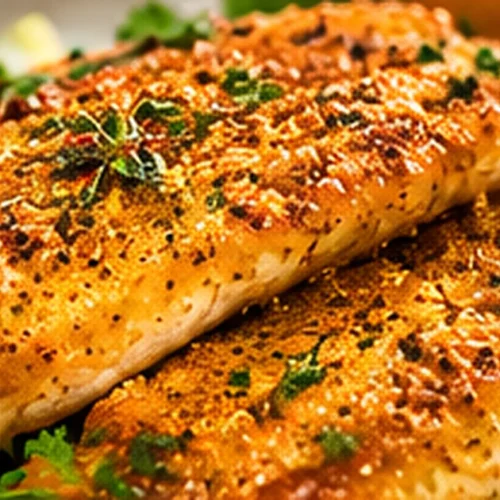
Baked catfish with a crispy cornmeal coating delivers the familiar texture of Southern-style fish without using a pot of deep frying oil. A thin coating of fine cornmeal, paprika and herbs turns golden in a hot oven, while a light brush of oil encourages even browning. The result is sturdy enough for dinner plates or sandwiches and simple enough for a weeknight.
Good results start by drying the fillets and using a rack or well-oiled baking sheet. A thick, wet coating will soften rather than crisp, so this recipe keeps the breading light and uses a brief oven finish to reach the safe center temperature. Here is how to make a crunchy catfish dinner with measurable ingredients rather than guesswork.
Why This Recipe Works
A fine cornmeal coating creates a pleasantly textured shell without the long immersion in oil required for deep frying. In a 425°F oven, a thin layer of surface oil helps the grain edges toast as the fish cooks through. The method works especially well for catfish, whose firm flesh can support the coating without crumbling during handling.
The goal is a crisp golden crust, not a thick biscuit-like casing. A hot oven and a drying rack reduce wet spots on the underside. Serve the fish immediately after cooking, because trapped steam from a covered plate or deep container will soften cornmeal much faster than it softens a plain baked fillet.
Choosing and Thawing the Fish
Choose fresh or properly frozen catfish fillets with firm flesh and a mild clean scent. Farm-raised catfish is often mild, with little earthy taste when handled well. If a package has off odors, excessive ice crystals or leaking liquid, choose another product and follow safe cold-chain handling.
Thaw frozen fillets in the refrigerator, never on a warm counter. Trim away loose flaps that would dry out too quickly, and cut exceptionally large pieces into consistent portions. Use clean towels to remove surface moisture before the egg layer; wet fish can make the cornmeal turn into paste.
Ingredients and Substitutions
Fine cornmeal produces a neater crust than very coarse polenta, while a little flour helps cover the uneven contours of catfish. The egg provides a light adhesive layer; drain it well rather than letting pools collect under the fish. Paprika, oregano and garlic powder supply a savory profile without making the dish overwhelmingly spicy.
Cayenne is optional, and lemon wedges go on the table instead of onto uncooked coated fish. Lemon juice added early can hydrate the crust and cause patchy soft spots. Use an oil with a suitable smoke point and apply only enough to moisten the outer crumbs.
- 1 1/2 lb skinless catfish fillets: four similar-size portions
- 1/2 cup fine yellow cornmeal: not coarse polenta
- 1/4 cup all-purpose flour: for a thin, even coating
- 1 tsp sweet paprika
- 3/4 tsp garlic powder
- 1/2 tsp onion powder
- 1/2 tsp dried oregano
- 1/2 tsp kosher salt
- 1/4 tsp black pepper
- 1/8 tsp cayenne pepper: optional
- 1 large egg: lightly beaten
- 2 tbsp neutral cooking oil: brush or spray a thin layer
- 1 lemon: wedges, for serving
- 2 tbsp chopped parsley: optional
The Right Equipment and Heat
A rimmed baking sheet catches loose crumbs and oil. An oven-safe rack lifts the fillets so hot air can reach more of the bottom surface; lightly oil the rack first so the crust releases easily. If you do not have a rack, use an oiled sheet and turn the fish carefully once during baking.
A broad fish spatula prevents the coating from cracking during transfers. A small instant-read thermometer gives a more reliable doneness check than the color of paprika-stained crumbs. Oven thermostats are not always exact, so begin checking early if your fish is thin or your oven runs hot.
Prepping for Best Texture
Start with three stations: a plate of dry fillets, a bowl of lightly beaten egg, and a shallow dish of seasoned cornmeal. Arrange the clean rack and pan before coating, since wet breading can become sticky if the fish rests too long on a plate.
Dip each fillet in egg, let the excess run off, then press into the dry mixture just once per side. Shake off thick deposits that may remain powdery after baking. Finish all portions in a single layer; pieces should not overlap or touch heavily.
Cooking Time and Safe Doneness
At 425°F, similar-sized catfish fillets commonly need about 15–20 minutes, but the actual time depends on thickness and whether you use a rack. If pieces are unusually thick, extra minutes may be necessary. If they are thin and narrow, start checking before 15 minutes.
Fish is safely cooked when the thickest center reaches 145°F (63°C) or the flesh is opaque and separates easily. A browned breadcrumb coating is only evidence of surface heat, not of a finished center. Probe from the side of the fillet to avoid contacting the hot metal rack.
For current food-safety guidance, refer to the FoodSafety.gov safe minimum temperature chart and the FDA seafood handling guide. These sources cover safe handling and the standard fish doneness target, which matters more than any fixed timing claim.
Troubleshooting Common Problems
If the crust is pale and dusty, it may not have received enough surface oil. Brush it lightly rather than soaking. If the bottom is soft, the pan may be crowded or steam collected underneath; a wire rack helps and an uncovered brief rest prevents sogginess.
If the coating falls off, the fish might have been wet or handled roughly during turning. Dry before breading, allow excess egg to drip off and use a large spatula. If the coating tastes bitter, excessive cayenne or deeply scorched paprika may be responsible; shorten the final oven time and rely on doneness checks.
What to Serve with Baked Catfish
Crispy baked catfish works with cabbage slaw, roasted sweet potatoes, sautéed greens, corn salad or steamed rice. Fresh lemon cuts through the cornmeal richness. For a simple sandwich, tuck a portion into a warm roll with lettuce and a plain yogurt-herb dressing, keeping wet toppings away from the crust until serving.
A quinoa salad makes a balanced side with vegetables and mild acidity. Serve the fish alongside the salad rather than placing it directly over a pool of dressing. If you want a different pan-crisped fish without cornmeal, compare our existing crispy pan-seared fish technique.
Try this complementary healthy quinoa salad for an easy complete meal; serve sauces separately where preserving a crisp fish surface matters.
For another fish cooking technique on SABSEA, compare crispy pan-seared fish, while keeping this recipe focused on its own fish species and cooking method.
Flavor Variations and Dietary Swaps
For a stronger herbal note, add dried thyme to the coating or exchange oregano for dried dill. Smoked paprika adds a rounded smoky flavor, and a small amount of ground cumin creates a different seasoning direction. Keep the cornmeal-to-flour proportions similar so the baked crust stays manageable.
For a dairy-free meal, the base fish coating already has no dairy; check serving sauces separately. To make the crust gluten-free, use a verified gluten-free flour blend in place of regular flour and check that the cornmeal and spices are also labeled appropriately. Gluten-free blends may brown differently.
Storage and Reheating
Cool leftover catfish promptly and refrigerate in a shallow sealed container at 40°F (4°C) or below. For best texture use within a day or two, though properly stored cooked seafood is typically used within three to four days. Do not leave breaded fish sitting in a warm oven for hours.
For reheating, spread the fish on a rack or basket and warm thoroughly to 165°F (74°C), using moderate heat to avoid drying the center. A microwave will warm leftovers but softens the coating. Store wet salad or sauce separately to give the crust a better chance of remaining crisp.
How This Method Differs from Other Recipes
Oven-baked catfish has a drier, lighter coating than traditional deep-fried catfish, and it does not form the same thick crunchy shell as a flour-heavy batter. Pan-seared fish without coating highlights the flesh and a browned exterior instead. Choose this oven method when you prefer a hands-off dinner and an even cornmeal crunch.
The existing fish-fingers guide is useful for smaller strips, while the Jamaican escovitch fish recipe uses a sharply flavored vegetable topping. Neither duplicates the full catfish fillet with a cornmeal oven coating presented here.
Related reading: homemade fish fingers and Jamaican escovitch fish show distinct recipe styles. These internal links are intended to guide readers among cooking methods, not to suggest that the pages are identical.
Make-Ahead and Serving Timeline
Mix the dry cornmeal seasoning up to several days in advance and store it airtight. Arrange sides and lemon wedges before coating raw fish, since the oven finish is quick once the fillets are ready. Keep raw fillets refrigerated until the last practical moment.
For guests, arrange an empty-rack cooling spot where cooked fish can stand uncovered for a minute. Avoid stacking hot pieces; trapped steam softens breading. If more fillets are needed than the pan can hold, bake in separate batches while keeping food-safety holding times in mind.
Step-by-Step Crispy Oven-Baked Catfish with Cornmeal and Spices
Use the following sequence with the measured ingredients above. The finish times assume properly thawed fillets of similar thickness; check each portion individually and observe food-safety guidance rather than relying exclusively on the clock.
- Prepare the oven. Preheat the oven to 425°F (218°C). Place an oven-safe wire rack over a rimmed baking sheet, or lightly oil the sheet if no rack is available.
- Prepare the fish. Pat catfish fillets completely dry; cut very large pieces into equal portions and check for bones.
- Mix breading. Combine fine cornmeal, flour, paprika, garlic and onion powder, oregano, salt, pepper and optional cayenne in a shallow dish. Beat the egg in a separate shallow bowl.
- Coat lightly. Dip fish into beaten egg, let excess drip off and press both sides into the seasoned cornmeal. Shake off heavy clumps and place on the rack or sheet.
- Bake. Brush or lightly mist the coated fish with oil and bake roughly 15–20 minutes, turning carefully if baking directly on the sheet. Check until the coating is golden and fish reaches 145°F (63°C) at its thickest point.
- Serve. Rest just a minute on a rack so steam can escape. Add lemon wedges and parsley and serve promptly with vegetables, rice or slaw.
Crispy Oven-Baked Catfish with Cornmeal and Spices
Ingredients
- 1 1/2 lb skinless catfish fillets four similar-size portions
- 1/2 cup fine yellow cornmeal not coarse polenta
- 1/4 cup all-purpose flour for a thin, even coating
- 1 tsp sweet paprika
- 3/4 tsp garlic powder
- 1/2 tsp onion powder
- 1/2 tsp dried oregano
- 1/2 tsp kosher salt
- 1/4 tsp black pepper
- 1/8 tsp cayenne pepper optional
- 1 large egg lightly beaten
- 2 tbsp neutral cooking oil brush or spray a thin layer
- 1 lemon wedges, for serving
- 2 tbsp chopped parsley optional
Instructions
- Preheat the oven to 425°F (218°C). Place an oven-safe wire rack over a rimmed baking sheet, or lightly oil the sheet if no rack is available.
- Pat catfish fillets completely dry; cut very large pieces into equal portions and check for bones.
- Combine fine cornmeal, flour, paprika, garlic and onion powder, oregano, salt, pepper and optional cayenne in a shallow dish. Beat the egg in a separate shallow bowl.
- Dip fish into beaten egg, let excess drip off and press both sides into the seasoned cornmeal. Shake off heavy clumps and place on the rack or sheet.
- Brush or lightly mist the coated fish with oil and bake roughly 15–20 minutes, turning carefully if baking directly on the sheet. Check until the coating is golden and fish reaches 145°F (63°C) at its thickest point.
- Rest just a minute on a rack so steam can escape. Add lemon wedges and parsley and serve promptly with vegetables, rice or slaw.
Notes
Frequently Asked Questions
Can I bake catfish without frying it?
Yes. A thin seasoned cornmeal coating with a light oil layer crisps in a hot 425°F oven. The texture is different from deep-fried fish but can be pleasantly crunchy.
Do I need to flip baked catfish?
A wire rack helps both sides brown without flipping. If using a flat oiled baking sheet, turn carefully partway through to reduce soggy patches.
What is the safest temperature for catfish?
The safe fish target is 145°F (63°C) in the thickest part, or fully opaque flesh that flakes readily with a fork.
Can I use coarse cornmeal?
Fine cornmeal gives the most even crust. Very coarse grits or polenta can feel gritty and may not toast evenly in the relatively short baking period.
How do I reheat crispy catfish?
Reheat thoroughly to 165°F (74°C) on a rack in a moderate oven or air fryer. Microwaving is faster but usually softens the crust.
More Seafood Recipes
Continue exploring seafood methods through crispy pan-seared fish, homemade fish fingers, Jamaican escovitch fish. The best next recipe depends on the fish you have and whether you prefer oven heat, an air fryer, or direct skillet contact.