
Baked Haddock with Crispy Garlic Herb Breadcrumbs
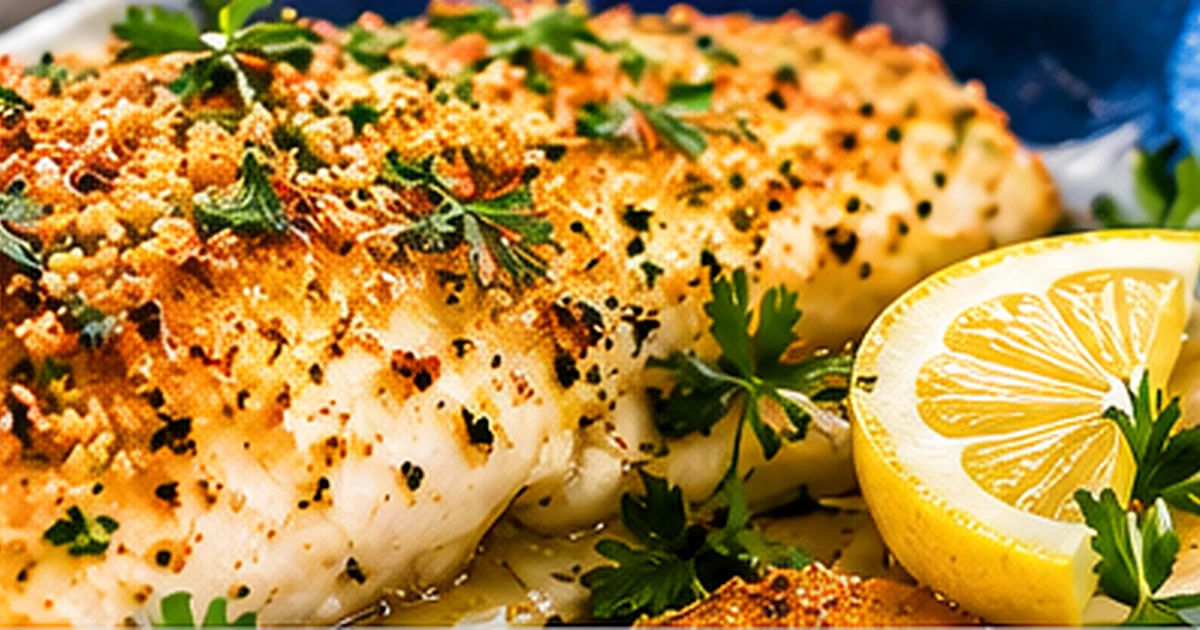
Table of Contents
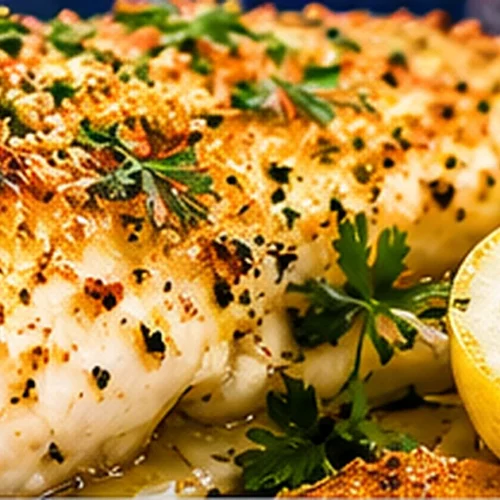
Baked haddock with crispy garlic herb breadcrumbs is a simple oven dinner with a tender white-fish center and a golden, savory topping. This recipe uses fresh haddock fillets, panko, parsley, garlic, lemon zest and a controlled amount of oil so the breadcrumbs toast without turning the fish dry.
Haddock is a lean, delicate fish, so the topping should be light rather than a heavy casserole-style crust. The oven timing is determined by fillet thickness; check the center rather than waiting for dark breadcrumbs. The steps below cover shopping, preparing, baking, serving and storing the dish, along with fixes for common problems.
Why This Recipe Works
Haddock has delicate flakes and a clean flavor, making it a useful canvas for garlic, parsley and lemon. A panko crumb topping introduces contrast without covering the fish in a heavy sauce. At 400°F, the oven gives the crumbs enough heat to toast while the lean center reaches the proper safe endpoint.
Unlike a casserole, this dish leaves the individual fish portions intact. The breadcrumbs are spread thinly to avoid an uncooked, doughy layer, and the lemon juice is added at serving so the surface stays crisp. A broad spatula protects the tender haddock when transferring it from the pan.
Choosing and Thawing the Fish
Choose haddock with firm flesh, a mild clean aroma and little surface discoloration. Fillets vary from thick shoulder pieces to narrow tail sections, so ask for portions that are close in thickness. Fresh and properly frozen haddock both work; avoid packages with freezer damage or unpleasant odors.
Thaw in the refrigerator or a sealed bag in cold water and cook promptly. Pat the fish thoroughly dry to improve breadcrumb adhesion and reduce moisture in the dish. Look for pin bones and trim very thin flaps if they would burn before the center finishes.
Ingredients and Substitutions
Panko is a good choice because its larger dry flakes create light crunch with relatively little oil. A small amount of melted butter adds richness, but olive oil alone works well too. Minced garlic and parsley are mixed into the crumbs rather than added as thick patches on the fish.
Lemon zest gives fragrance in the oven, while the measured lemon juice stays off the topping until service. Dried thyme is convenient and stable during baking. Use paprika sparingly for color; too much powder can make the crumbs bitter before the fish cooks.
- 1 1/2 lb boneless haddock fillets: four portions of similar thickness
- 3/4 cup panko breadcrumbs: or dry coarse breadcrumbs
- 2 tbsp olive oil: for topping
- 1 tbsp unsalted butter: melted, optional
- 3 garlic cloves: finely minced
- 1 tsp lemon zest: finely grated
- 2 tbsp fresh parsley: finely chopped
- 1/2 tsp dried thyme
- 1/2 tsp sweet paprika
- 1/2 tsp kosher salt
- 1/4 tsp black pepper: freshly ground
- 1 tbsp fresh lemon juice: after baking
- lemon wedges: for serving
The Right Equipment and Heat
A shallow baking dish or rimmed metal sheet allows moisture to evaporate more quickly than a deep casserole dish. Arrange fillets in a single layer and keep the topping away from thick pools of liquid at the edge. A metal sheet can brown crumbs more quickly, so check the topping earlier.
Use a small bowl to mix the topping, a flexible fish spatula for transfer, and an instant-read thermometer for the center. A broiler can deepen the golden color for a few seconds when watched closely, but it should never be used to mask an uncooked interior.
Prepping for Best Texture
Preheat the oven fully before touching raw fish. Stir the panko, oil, butter if using, garlic, zest, parsley and dried seasoning until no visibly dry patches remain. There should be no liquid puddle in the bowl, just an even, slightly moist crumb mixture.
Lay dry haddock portions flat in a prepared dish and press a restrained layer of crumbs on top. Avoid packing it tightly, since the surface needs heat and air to become crisp. Cut the lemon before baking, and set serving dishes out so the fish can go straight to the table.
Cooking Time and Safe Doneness
Medium-thick haddock at 400°F usually needs approximately 12–18 minutes, but thinner fillets may finish earlier and thicker ones may take longer. Check the thickest center toward the early part of the range, and judge the topping color separately.
The safe fish target is 145°F (63°C) or opaque flesh that flakes easily. A dark topping does not prove the fish is cooked. If the crust browns too quickly before the center is done, lower oven heat slightly or cover loosely near the end instead of leaving the breadcrumbs directly under high heat.
For current food-safety guidance, refer to the FoodSafety.gov safe minimum temperature chart and the FDA seafood handling guide. These sources cover safe handling and the standard fish doneness target, which matters more than any fixed timing claim.
Troubleshooting Common Problems
Soggy breadcrumbs generally mean the fish was wet, the pan was crowded or too much butter pooled at the bottom. Dry the fillets, use a shallow dish and distribute fat evenly through the crumbs. If the topping slides off, it may have been piled too thickly on a smooth wet surface.
Dry haddock usually means the thin fish spent too long in the oven. Next time sort fillets by size or remove small pieces earlier. If garlic tastes bitter, the topping may have been placed too close to the broiler; reduce direct exposure and rely on the middle rack for most cooking.
What to Serve with Baked Haddock
Serve baked haddock with steamed green beans, roasted carrots, fluffy rice or a crisp cucumber salad. A squeeze of lemon wakes up the herbs without requiring a heavy sauce. If serving with mashed potatoes, put sauce on the potatoes rather than soaking the breadcrumb topping.
A Greek salad with lemon dressing offers an easy cold side with acidity and crunch. For other haddock methods, our coconut-and-coriander haddock curry has a saucy profile, and Cullen skink features smoked haddock in soup; those pages are distinct from this oven-crusted fillet.
Try this complementary Greek salad with lemon dressing for an easy complete meal; serve sauces separately where preserving a crisp fish surface matters.
For another fish cooking technique on SABSEA, compare haddock curry with coconut and coriander, while keeping this recipe focused on its own fish species and cooking method.
Flavor Variations and Dietary Swaps
For a sharper note, stir a teaspoon of Dijon mustard into a separate thin fish glaze beneath the crumbs, reducing added salt if the mustard is seasoned. For more herbs, combine parsley and dill. A small pinch of smoked paprika makes the crumb color warmer without dominating haddock.
If serving someone who avoids dairy, omit butter and use olive oil only. To adapt the breadcrumb topping for gluten-free diets, use verified gluten-free panko and confirm the seasoning labels; the result may brown differently, so monitor it closely. Do not add wet tomato sauce before baking if crispness is the goal.
Storage and Reheating
Refrigerate baked haddock promptly after dinner in a shallow covered container, typically consuming properly stored cooked seafood within three to four days at 40°F (4°C) or colder. Separate any vegetable dressing or lemon wedges from the leftover fillet.
To reheat, warm thoroughly to 165°F (74°C) in a moderate oven on a lightly oiled sheet or rack, monitoring the lean center. Microwaving works but softens panko. For a faster second meal, flake reheated haddock into a rice bowl rather than trying to recreate the first-day crust exactly.
How This Method Differs from Other Recipes
This crisp breadcrumb method emphasizes a dry topping. Dijon mustard baked fish uses a different flavor focus, while haddock curry relies on a coconut sauce and smoked haddock chowder turns preserved fish into soup. They answer different cooking questions for readers who want to choose by texture and meal format.
If you prefer an extra-quick stovetop dinner, pan-fried white fish avoids the oven altogether. This recipe remains specifically about intact haddock fillets baked with a thin, golden herb-crumb surface and a lemon finish.
Related reading: Cullen skink smoked fish soup and Dijon mustard baked fish show distinct recipe styles. These internal links are intended to guide readers among cooking methods, not to suggest that the pages are identical.
Make-Ahead and Serving Timeline
Mix the dry breadcrumb ingredients in advance and refrigerate the chopped herbs separately. Hold back the oil until you are nearly ready to bake so the crumbs do not turn damp. Prepare the salad, rice or vegetables ahead; the fish needs only a short oven period.
For guests, assemble fillets on a baking sheet shortly before cooking and arrange them so they do not overlap. Place the serving plates nearby and avoid covering finished fish with foil for a long time because steam will soften the topping. Bake and serve in a relatively tight window.
Step-by-Step Baked Haddock with Crispy Garlic Herb Breadcrumbs
Use the following sequence with the measured ingredients above. The finish times assume properly thawed fillets of similar thickness; check each portion individually and observe food-safety guidance rather than relying exclusively on the clock.
- Heat the oven. Preheat oven to 400°F (205°C). Lightly oil a shallow baking dish or rimmed sheet and pat haddock fillets completely dry.
- Make the breadcrumb topping. Combine panko, olive oil, melted butter if using, minced garlic, lemon zest, parsley, thyme, paprika, salt and black pepper. Stir until the crumbs are evenly moistened.
- Arrange and coat. Place fish in a single layer with space between pieces. Press a light even layer of breadcrumbs onto each fillet; avoid tall piles and uncovered mounds.
- Bake. Bake on the middle rack for about 12–18 minutes depending on thickness, until fish reaches 145°F (63°C) or is opaque and flakes and the topping is golden. If needed, briefly finish under a watched broiler without overcooking the fish.
- Finish. Move the baked fish to a clean warm plate with a broad spatula. Add measured fresh lemon juice and serve extra wedges with vegetables or grains.
Baked Haddock with Crispy Garlic Herb Breadcrumbs
Ingredients
- 1 1/2 lb boneless haddock fillets four portions of similar thickness
- 3/4 cup panko breadcrumbs or dry coarse breadcrumbs
- 2 tbsp olive oil for topping
- 1 tbsp unsalted butter melted, optional
- 3 garlic cloves finely minced
- 1 tsp lemon zest finely grated
- 2 tbsp fresh parsley finely chopped
- 1/2 tsp dried thyme
- 1/2 tsp sweet paprika
- 1/2 tsp kosher salt
- 1/4 tsp black pepper freshly ground
- 1 tbsp fresh lemon juice after baking
- lemon wedges for serving
Instructions
- Preheat oven to 400°F (205°C). Lightly oil a shallow baking dish or rimmed sheet and pat haddock fillets completely dry.
- Combine panko, olive oil, melted butter if using, minced garlic, lemon zest, parsley, thyme, paprika, salt and black pepper. Stir until the crumbs are evenly moistened.
- Place fish in a single layer with space between pieces. Press a light even layer of breadcrumbs onto each fillet; avoid tall piles and uncovered mounds.
- Bake on the middle rack for about 12–18 minutes depending on thickness, until fish reaches 145°F (63°C) or is opaque and flakes and the topping is golden. If needed, briefly finish under a watched broiler without overcooking the fish.
- Move the baked fish to a clean warm plate with a broad spatula. Add measured fresh lemon juice and serve extra wedges with vegetables or grains.
Notes
Frequently Asked Questions
What temperature is best for baking haddock?
This recipe uses a preheated 400°F (205°C) oven. Actual cooking time varies with fillet thickness; check the thickest center for 145°F (63°C) or opaque, flaking flesh.
How do I keep breadcrumb haddock crispy?
Pat fish dry, keep crumbs in a thin lightly oiled layer, use a shallow dish and avoid covering the cooked fish while it is hot.
Can I use frozen haddock?
Yes, when safely thawed and dried first. Frozen fillets need different cooking times and may release enough water to soften the topping.
Is panko better than regular breadcrumbs?
Panko creates a lighter, more open crumb layer. Regular coarse dry breadcrumbs also work, but apply them sparingly and monitor browning.
Can I prepare the topping in advance?
You can pre-mix dry crumbs and seasonings. Add oil, fresh garlic and parsley close to baking so the topping does not become moist or stale.
More Seafood Recipes
Continue exploring seafood methods through haddock curry with coconut and coriander, Cullen skink smoked fish soup, Dijon mustard baked fish. The best next recipe depends on the fish you have and whether you prefer oven heat, an air fryer, or direct skillet contact.