
Garlic Lemon Butter Shrimp Scampi (20 Minutes)
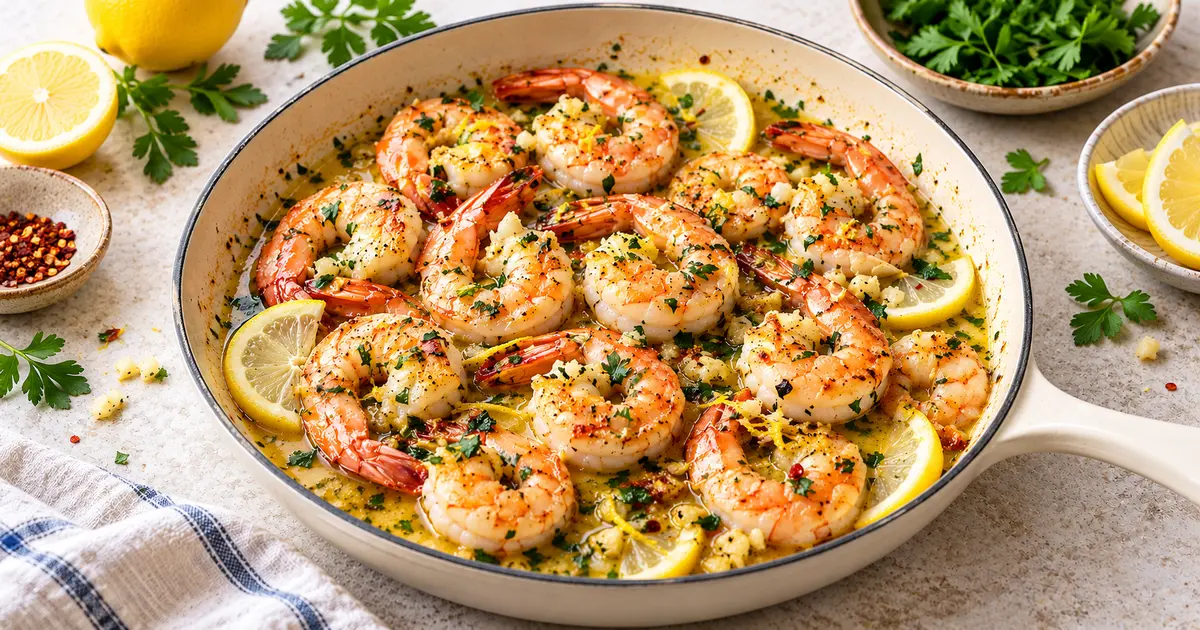
Table of Contents
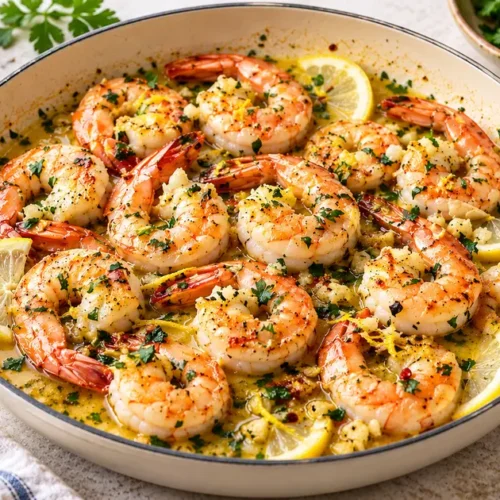
Bright garlic, lemon, and tender shrimp come together in this easy garlic lemon butter shrimp scampi. It is a flexible weeknight seafood dinner that works with linguine or simple vegetables and can be ready in about 20 minutes once your ingredients are prepared.
Why This Shrimp Scampi Works
The key to tender shrimp scampi is quick cooking and a sauce that is built in stages. Garlic is warmed rather than browned, lemon is added late to preserve its brightness, and a splash of starchy pasta water or unsalted broth helps the butter and olive oil coat the shrimp. The broth, butter, and fresh lemon create a bright, savory sauce with very little preparation. It can be served with pasta, rice, vegetables, or crusty bread.
Ingredients and Substitutions
For the best texture, choose large shrimp and dry them thoroughly before cooking. Exact amounts appear below and will also be used in the recipe card.
- 1½ pounds large shrimp, peeled and deveined
- 3 tablespoons olive oil
- 3 tablespoons unsalted butter
- 5 garlic cloves, finely minced
- ½ teaspoon red pepper flakes, optional
- 1 teaspoon lemon zest and 2 tablespoons fresh lemon juice
- ¼ cup low-sodium seafood or vegetable broth
- ¼ cup chopped parsley
- ½ teaspoon kosher salt and black pepper to taste
- 8 ounces linguine, optional for serving
For a pasta version, cook linguine separately and reserve about ½ cup of the starchy water. For a lighter plate, serve the shrimp over zucchini or asparagus. Frozen shrimp work well after safe thawing and thorough drying. If the broth is salted, reduce the added salt and season the finished sauce to taste.
Choosing and Preparing Shrimp
Large shrimp are easier to control in a hot skillet than tiny shrimp because their centers do not turn rubbery as quickly. For this recipe, choose about 1½ pounds of peeled, deveined shrimp, ideally in the large to extra-large range. The exact count per pound may vary by seller; what matters more is that the shrimp are similar in size so they finish together. Tails can remain on for presentation, but removing them makes a pasta dinner easier to eat. If the shrimp still have shells, peel and devein before measuring the cooking time.
Frozen shrimp can work just as well as fresh shrimp when handled carefully. Thaw overnight in the refrigerator, or place sealed shrimp in cold water for a quick thaw and cook them promptly. Never leave shrimp on the counter to thaw. Drain, then blot with paper towels until the surface feels dry. This step is not cosmetic: excess water drops the skillet temperature, steams the shrimp, and dilutes the garlic-butter sauce. If the seafood smells sour, rancid, or strongly of ammonia, discard it.
Get everything ready before heating the pan. Garlic can go from fragrant to bitter in less than a minute, and lemon juice tastes livelier when added after cooking. Measure the broth, divide the olive oil and butter, zest the lemon before juicing it, and chop the parsley. For a pasta meal, bring the water to a boil and start the pasta first; the shrimp portion is intentionally the last thing you cook.
How to Make Shrimp Scampi
- Prepare the ingredients. Pat the shrimp dry and season lightly. Mince garlic, zest and juice the lemon, and chop parsley before heating the pan.
- Sear the shrimp. Heat 2 tablespoons of olive oil in a wide skillet over medium-high heat. Cook shrimp in a single layer, about 1–2 minutes per side depending on size, until just opaque. Transfer to a plate.
- Bloom the garlic. Lower the heat to medium-low. Add remaining olive oil and 1 tablespoon butter. Stir in garlic and optional red pepper for 30–45 seconds until fragrant, not browned.
- Build the sauce. Add broth, scraping up the browned bits, and simmer briefly. Reduce heat and whisk in remaining butter and lemon zest.
- Finish and serve. Return shrimp and juices for about 30 seconds. Turn off heat, add lemon juice and parsley, and adjust seasoning. Loosen with a spoonful of pasta water if needed. Serve immediately.
According to FoodSafety.gov, shrimp are cooked when the flesh is pearly or white and opaque. Check the thickest shrimp before removing the pan from the heat, and do not let cooked shrimp simmer while waiting for accompaniments.
Timing and Doneness
Large shrimp may need just 2–4 minutes total over medium-high heat; very large shrimp take a little longer. Opaque flesh and a firm but springy texture signal doneness, while a tightly curled shape often indicates overcooking. For shrimp, look for uniformly pearly, opaque flesh rather than a translucent center; use a food thermometer where practical and follow current seafood safety guidance. Avoid keeping cooked shrimp in a bubbling sauce while waiting for the pasta. Cook pasta first so both finish together.
A Practical 20-Minute Cooking Plan
The 20-minute target is realistic when the shrimp are already thawed and peeled, the ingredients are measured, and no long-cooking side dish is starting from scratch. Allow roughly 10 minutes for chopping and measuring, 3–5 minutes to sear the shrimp in one or two batches, 2–3 minutes to make the sauce, and another minute to coat and serve. If you need to cook dried linguine, heat the pasta water first; its boiling time may make the entire dinner longer than 20 minutes.
- Minutes 0–5: pat the shrimp dry, mince garlic, zest and juice lemon, and chop parsley.
- Minutes 5–10: measure broth, butter, oil, and seasoning; arrange the sides or drain pasta.
- Minutes 10–15: sear shrimp without crowding, then remove them so they stop cooking.
- Minutes 15–20: briefly soften garlic, reduce broth, whisk in butter, return shrimp, and finish with lemon and parsley.
Think of this schedule as an order of operations rather than a stopwatch. Shrimp thickness, pan heat, and batch size can vary. Use the cooked appearance as your final check. A few extra seconds for properly cooked shrimp are more useful than forcing the dish to meet a headline time.
Serving It Three Ways
For shrimp scampi pasta, toss just-drained linguine into the warm sauce with a few tablespoons of reserved starchy water, then fold the shrimp in at the end. For a lighter plate, spoon shrimp and sauce over roasted asparagus or zucchini. For a rice bowl, use fluffy rice and add a little extra lemon juice at the table. A simple green salad cuts through the richness. Keep the accompaniments lightly seasoned so the garlic-lemon sauce remains the focus.
How to Keep the Garlic-Lemon Sauce Silky
This is a quick pan sauce, not a heavy cream sauce. Olive oil carries the garlic aroma, butter gives the liquid a silky finish, and broth supplies enough moisture to coat every shrimp. Keep the pan at medium-low heat after searing. Let the broth bubble briefly to concentrate the flavor, then lower the heat before stirring in the last butter. If the skillet is aggressively boiling, butter can separate into oily droplets. A spoonful of warm broth or reserved pasta water can help bring the mixture together.
Choose low-sodium broth so the final salt level stays within your control. The sauce should taste gently savory before the lemon goes in; it will become brighter and sharper after the citrus. Add zest while the sauce is warm and lemon juice off the heat. That sequence preserves a fresh citrus aroma. Parsley is added last for a clean herbal finish rather than simmering until dull. Taste the finished sauce before adding any extra salt or pepper.
If you want the sauce to cling to linguine, add the pasta directly to the skillet with a tablespoon or two of starchy pasta water. Toss until glossy, then fold in the already-cooked shrimp. Add more water a spoonful at a time, only if needed. For a bread-and-vegetable dinner, keep the sauce a little looser so there is enough to spoon over the plate. Avoid adding extra lemon juice simply to thin a separated sauce: acidity can overwhelm the shrimp.
Common Mistakes to Avoid
Wet shrimp tend to steam rather than sear, so dry them thoroughly. Crowding the skillet traps moisture and prevents browning; work in batches. Garlic burns quickly and turns bitter, so reduce the heat before adding it. Putting lemon juice into a very hot pan early can flatten the citrus flavor; add it once the heat is off. Too much salt can result when the broth or seafood is already seasoned. Taste only after the sauce comes together. Most importantly, do not continue cooking the shrimp while thickening the sauce.
Useful Variations Without Changing the Core Recipe
Gentle heat: Leave out the optional red pepper flakes for a mellow garlic-lemon dish. If you prefer a warm finish, use the measured ½ teaspoon in the garlic stage, then taste before adding more. Chili heat should remain in the background rather than hiding the delicate shrimp flavor.
Extra lemon aroma: Increase the zest slightly instead of pouring in much more juice. Zest adds fragrance with less acidity. Serve additional lemon wedges at the table so each person can brighten an individual portion without changing the entire skillet.
More vegetables: Serve the scampi over steamed asparagus, sautéed zucchini, or spinach cooked separately. Keeping vegetables out of the small scampi pan prevents them from releasing too much water into the sauce. Use a few spoonfuls of sauce on the vegetables rather than trying to cook everything together at once.
Rice-bowl dinner: Spoon the shrimp over warm rice, add parsley and lemon, and keep the sauce slightly more fluid with a small splash of broth. This is particularly useful for serving people who want a filling meal without pasta. Prepare the rice ahead so the shrimp remain the final step.
Smaller batch: For two people, halve the measured ingredients, use a smaller skillet, and watch the garlic closely; it can brown faster when the pan is less full. For a larger group, keep the original sauce proportions per 1½ pounds of shrimp and sear in batches. Overloading the skillet is a much greater risk than taking a few extra minutes.
Storage and Reheating
Refrigerate leftovers promptly in a covered container and use within 3–4 days. Reheat gently in a skillet over low heat with a teaspoon of water or broth, just until hot; aggressive reheating makes the shrimp rubbery. Do not leave cooked seafood at room temperature for more than two hours, or more than one hour in hot conditions. For the best texture, prepare only the amount you expect to serve, as fresh shrimp scampi is much better than reheated shrimp.
Make-Ahead Prep and Sauce Control
You can do most of the measuring in advance without compromising the finished texture. Peel and devein the shrimp earlier, refrigerate them safely, and keep them covered until cooking. Chop parsley, mince garlic, zest lemon, and measure broth in separate containers. Do not leave raw shrimp at room temperature while you prepare the rest of the meal. The sauce is best assembled just before serving, because prolonged heat can toughen the shrimp and split the butter.
For a dinner with guests, cook any rice or pasta and prepare the salad before the shrimp hit the pan. Set out serving plates, a clean spoon for the sauce, and lemon wedges. Once the shrimp turn opaque, remove them promptly. You can briefly hold the sauce warm off the heat while plating, but do not keep the shrimp in a simmering liquid. If the sauce separates, whisk in a teaspoon of warm broth or pasta water off the heat and serve immediately.
Garlic Lemon Butter Shrimp Scampi (20 Minutes)
Ingredients
- 1 1/2 lb large shrimp peeled, deveined, thawed if frozen, and patted dry
- 3 tbsp olive oil divided, 2 tbsp for searing and 1 tbsp for sauce
- 3 tbsp unsalted butter divided, 1 tbsp with garlic and 2 tbsp for finishing
- 5 garlic cloves finely minced
- 1/2 tsp red pepper flakes optional
- 1 tsp fresh lemon zest finely grated
- 2 tbsp fresh lemon juice add off heat
- 1/4 cup low-sodium seafood or vegetable broth use unsalted if available
- 1/4 cup fresh parsley chopped
- 1/2 tsp kosher salt adjust depending on broth
- freshly ground black pepper to taste
- 8 oz dried linguine optional for serving; cook separately and reserve some pasta water
Instructions
- Pat shrimp thoroughly dry; lightly season with salt and pepper. Mince garlic, zest and juice lemon, and chop parsley. If serving with linguine, cook it separately and reserve 1/2 cup pasta water.
- Heat 2 tablespoons olive oil in a wide skillet over medium-high heat. Add shrimp in a single layer, working in batches if necessary. Cook about 1–2 minutes per side until the flesh is pearly and opaque, then transfer to a clean plate.
- Reduce heat to medium-low. Add the last tablespoon olive oil and 1 tablespoon butter. Stir in the garlic and optional red pepper flakes for 30–45 seconds until fragrant, without browning.
- Add the broth and briefly simmer, scraping the browned bits from the pan. Lower heat and whisk in the remaining 2 tablespoons butter and the lemon zest until the sauce looks glossy.
- Return the cooked shrimp and their juices to the pan for about 30 seconds, just to coat and warm. Turn off the heat; stir in lemon juice and parsley. Adjust salt and pepper, loosen with a spoonful of reserved pasta water if needed, and serve promptly.
Notes
Frequently Asked Questions
How do I make a silky garlic lemon butter sauce?
Use ¼ cup of low-sodium seafood or vegetable broth along with butter, olive oil, garlic, and lemon. Add the lemon juice off the heat for a bright finish, and whisk in a little warm broth if the sauce needs loosening.
Can I use frozen shrimp for this recipe?
Yes, provided you thaw them safely. Refrigerate frozen shrimp overnight, or thaw sealed shrimp in cold water and cook promptly. Drain and pat thoroughly dry before searing. Wet shrimp release water, preventing good browning and thinning the sauce.
What pasta works best with shrimp scampi?
Linguine and spaghetti hold the light garlic-butter sauce well; angel hair also works but cooks very quickly. For four servings, 8 ounces of dried linguine is a useful optional starting amount. Reserve some starchy cooking water to help the sauce cling to the noodles.
Why did my shrimp turn rubbery?
They were probably cooked too long, left in the hot skillet while the sauce reduced, or reheated too aggressively. Sear shrimp briefly in a single layer, transfer them to a plate, and return them only at the end. The flesh should be pearly and opaque when done.
Can I make the sauce ahead of time?
Prepare the components ahead, but combine the sauce just before serving. Garlic tastes best when lightly warmed, lemon is brighter when added off the heat, and butter emulsifies more reliably in a freshly made sauce. Refrigerate prepared ingredients separately until needed.
Related Seafood Recipes
Browse easy shrimp recipes for other weeknight ideas. If you prefer a different preparation, try air fryer shrimp with garlic and lemon. For a separate grilling method, see grilled shrimp marinade. These dishes have different cooking methods and should remain separate from this scampi recipe.