
Sea Bream Fish Cakes with Potato and Parsley
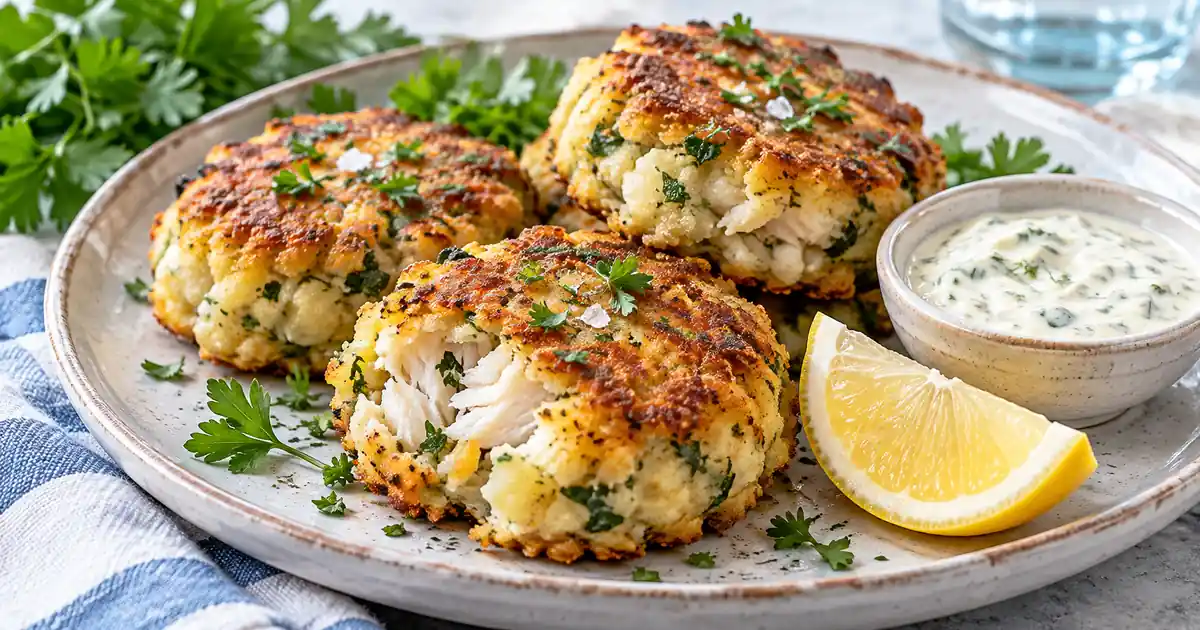
Table of Contents
Sea bream fish cakes turn cooked, boneless fish and plain mashed potato into a defined pan-cooked meal. This version makes four small cakes for two servings, using egg and breadcrumbs to bind the mixture, with parsley and lemon zest for seasoning. It is a different preparation from serving a crisp fillet over avocado and chickpeas: the fish is flaked into the cake mixture, and the method focuses on shaping, turning, and heating the center thoroughly.
The recipe starts with eight ounces of already-cooked sea bream and one cup of plain cooked mashed potato. Their original cooking is not included in the estimated fifteen minutes of preparation and fifteen minutes of pan cooking. Choose safely prepared ingredients, keep them chilled until working, and use the complete measured card below. A browned exterior is useful for texture, but a thermometer decides when a cake is ready to serve.
Start with cooked fish you can identify
Use sea bream that has been fully cooked, with skin and bones removed, then weighed to give eight ounces of usable flesh. If cooking fish specifically for the recipe, prepare it separately to the official fish endpoint of 145°F, and chill it promptly before making this mixture. Do not substitute eight ounces of a raw fillet and expect the same shaping behavior or cooking instructions.
Flake the fish with clean fingers or a fork, checking carefully for bones as you work. Remove hard fragments, skin, and any very firm browned edges that would interrupt the cake’s texture. Leave some small flakes rather than reducing all the fish to a smooth paste. An inspection is valuable, but it is not a guarantee that every bone has been found; continue to pay attention when portioning and eating.
Leftover fish is suitable only when its handling history is known. A reheating step does not rescue fish that spent too long outside refrigeration. Avoid strongly sauced portions unless you deliberately consider how that extra liquid and seasoning will alter the mixture. Plain cooked fish gives this formulation a clearer starting point than a leftover fillet covered in a thick dressing.
Choose a potato base that holds its shape
Measure one cup of plain mashed cooked potato after it has cooled and been safely refrigerated. The intended texture is firm enough to mound on a spoon, without a large quantity of added cream, butter, or cooking water. A loose restaurant-style puree is not an exact substitute. If making the potato separately, cook it until tender, drain it thoroughly, and mash it without adding dairy for this measured recipe.
Do not use hot potato straight from a saucepan to mix with the raw egg. A chilled base is easier to handle and avoids partially cooking the binder during assembly. Keep its preparation separate from the recipe’s thirty-minute estimate. The fish and potato amounts are deliberately both measured; judging by the size of a leftover piece or a whole potato produces less consistent portions.
The potato provides the cake’s body while the fish contributes flakes throughout. Adding an excessive amount of potato would stretch the yield and dilute the seafood portion. Adding more fish without adjusting the binder can make the cakes harder to turn. Begin with the stated quantities before trying a larger or differently proportioned batch.
The remaining measured ingredients
One large egg binds the cooled potato and fish. Beat it in a small bowl before adding it, so the mixture receives the egg evenly without extensive stirring. One-quarter cup of plain dried breadcrumbs helps absorb moisture and reinforces the shape. These breadcrumbs go into the mixture; this recipe does not use a separate breaded crust or ask you to prepare multiple dredging bowls.
Add one tablespoon of chopped parsley, one teaspoon of finely grated lemon zest, and one-eighth teaspoon of black pepper. Wash the lemon before zesting and avoid the thick white pith. The zest gives citrus aroma without introducing the liquid from a large squeeze of juice. Salt is not included in the base mixture because the prior fish preparation may already have been seasoned; assess that ingredient before deciding on a separate adjustment.
Use two tablespoons of olive oil for the pan, divided between two batches if your cookware cannot comfortably hold all four cakes. The recipe contains fish, egg, and wheat. Check the breadcrumb label and the original cooked ingredients for other allergens. Removing one component does not justify labeling the finished dish broadly allergen-free or making an unsupported nutrition claim.
Mix and shape without overworking
First, inspect and measure the cooked fish and cooled potato. Beat the egg, chop the parsley, and measure the breadcrumbs, zest, and pepper. Set a clean plate or tray beside the mixing bowl. Have a broad spatula ready for cooking, since a narrow utensil provides less support beneath a soft cake.
Second, combine the potato, beaten egg, breadcrumbs, parsley, lemon zest, and pepper. Fold in the fish gently after the base is distributed. The mixture should come together without beating the fish into a paste. If the starting potato was very wet, the cakes may remain soft; do not cover that problem with repeated unmeasured additions and pretend the stated formulation has stayed the same.
Third, divide into four equal portions and shape into cakes about three-quarters of an inch thick. Keep the thickness even so the centers heat similarly. Lightly dampened clean hands can make shaping easier, but do not add water to the bowl. Set the formed cakes on the clean plate while preparing the pan, and avoid leaving them out during unrelated kitchen tasks.
Fourth, heat the measured oil in a nonstick or well-seasoned skillet over medium heat. Add the cakes without crowding, then cook until the first side is set and golden enough to turn, approximately four to five minutes. Lift each with the broad spatula and turn carefully. Use a second utensil to steady a cake if necessary rather than pressing hard on its center.
Finally, cook the other side and continue until the center of each cake reaches 165°F. Allow roughly ten to fifteen minutes total pan time, but use the thermometer rather than the browned surface alone. Transfer to clean plates and serve two cakes per portion. Adjust the burner if the exterior darkens before the center is heated through; rushing the surface does not shorten the safety check.
Solve shaping and cooking problems
Fish cakes often break because they are turned before the first side has set or because the spatula supports only a small part of the underside. Give the cake time to develop its surface, then slide the utensil fully beneath it. Repeatedly nudging and lifting it during the first minutes can weaken the shape before it is ready to move.
A wet mixture begins with the ingredients, especially the potato. Drain and cool the potato properly during its separate preparation, and avoid scooping saucy fish into the measured weight. This recipe does not claim that every purchased mashed-potato product has the same consistency. If the mixture cannot be shaped, stop and reassess the base rather than forcing loose spoonfuls into hot oil.
Uneven thickness creates another problem: a thick central mound may remain below the endpoint while thin edges darken. Flatten the cakes evenly before cooking and check the center from the side when possible. If your pan requires batches, keep the uncooked remaining mixture chilled and use the measured oil across the batches. Do not stack raw-egg cakes on the plate used for finished ones.
Substitutions and serving suggestions
Another plainly cooked white fish can be considered instead of sea bream, with the same usable cooked weight and safe handling requirements. That changes the recipe’s identity and potentially its texture; it is not a claim that every fish behaves identically. A raw fish substitution is a different method. Instant potato or heavily enriched leftovers also need a separately evaluated consistency rather than an automatic promise of success.
Serve the cakes with a simple salad or separately prepared vegetables. A lemon wedge can be offered at the table without adding juice to the binder. Keep a sauce separate so the pan-cooked surface does not soften before eating. Accompaniments are not included in the measured cake yield or time estimate, and a large side dish changes the overall meal rather than the recipe’s ingredient list.
For a different starting method, SABSEA’s baked sea bream guide discusses oven preparation. The fish still needs to be cooked, checked for bones, and handled safely before its usable flesh is weighed for these cakes. Keep that separate preparation outside the cake recipe’s estimated time.
Storage and reheating
Handle the cooked fish and mashed potato as perishables even before they become cakes. The FDA’s handling guidance recommends a refrigerator at 40°F or below and refrigeration within two hours, reduced to one hour above 90°F. Use clean shallow containers. The fish’s prior storage history still counts; making cakes does not reset an opened product’s label limits or give leftovers a new guaranteed shelf life.
Keep a batch small enough to serve promptly. Refrigerate finished leftovers without leaving them stacked in a warm pan. Reheat only the portion you need until its center reaches 165°F, using a covered skillet or another suitable method and checking rather than relying on surface warmth. Covering can soften the crust, so do not promise a freshly cooked texture after reheating.
Raw-egg mixture should not be tasted to decide whether it needs seasoning. Assess the already-cooked starting fish before mixing, then judge the finished cake after it has reached the endpoint. Clean utensils and surfaces that contacted the uncooked mixture before using them for cooked portions. These ordinary handling steps are more important than making the cakes look uniform for a photograph.

Sea Bream Fish Cakes with Potato and Parsley
Ingredients
- 8 oz cooked sea bream flesh skin and bones removed; safely chilled
- 1 cup plain mashed cooked potato firm, without added dairy; safely chilled
- 1 large egg beaten
- 1/4 cup plain dried breadcrumbs
- 1 tbsp chopped parsley
- 1 tsp finely grated lemon zest
- 1/8 tsp black pepper
- 2 tbsp olive oil for pan cooking; divided if cooking in batches
Instructions
- Check the cooked fish for bones and measure the safely chilled fish and plain potato. Beat the egg and prepare the measured remaining ingredients.
- Combine potato, egg, breadcrumbs, parsley, zest and pepper. Gently fold in the cooked fish without beating it into a paste.
- Divide into four equal cakes about 3/4 inch thick. Keep thickness even and place on a clean plate.
- Heat the olive oil over medium heat. Cook without crowding until the first side sets and turns golden, about 4–5 minutes, then turn carefully with a broad spatula. Use batches if necessary, keeping the remaining uncooked mixture chilled.
- Finish the other side and continue cooking until each center reaches 165°F (74°C), allowing about 10–15 minutes total pan time. Serve two cakes per portion on clean plates.
Notes
Frequently asked questions
Can I make these directly with raw sea bream?
No. The formula starts with weighed, fully cooked fish. Raw fish changes the mixture and requires a different cooking method. Prepare the fish separately and handle it safely before following this recipe.
Should I coat the cakes in extra breadcrumbs?
The measured breadcrumbs are mixed into the cakes. There is no separate coating stage in this formulation. Adding an exterior crust would require extra ingredients and change the method.
Can I use creamy leftover mashed potatoes?
Very loose or heavily enriched potatoes are not an exact match to the firm plain base specified here. Their additional liquid and fat may make shaping harder. Use a suitable measured potato preparation rather than assuming all leftovers behave alike.
How many cakes are in a serving?
The batch makes four equal cakes for two servings, so one serving is two cakes. Keep their thickness consistent when dividing the mixture to make cooking and portioning clearer.
Are golden cakes ready to eat?
A browned surface does not establish the center temperature. Check each cake’s thickest part and continue cooking until it reaches 165°F. Lower the heat if the outside is darkening too quickly.
Let the ingredients and temperature define the result
Begin with safely cooked fish and a firm potato base, shape four even cakes, and turn them only when their first surface has set. Finish with a thermometer check rather than a color-based guess. That creates a clear recipe for using sea bream in a different meal without repeating the site’s fillet-salad preparation.