
How to Reheat Cooked Shrimp Without Making It Rubbery
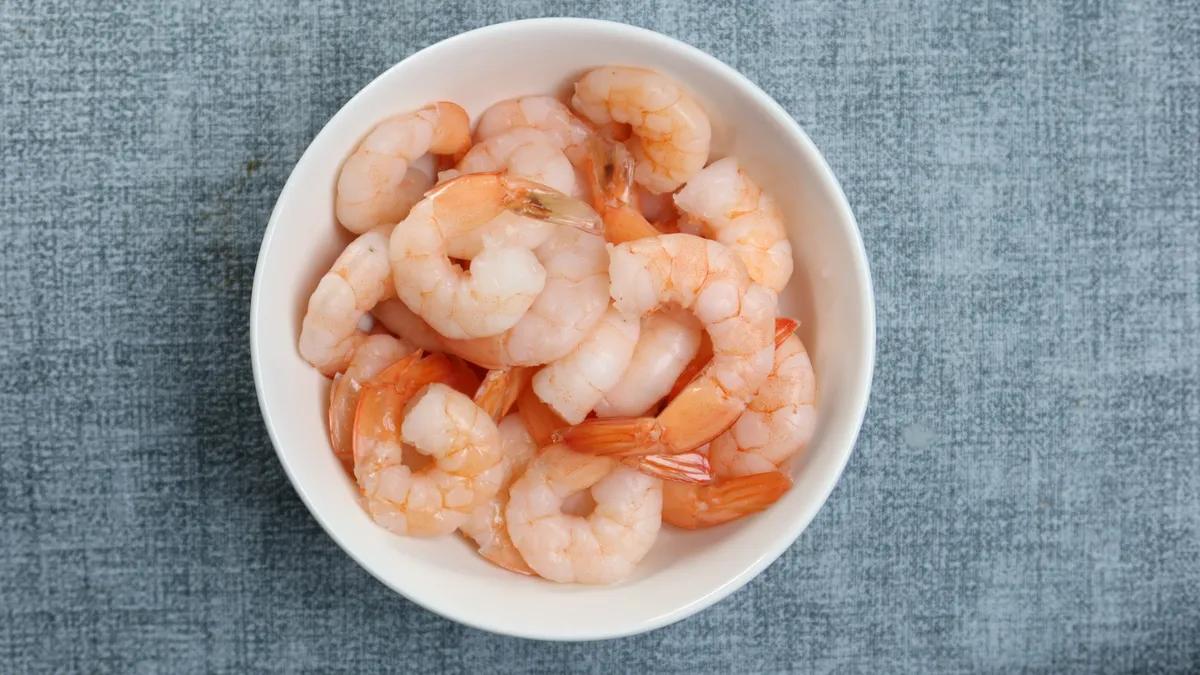
Wondering how to reheat cooked shrimp without turning them rubbery? The right method depends on whether you have a handful of chilled shrimp, a full tray, or leftovers mixed into a meal. This guide compares skillet, oven, microwave, and air fryer methods, with practical temperature checks and storage advice.
How to Reheat Cooked Shrimp: The Quick Answer
Reheat cooked shrimp gently and briefly. For refrigerated shrimp, place them in a covered skillet with a tablespoon of water over low heat, turning for roughly 1–3 minutes until heated through. The exact time depends on size, quantity, and starting temperature. If the shrimp are leftovers, check the center with a food thermometer and reheat to 165°F (74°C). Remove them promptly rather than leaving them in a hot pan. For chilled shrimp cocktail that is meant to be eaten cold, reheating is unnecessary if it was stored safely.
First, Decide Whether Your Shrimp Should Be Reheated
Not every cooked shrimp dish improves with heat. Cold shrimp cocktail, salads, and some grain bowls are designed to be served chilled. Warm pasta, tacos, stir-fries, and rice dishes often benefit from warmed shrimp, but the shrimp should go in at the end. If shrimp were previously cooked and then refrigerated, treat them as leftovers rather than raw seafood. Check storage time, temperature, and any signs of spoilage before reheating. Do not try to make questionable shrimp safe by cooking them again. A sour or ammonia-like odor, unusual slime, or uncertain refrigeration history are reasons to discard them.
Best Method: Reheat Shrimp in a Skillet
A skillet offers the most control because you can see and feel when the shrimp are hot. Put a nonstick or well-seasoned skillet over low heat. Add one tablespoon of water or unsalted broth for each single-serving portion, and add a teaspoon of olive oil if desired. Add cooked shrimp in one layer, cover briefly, then turn them once. Check after one minute; larger shrimp or a fuller pan may need longer. If these are leftovers, verify 165°F (74°C) at the thickest piece using a food thermometer. Take the pan off the heat immediately once the shrimp reach temperature. Avoid browning already-cooked shrimp: prolonged high heat contracts the proteins and makes them chewy. Reheat sauce separately when practical, then fold shrimp into it at the end.
How to Reheat Cooked Shrimp in the Oven
The oven is convenient for several servings but can dry shrimp quickly. Preheat to 300°F (150°C). Spread the shrimp in a shallow oven-safe dish with a splash of water or broth, cover tightly with foil, and warm in short intervals. Begin checking after about five minutes rather than relying on a fixed time; the amount and thickness of shrimp matter. Use a thermometer to confirm leftovers reach 165°F (74°C). Remove the dish as soon as they are hot. The covered environment reduces moisture loss, but it does not rescue shrimp that were overcooked the first time. Avoid a high-temperature roast intended for raw shrimp.
Microwave Method for a Small Portion
Microwaves are fast but prone to uneven heating. Put the cooked shrimp in a microwave-safe dish in a single layer. Add a teaspoon of water, cover loosely with a microwave-safe lid, and heat at medium power in short 15–20-second bursts. Stir or rearrange between bursts. Test the center of the largest shrimp with a food thermometer; leftover shrimp should reach 165°F (74°C). Because microwave ovens vary widely, there is no reliable universal total time. Let the dish stand briefly so heat distributes, and serve immediately. Never microwave shrimp in sealed containers or with non-microwave-safe packaging.
Can You Reheat Shrimp in an Air Fryer?
You can, but the circulating dry heat is less forgiving than a covered skillet. If you choose this method, arrange shrimp in a single layer and use a relatively low setting, checking very frequently. Lightly coat with oil or a little sauce to limit drying. The shrimp should not become crisp and dark just to be considered reheated. Check that leftover shrimp reach 165°F (74°C) and remove them promptly. An air fryer works best when the dish includes a coating you actually want to refresh, such as previously cooked breaded shrimp; delicate plain shrimp generally fare better with moist heat.
Reheating Shrimp in Pasta, Rice, Soup, and Sauces
The safest texture strategy is to warm the main dish first and add the cooked shrimp near the end. Heat pasta sauce until hot, then stir in shrimp briefly. For rice, heat the rice thoroughly on its own and add shrimp during the final stage, checking that the complete leftover dish reaches 165°F (74°C). In soup, bring the broth to a safe serving temperature, lower the heat, then add shrimp just long enough to warm through. Avoid letting them boil for several minutes. In a creamy sauce, use gentle heat and stir to prevent splitting. The key is minimizing the time shrimp spend in an aggressively hot environment.
How to Keep Reheated Shrimp Tender
Moisture, timing, and portion size matter more than elaborate seasonings. Start with shrimp that were cooked correctly and cooled promptly. Reheat only the portion you plan to eat. Use low or moderate heat, add a small amount of liquid, and cover the pan when appropriate. Keep shrimp in a single layer to avoid cold spots. Choose a thermometer over guessing by color: cooked shrimp may already be pink and opaque before reheating. Lemon juice, garlic, parsley, and a little olive oil can refresh flavor after warming, but acidic ingredients will not fix a rubbery texture. Serve promptly once hot.
Food Safety: Storage, Temperatures, and Leftovers
Refrigerate cooked shrimp within two hours of cooking, or within one hour when the ambient temperature exceeds 90°F (32°C). Keep the refrigerator at 40°F (4°C) or below and use cooked seafood leftovers within three to four days. Freeze promptly if you will not use them in that period. Thaw frozen cooked shrimp in the refrigerator, not on the counter. For previously cooked leftovers, USDA guidance recommends reheating to 165°F (74°C). This is distinct from the 145°F (63°C) minimum cooking temperature commonly given for raw seafood. Check the actual center temperature with a food thermometer. If shrimp were left out too long, discard them instead of relying on reheating. For detailed timing, see our guide to storing cooked shrimp and safe shrimp thawing guide.
Practical reheating workflow for a mixed meal: Remove the chilled shrimp from the rice, pasta, or vegetables when practical. Reheat the other components until thoroughly hot, then add the shrimp with a tablespoon of water or sauce and heat until the shrimp also reach 165°F (74°C). Check with a food thermometer where possible; a quick toss is not proof of safe reheating. If the shrimp cannot be separated, stir the dish to avoid cold pockets and check several spots. Discard leftovers with uncertain storage history rather than trying to make them safe by reheating.
Common Mistakes to Avoid
The most frequent mistake is treating precooked shrimp as though they were raw. High heat for several minutes can turn tender shrimp tough. Another error is reheating a crowded pile, leaving cold pieces in the middle. Using color alone is unreliable because cooked shrimp are already opaque. Repeatedly warming and cooling the same batch also reduces quality and increases handling risks. Finally, do not confuse a pleasant aroma with proof of safety: properly stored shrimp can still need thorough reheating, while improperly stored shrimp should be discarded. Divide large portions before refrigerating and reheat only what you need.
Serving Ideas for Leftover Shrimp
Toss gently warmed shrimp with lemon and parsley, fold them into a hot rice bowl, or add them to pasta after the sauce has finished cooking. For a lighter meal, combine chilled shrimp with cucumber, greens, and a bright dressing without reheating. Shrimp can also be added to tacos with warm tortillas and fresh cabbage, or placed on top of a soup just before serving. Choose the method that fits the dish instead of reheating automatically. When choosing between warm and chilled serving, start with storage history: properly chilled cooked shrimp can go directly into a cold salad, while leftovers served hot must be reheated thoroughly. Keep cold ingredients refrigerated until assembly, and do not use shrimp that sat at room temperature beyond safe limits.
Frequently Asked Questions
Can you reheat cooked shrimp without making it rubbery?
Yes. Use gentle heat, a little moisture, and short intervals. Stop as soon as the shrimp are heated through and verify 165°F (74°C) for leftovers.
How long does it take to reheat shrimp in a skillet?
A small portion may take about 1–3 minutes over low heat, but time varies. Use a thermometer rather than relying on a fixed minute count.
Can you eat cooked shrimp cold?
Yes, if the shrimp were cooked, chilled promptly, and stored safely. Cold shrimp cocktail and salads do not require reheating.
Is it safe to reheat cooked shrimp twice?
It is better to reheat only the portion you need. Repeated cooling and reheating can reduce quality and complicate safe handling.
What temperature should leftover shrimp reach?
USDA leftover reheating guidance is 165°F (74°C). Check the center of the largest piece with a food thermometer.
Bottom line: Warm cooked shrimp gently, check the correct leftover temperature, and serve without delay. Good storage and short reheating are more important than a particular appliance.