
How Long to Grill Scallops on Skewers? Heat, Timing and Doneness
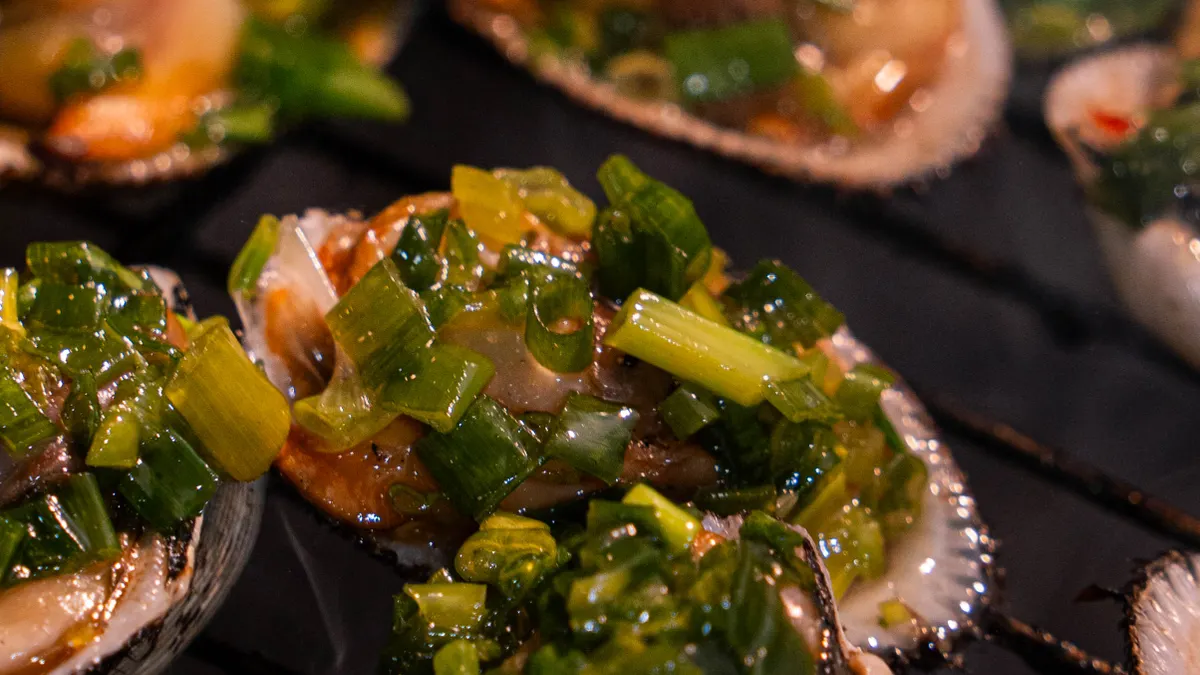
How long should scallops stay on a skewer over a hot grill? The answer depends on the scallops’ size, how wet their surface is, how closely they are threaded and the heat at the cooking grate. A common starting window for large sea scallops is only a few minutes per side, but it is not a universal finish time. This guide shows how to choose suitable scallops, prepare the skewers, manage flare-ups and check for a firm, opaque center before serving. The goal is well-marked scallops that are tender rather than rubbery.
Quick answer: begin checking early
On a clean, preheated medium-high grill, large sea scallops threaded on skewers often begin developing color after about two to three minutes on the first side. Turn carefully and start checking after another couple of minutes. These are approximate first-check windows, not guaranteed cooking times. Very small bay scallops can cook faster and are more likely to fall between grill grates; oversized scallops and crowded skewers may need more time.
The FDA’s safe food handling guidance says scallops should be milky white or opaque and firm when cooked. Take one of the largest scallops off the skewer to check its center if there is any doubt. A lightly charred exterior does not prove the inside is done.
Heat, size and placement all matter. A skewer that is partially over a cooler area will cook more slowly than one close to a flare-up, and a wet scallop may steam rather than sear. Your most reliable habit is to check the largest piece and adjust based on actual doneness.
Choose sea scallops that fit the skewer
Large, firm sea scallops work better than tiny bay scallops for direct-grate grilling. Look for scallops with clear or pearl-like flesh, a mild aroma and no excess liquid pooling in their packaging. Packages that indicate added solutions may release more moisture during cooking. That does not automatically make them unsafe, but it makes deep browning more difficult. If possible, choose evenly sized pieces so they finish together.
Some scallops still have a small, tough side muscle attached. Pull it away gently before cooking if present. Keep the scallops refrigerated while preparing the grill. If using frozen scallops, thaw them safely overnight in the refrigerator in a covered container, then dry thoroughly with clean paper towels. The FDA advises buying and storing seafood cold and avoiding packages that show possible temperature abuse.
For additional buying and refrigeration detail, refer to our raw scallop storage guide. It covers a separate stage of preparation from the live-fire cooking technique here.
Metal versus wooden skewers and grill setup
Flat metal skewers are easy to turn and resist the spinning that can happen when scallops are threaded on a round rod. If you use wooden skewers, follow the package guidance for soaking them and keep exposed ends away from open flames. A double-skewer setup can stabilize each row of scallops and make it easier to lift the whole batch. Thread through the thickest central portion without crushing the flesh.
Clean the grill grate with a suitable brush or scraper, then preheat before cooking. Oil the scallops lightly rather than pouring oil directly into the flame. Use long tongs for the skewers and keep a clean platter nearby for finished seafood. Do not reuse the platter that held raw scallops unless it has been washed.
A gas grill can offer consistent heat control, while charcoal introduces changing hot spots as coals shift. Leave a cooler zone available so you can move the skewers if edges color before centers cook. The goal is controlled direct heat, not the hottest possible fire.
Drying and seasoning for a good sear
Pat each scallop dry just before threading. Removing surface moisture is the simplest way to encourage browning instead of steaming. Lightly coat the scallops with olive oil or another suitable oil, then season with black pepper and a modest amount of salt. Lemon zest, finely chopped parsley and a little garlic can add flavor, but large pieces of garlic may burn on an exposed grate. Reserve fresh lemon juice for serving, since liquid added early can keep the surface wet.
Thread scallops with small gaps between them to let hot air circulate. If you pack pieces tightly together, the contact points may stay pale while the outside edges brown. Keep sizes together; a skewer alternating tiny and very large scallops will be harder to cook evenly. There is no need to press them flat or squeeze them into an unnatural shape.
A finishing brush of herb-infused oil on the cooked scallops creates a more fragrant plate without forcing chopped herbs to endure direct high heat. Keep that finishing oil separate from anything that has touched raw seafood.
Step-by-step method for a hot grill
- Thaw scallops safely if frozen, then pat very dry and remove any remaining tough side muscle.
- Preheat a clean grill to medium-high heat, keeping a cooler zone available. Lightly oil the scallops.
- Thread evenly sized large scallops onto flat skewers, leaving a little space between pieces.
- Place skewers across the grate and leave them undisturbed long enough to form light grill marks. Begin checking the first side after roughly two to three minutes.
- Lift and turn gently using long tongs. If the scallops resist the grate, let them release rather than scraping.
- Start checking the other side after a couple of minutes. Remove a large scallop if necessary and inspect whether its center is opaque and firm.
- Transfer safely cooked skewers to a clean platter, then add lemon juice and chopped herbs.
These timing windows are for relatively large sea scallops and a preheated grill. They are not a substitute for checking the actual food. If flare-ups develop, move the skewers toward a cooler area and allow the heat to stabilize.
Our pan-seared scallops guide is useful for comparing a skillet method, which offers more direct contact and often a more even golden crust.
How to tell when the scallops are cooked
Cooked scallop flesh should be milky white or opaque and firm according to the FDA. That is the relevant visual endpoint, regardless of whether the outside has dark grill marks. If a scallop is still noticeably translucent at its center, continue cooking and check again. In the reverse situation, a scallop that is hard and shriveled may have spent too long on the heat and lost moisture.
Where a reliable center-temperature reading is feasible, use a suitable instant-read thermometer and follow current official seafood safety guidance. For small scallops, a probe may be difficult to position accurately without touching the skewer; in that case inspect the largest piece’s flesh rather than treating an unreliable reading as definitive.
Remove finished skewers as soon as they are done. Carryover heating is modest but continues briefly, and holding scallops over a hot grate while you prepare the rest of the meal is a common way to make them tough. Keep cooked seafood separate from uncooked ingredients.
Five reasons scallop skewers stick or turn rubbery
Wet surfaces: pat the scallops dry before seasoning. Cold or dirty grates: preheat and clean the cooking surface. Turning too soon: allow a light crust to form before lifting. Uneven sizing: thread similar pieces together. Overcooking: start checking early and stop when the scallops are opaque and firm rather than relying on a timer alone.
If the scallops stick to the grate, use a broad grill-safe utensil to loosen them gently from underneath, then turn the skewer without dragging. If you continually lose pieces through the gaps, try a grill basket or perforated grill tray next time. The trade-off is slightly less direct grill marking but more secure handling.
If garlic scorches before the scallops cook, move garlic into a clean finishing butter or oil mixture and brush it over the finished seafood. This produces fragrance without bitterness. A wedge of fresh lemon at the table is often all that is needed for an appealing final result.
What to serve with grilled scallop skewers
Grilled scallops pair well with simple sides that do not compete with their sweet seafood flavor: warm rice, charred asparagus, sliced tomato salad or a cucumber-herb relish. A little lemon zest and parsley add freshness; a small spoon of sauce can make the plate feel more finished. Avoid coating the scallops in a thick, sugary glaze during the first minutes on the grill, which may scorch before the interior is safely cooked.
For another seafood grilling idea, see our grilled oysters with garlic butter or grilled shrimp marinade. These are distinct seafood techniques with their own food-safety and timing requirements.
If the meal is served outdoors, keep raw scallops refrigerated until the grill is ready and do not leave cooked seafood sitting in direct sun. Use clean serving utensils and discard perishable food that has remained unrefrigerated too long.
Storage and reheating for leftovers
Transfer leftovers promptly to shallow, covered containers and refrigerate within two hours, or within one hour if outdoor temperatures are above 90°F (32°C). Store at 40°F (4°C) or below. Reheat leftovers thoroughly to 165°F (74°C), as advised by FoodSafety.gov, though the scallops may become firmer on a second heating. Use cooked leftovers within three to four days if they were handled safely.
For the best texture, grill only as much as you expect to serve immediately. A well-organized setup with clean grates, dry scallops, stable skewers and early doneness checks makes the process much easier. The right grill time is the one that cooks your particular scallops thoroughly without leaving them over the heat after they are done.
Frequently asked questions
How long do large scallops take on a grill skewer?
Begin checking after roughly two to three minutes per side on a preheated medium-high grill, then continue as needed until the largest scallop is opaque and firm.
Should I soak wooden skewers before grilling scallops?
Follow the skewer packaging recommendations, and keep exposed ends away from direct flames. Flat metal skewers are easier to turn.
How do I stop scallops from sticking to the grill?
Dry them well, preheat and clean the grate, apply a little oil and avoid moving them before a crust forms.
Are grill marks enough to prove scallops are cooked?
No. Inspect the center: properly cooked scallops should be milky white or opaque and firm according to FDA guidance.
Can I use frozen scallops on skewers?
Yes, after safe refrigerator thawing and thorough drying. Fully frozen scallops require a different cooking approach and should not use the timing window in this guide.