
How to Reduce Sodium in Seafood Marinades Without Losing Flavor
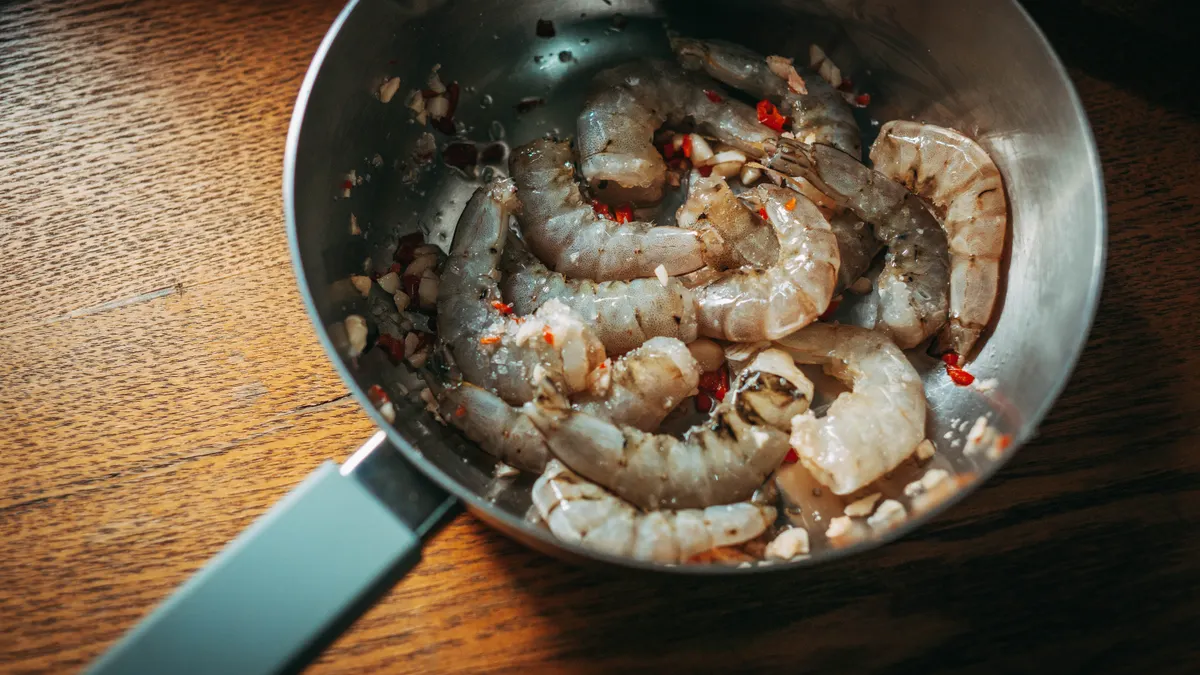
A flavorful seafood marinade does not have to depend on a large amount of salt, bottled dressing or concentrated seasoning. If you want to reduce sodium in a seafood marinade, the most useful move is to examine every ingredient—not merely omit the final pinch of salt. Bottled sauces, prepared spice mixes, broth and brined seafood can contribute sodium before the fish ever touches the pan. This guide provides an ingredient-by-ingredient approach to adjusting marinades for fish, shrimp and scallops, without making unsupported nutrition claims or changing a favorite recipe blindly.
Where sodium hides in seafood marinades
The obvious source is table salt, but a marinade’s sodium can also come from soy sauce, bottled dressings, seasoning blends, prepared stock, mustard, hot sauces and certain jarred flavorings. Read the sodium per serving value on each Nutrition Facts label and consider how much you actually add to the entire batch. A spoonful of a concentrated condiment can matter more than a generous amount of fresh lemon, ginger or parsley. The same product category can contain dramatically different sodium quantities across brands, so avoid assumptions based on marketing words alone.
Also check the seafood. Some frozen or processed fish is treated with sodium-containing solutions to manage moisture, while some shellfish and canned seafood arrive in salted liquid. Read the ingredient list and package information, and choose products that fit the meal you are preparing. Fresh fish is not automatically sodium-free, and frozen seafood is not automatically heavily salted.
For a practical comparison, write down how much sauce a marinade actually uses, then divide the package sodium totals by the number of servings. This helps you understand where a change will make the largest difference, even if you do not publish a formal nutrition calculation.
Build flavor with five complementary elements
Many successful fish and shrimp marinades use a simple framework: a small amount of oil to carry aromas, acid for brightness, fresh aromatics for depth, herbs for freshness and optional seasonings for warmth. Lemon and lime juice add sharpness; zest delivers citrus fragrance without adding much liquid. Garlic and ginger supply an assertive flavor base. Parsley, dill, cilantro, basil and thyme offer different profiles depending on the fish.
Smoked paprika, coriander, black pepper and ground cumin can give a marinade greater perceived depth. Choose individual spices or clearly labeled salt-free blends when you want control. If using a premixed rub, check the label before assuming it contains no sodium. A small amount of oil helps herbs adhere to the seafood; a marinade does not need to be a deep bath of liquid.
Most importantly, taste the marinade before it touches raw fish. Once raw seafood has been added, never taste the used liquid without boiling it properly. Citrus and garlic can improve flavor, but neither chemically removes sodium from an ingredient that is already salty.
How to read labels and compare products fairly
Begin with the Nutrition Facts panel. Compare products by equal serving sizes or by an amount you intend to use, not simply by the size of the container. A sauce marked “reduced sodium” has less sodium than its standard comparator but can still contribute a substantial amount. “No salt added” describes a manufacturing choice and does not automatically mean the finished dish is free of sodium. Look at the actual milligrams listed per serving and assess the full recipe.
The American Heart Association recommends replacing some salt-driven flavor with lemon, lime, fresh herbs and spices. That is a useful culinary strategy, but the total sodium in a final seafood dish depends on the fish, condiments, toppings and portion size. Do not advertise a finished recipe as meeting a particular sodium threshold without checking the full formulation.
When a product is unusually concentrated, use a measured teaspoon rather than pouring straight from the bottle. A measuring spoon is a simple tool that makes comparisons reproducible. Record the specific brand in your kitchen notes if you are comparing results across multiple dinners.
Different approaches for fish, shrimp and scallops
White fish: lean fillets such as cod, haddock and pollock benefit from fresh lemon zest, dill and a little olive oil. Strongly acidic liquid can soften a delicate surface if left too long. Keep marinating brief and use much of the fresh lemon juice as a finishing squeeze after cooking. Salmon and trout: richer fish stand up to mustard, garlic, pepper and assertive herbs. If a recipe uses a salty glaze, try a smaller amount brushed on near the end instead of soaking the fish in it.
Shrimp: peeled shrimp take on surface seasonings quickly, so a light coating of garlic, paprika, lemon zest and oil often provides enough flavor. A long acidic bath can compromise texture. For grilling, thread shrimp evenly onto skewers and add a separate clean finishing sauce after cooking. Our best marinade for grilled shrimp is an existing flavor-first recipe; use this page for evaluating sodium sources rather than making a duplicate marinade post.
Scallops: simple surface seasoning usually works better than a wet marinade if your goal is a browned crust. Pat them dry and season shortly before cooking. More liquid in the pan creates steam rather than the color and texture many cooks want.
Three flexible marinade combinations to adapt
Citrus-herb mix for white fish: combine two tablespoons olive oil, one teaspoon lemon zest, one tablespoon chopped parsley, one teaspoon chopped dill, a small grated garlic clove and black pepper for approximately one pound of fish. Add fresh lemon juice after cooking or just before serving. Ginger-lime mix for shrimp: stir together two tablespoons neutral oil, one teaspoon fresh grated ginger, one teaspoon lime zest, a little minced garlic and chopped cilantro; add lime juice after grilling.
Smoky paprika mix for salmon: whisk two tablespoons olive oil with a teaspoon smoked paprika, a little mustard powder, chopped parsley and lemon zest. Brush over salmon before baking. These are culinary starting points, not laboratory-tested products or sodium claims. Their final nutrition values vary by the fish and any separately added seasoning.
For more strong-flavor inspiration, our blackened salmon seasoning uses a distinct Cajun-style flavor profile, while baked mahi mahi with lemon and garlic highlights herb-and-citrus flavor in a complete dish.
Marinate seafood safely and avoid cross-contamination
Keep seafood in the refrigerator while it marinates, not on a kitchen counter. Place it in a covered, nonreactive dish or leakproof food-safe bag on a lower shelf, where drips will not contact ready-to-eat food. Wash your hands after handling raw seafood and keep clean utensils separate. For frozen seafood, thaw safely in the refrigerator before marinating. The FDA seafood guidance describes safe cold storage and preparation practices.
Do not reserve a portion of marinade after it has contacted raw fish for an uncooked dipping sauce. Instead, make extra clean marinade before adding raw seafood, divide it between two containers and refrigerate the reserved portion separately. If you intend to use a raw-seafood marinade as a cooked sauce, bring it to a complete boil first, while recognizing that it may be too salty or too acidic when reduced.
Cook finfish to 145°F (63°C), or until opaque and easily separated with a fork where a thermometer is impractical, in accordance with official guidance. Cook shrimp and scallops until their flesh is pearly or white and opaque and firm. The amount of sodium does not change the food-safety endpoint.
Mistakes that leave a marinade flat or overly salty
Replacing salt with more bottled dressing: the new ingredient may contain just as much sodium. Adding too much lemon juice: acid can overwhelm delicate fish and soften its surface. Use zest for fragrance and juice toward the finish. Using dried herbs in the same volume as fresh: dried herbs are concentrated; start with a smaller amount and adjust gradually.
Relying on a single “low sodium” label: inspect the actual numbers and every component. Using a very large amount of marinade: excess liquid may hinder browning, especially in an air fryer. Keeping used raw marinade: contamination is a separate hazard; handle it carefully.
If the finished seafood seems bland, add a small squeeze of lemon, freshly cracked pepper or chopped herbs before reaching for the salt shaker. A dish can develop much of its appeal from crust, browning, aromatic freshness and contrast, rather than seasoning strength alone.
Think about the whole plate and its serving size
A carefully adjusted marinade can be undermined by an especially salty side, dressing or finishing sauce. Pair boldly seasoned grilled fish with simply prepared vegetables, unsalted rice or potatoes. If using canned beans, inspect the label and consider rinsing when appropriate. If the fish is served over noodles with a separate sauce, that sauce contributes to the meal’s sodium as well.
Instead of promising a “healthy” score for a meal you have not calculated, track a few meaningful quantities: package milligrams per serving, amount of condiment used, number of portions and additional table seasoning. These details are more useful than an unsupported headline. If you have a clinician-prescribed sodium limit, use individualized medical guidance rather than assuming any general recipe meets that requirement.
There is no need to surrender the flavor of seafood when using less sodium. Build a stronger aroma, measure concentrated ingredients and let proper cooking supply texture. Those changes also make your results easier to reproduce from one dinner to the next.
Frequently asked questions
Can lemon juice replace salt in a seafood marinade?
Lemon provides brightness and can make food taste lively, but it does not remove sodium. Use it as one flavor element and check packaged ingredients.
Is reduced-sodium soy sauce automatically low in sodium?
No. It contains less sodium than a comparator but the actual amount varies. Read the Nutrition Facts label and measure what you add.
How long should fish sit in a citrus marinade?
Delicate fish does not need a long acidic soak. Marinate refrigerated, follow a suitable recipe, and avoid prolonged contact that can soften texture.
Can I reuse a marinade that touched raw seafood?
Do not serve it uncooked. Reserve a clean portion before contact, or bring used marinade to a complete boil if repurposing it as a cooked sauce.
Does a homemade marinade make a finished dish low sodium?
Not necessarily. Seafood, packaged sauces and sides all contribute. A substantiated claim needs the full ingredients, portion size and calculated nutrition.