
Crabcakes 101: Secret Tips, Tricks, and Flavor Hacks for the Perfect Golden Crust
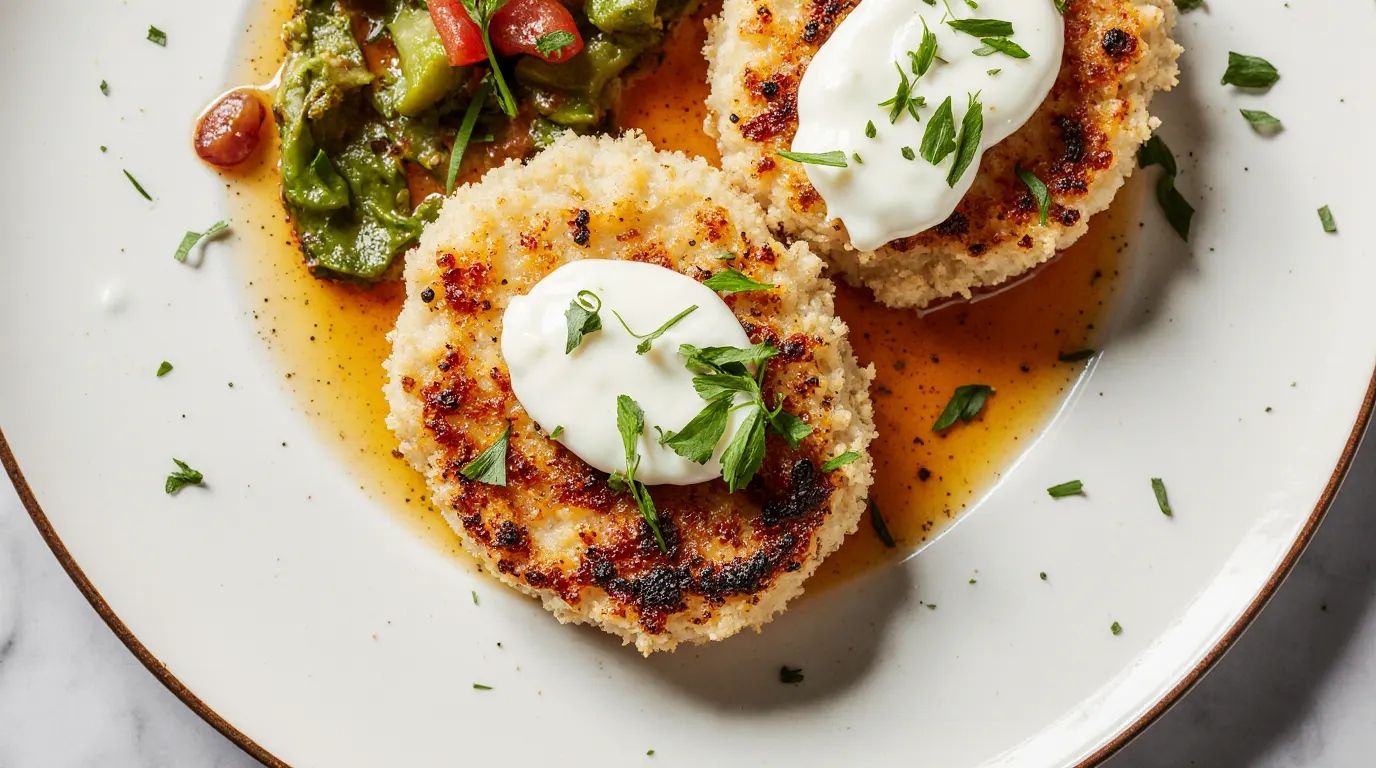
Table of Contents
Few dishes capture the heart of seafood lovers quite like crabcakes. They’re golden, crispy on the outside, tender and flavorful on the inside, and packed with the unmistakable sweetness of fresh crab. Whether you grew up along the Chesapeake Bay or you’re thousands of miles away dreaming of a seaside feast, a great crab cake recipe has the power to transport you.
But not all crabcakes are created equal. Some are dense and bready, while others are delicate yet fall apart before they even reach the plate. The magic lies in finding that perfect balance the sweet spot where the crab shines, the texture is just right, and the crust makes your fork sing when it breaks through.
In this guide, we’ll demystify crabcakes, break down the secrets of choosing the best crab meat, explore the charm of Maryland crab cakes, compare cooking techniques, and finish with flavor hacks that will make your version unforgettable. We’ll even give you a foolproof recipe so you can skip the guesswork and get straight to savoring.
1. Crabcakes Demystified: What Every Home Cook Needs to Know
Crabcakes are deceptively simple: crab meat, a binder, seasonings, and a quick kiss of heat. Yet the difference between a forgettable bite and a wow-worthy plate lies in the details.
The first thing to know? Crabcakes should be about the crab. That means the star of the show isn’t breadcrumbs, mayonnaise, or seasoning it’s the sweet, delicate flavor of the crab itself. The role of everything else is to support that flavor, not mask it.
Another key point is texture. A great crab cake should hold together when you cut into it, but not feel heavy or doughy. That’s why many seafood chefs recommend handling the mixture as little as possible and avoiding over-packing the cakes before cooking. Too much compression = dense cakes.
Seasoning is another area where many home cooks get lost. The beauty of crab is its natural sweetness, so you don’t need to bury it under spices. A touch of Old Bay seasoning, fresh parsley, lemon juice, and maybe a pinch of Dijon mustard can elevate without overpowering.
For moisture, egg yolks are the classic binder, often supported by a small amount of mayonnaise. Bread crumbs (panko is ideal) provide structure, but too much will mute the flavor. The trick is using just enough to hold things together.
And then there’s the crust that golden, slightly crisp outer layer that makes each bite irresistible. Achieving it comes down to your cooking method (we’ll get into that later), but suffice it to say: high heat and patience are your allies.
Once you understand these basics, the rest is creativity. Crabcakes can be dressed up for a dinner party with remoulade sauce and microgreens, or served casually with fries and coleslaw for a weekend treat. Either way, the fundamentals remain the same: respect the crab, respect the texture, and respect the crust.
2. Choosing the Right Crab Meat for the Ultimate Crab Cake Recipe
The foundation of any crab cake recipe is, unsurprisingly, the crab itself. And not all crab meat is created equal.
When you hear seafood lovers rave about authentic Maryland crab cakes, they’re usually talking about cakes made from jumbo lump crab meat large, firm pieces taken from the swimming muscles of the crab. These chunks provide the luxurious texture that sets premium crabcakes apart.
Here’s a breakdown of the common crab meat grades:
- Jumbo Lump: Large, whole pieces. Sweet, tender, and visually striking. Best for special-occasion crab cakes where presentation matters.
- Lump: Smaller pieces, still sweet and meaty. Excellent for combining with jumbo lump for a balance of flavor and budget.
- Backfin: A mix of lump and smaller flakes. Works well for more affordable crab cakes.
- Claw Meat: Darker in color, stronger in flavor. Ideal for adding depth, but best mixed with milder meat.
Fresh crab meat is ideal, but high-quality pasteurized crab (usually found in the refrigerated section) is a good alternative if you’re not near the coast. Avoid canned crab meat from the shelf it lacks the delicate texture needed for the perfect crab cake.
Pro Tip: Handle your crab meat gently. Break up large lumps just enough to distribute them evenly, but don’t shred them those big chunks are flavor gold.
3. Maryland Crab Cakes vs. Other Styles: Finding Your Signature Flavor
Maryland crab cakes have earned their legendary status for good reason. They’re minimalistic, letting the crab shine without unnecessary fillers. Traditionally, a Maryland-style crab cake contains:
- Jumbo lump crab meat
- A light binder (egg and minimal bread crumbs)
- Old Bay seasoning
- A touch of mayo or mustard
- Fresh parsley
- Lemon juice
The philosophy is simple: less is more. If you bite into a Maryland crab cake and can’t tell it’s mostly crab, it’s not authentic.
Other regions, however, take different approaches:
- Southern-style crabcakes often incorporate bell peppers, scallions, and Cajun spices for a bolder flavor.
- New England-style crabcakes may use Ritz crackers as the binder, adding a buttery undertone.
- Asian-inspired versions might include ginger, sesame oil, or panko for extra crunch.
While purists may argue that Maryland is the gold standard, experimenting with styles can be a fun way to develop your signature recipe. The key is to keep the crab as the hero, no matter what flavors you layer in.
4. Pan-Fry, Bake, or Broil? Cooking Methods That Deliver the Perfect Golden Crust
Pan-Frying
This is the go-to for most traditionalists. Cooking crabcakes in a hot skillet with a small amount of oil gives that satisfying golden crust and a moist interior. The trick is not to flip them too soon wait until the bottom is deeply golden before turning.
Baking
Baking is healthier and less hands-on. It’s also a great option for making a large batch. The downside? The crust won’t be quite as crispy as pan-frying unless you finish them under the broiler.
Broiling
This method delivers a deep golden crust quickly, but requires careful attention to avoid burning. It’s perfect if you’re looking for a quick dinner and already have pre-shaped crabcakesin the fridge.
Classic Maryland Crab Cakes Recipe

Ingredients
- 1 lb jumbo lump crab meat
- 1 large egg
- 2 tbsp mayonnaise
- 1 tsp Dijon mustard
- 1 tsp Old Bay seasoning
- 1 tbsp fresh parsley chopped
- 1 tsp lemon juice
- 1/4 cup panko bread crumbs
- 2 tbsp unsalted butter or neutral oil for frying
Instructions
- In a large bowl, whisk together the egg, mayonnaise, mustard, Old Bay, parsley, and lemon juice.
- Gently fold in the crab meat and bread crumbs, being careful not to break up the lumps.
- Shape into 6 cakes and refrigerate for at least 30 minutes to firm up.
- Heat butter or oil in a skillet over medium-high heat. Cook crabcakes for about 4 minutes per side, until golden brown.
- Serve with lemon wedges and your favorite sauce.
The Foolproof Classic Maryland Crab Cakes Recipe
Ingredients:
- 1 lb jumbo lump crab meat
- 1 large egg
- 2 tbsp mayonnaise
- 1 tsp Dijon mustard
- 1 tsp Old Bay seasoning
- 1 tbsp fresh parsley, chopped
- 1 tsp lemon juice
- 1/4 cup panko bread crumbs
- 2 tbsp unsalted butter or neutral oil for frying
Instructions:
- In a large bowl, whisk together the egg, mayonnaise, mustard, Old Bay, parsley, and lemon juice.
- Gently fold in the crab meat and bread crumbs, being careful not to break up the lumps.
- Shape into 6 cakes and refrigerate for at least 30 minutes to firm up.
- Heat butter or oil in a skillet over medium-high heat. Cookcrabcakes for about 4 minutes per side, until golden brown.
- Serve with lemon wedges and your favorite sauce.
5. Flavor Hacks That Will Make Your Crabcakes Unforgettable
If you’ve mastered the basics, it’s time to get creative. Here are flavor hacks that can transform your crab cake recipe from great to extraordinary:
- Use clarified butter for pan-frying. It adds a nutty richness without burning at high heat.
- Add a splash of Worcestershire sauce to the binder for an umami boost.
- Mix in fresh herbs like dill, chives, or tarragon for a bright, fresh note.
- Experiment with crust coatings crushed saltines, seasoned panko, or even cornmeal can change the texture game.
- Serve with bold sauces think chipotle mayo, lemon-caper aioli, or roasted red pepper coulis.
The bestcrabcakes are the ones that tell your flavor story while still letting the crab shine. Think of your seasoning as a frame for a painting: it should enhance the art, not distract from it.
Conclusion
Crabcakes are more than just a seafood dish they’re a celebration of coastal tradition, culinary craftsmanship, and simple pleasures. Whether you stick to the purity of Maryland crab cakes or explore your own creative twists, the key is respect: respect for the crab, the texture, and the crust.
Now you’ve got a foolproof Classic Maryland Crab Cakes recipe that even first-timers can master. If you try it, leave a comment and a rating and don’t forget to save this recipe to Pinterest or sign up for our newsletter for more seafood favorites.
Q1: What type of crab meat is best for crabcake?
A1: Jumbo lump crab meat is the top choice for crabcakes because of its sweet flavor and large chunks. For a more budget-friendly option, you can mix lump or backfin with jumbo lump.
Q2: Can I make crabcakes ahead of time?
A2: Yes. You can shape the crabcakes, cover them, and refrigerate for up to 24 hours before cooking. This helps them firm up and hold together better during frying or baking.
Q3: What is the difference between Maryland crabcake and other styles?
A3: Maryland crabcakes are minimalistic, using jumbo lump crab, a light binder, and Old Bay seasoning. Other regions may add peppers, herbs, or spices for a stronger flavor profile.
Q4: How do I keep crabcake from falling apart?
A4: Use just enough binder (egg and breadcrumbs) to hold them together, avoid overmixing, and refrigerate the cakes before cooking. This keeps them firm while preserving the crab’s delicate texture.
Q5: What is the best cooking method for crabcake?
A5: Pan-frying gives a golden crust with a moist inside, while baking is lighter and healthier. Broiling is fast and creates a crispy top but requires careful attention to avoid burning.
Q6: Can I freeze crabcake?
A6: Absolutely. Shape the cakes, wrap them tightly, and freeze before cooking. When ready, thaw in the fridge and cook as usual for fresh-tasting results.
Q7: What sauces go well with crabcake?
A7: Classic pairings include tartar sauce, remoulade, or lemon-caper aioli. For a spicy kick, try chipotle mayo or sriracha-based sauces.