
Lemon Caper Beurre Blanc for Fish: A Silky Butter Sauce
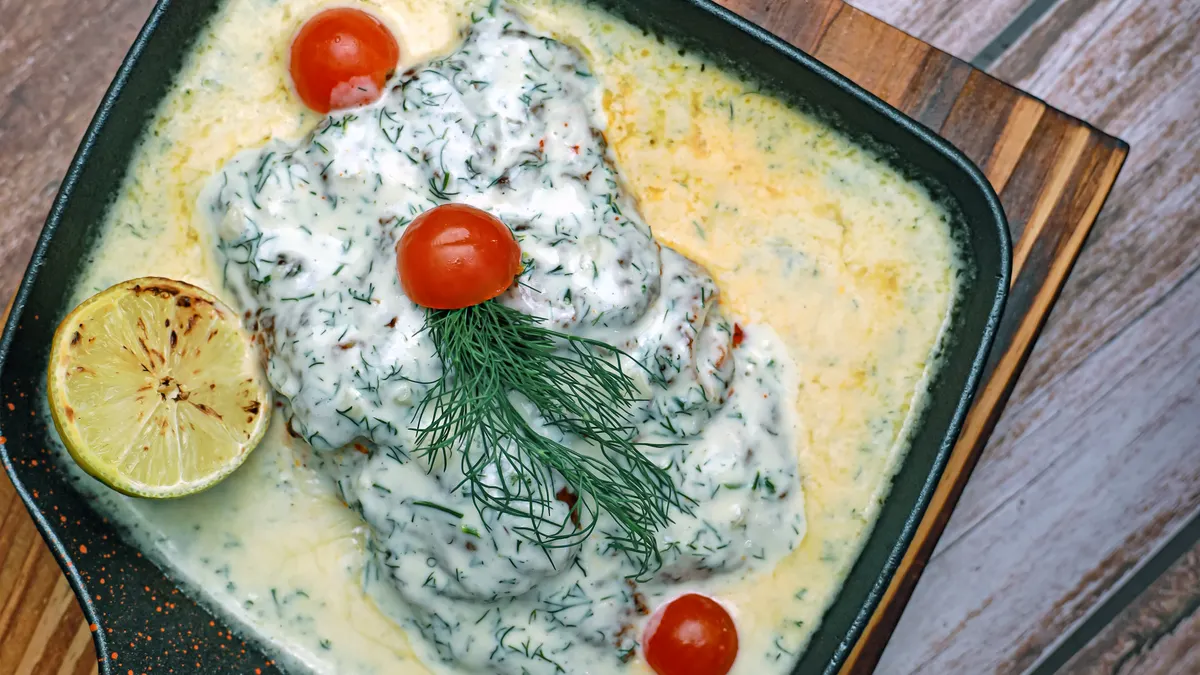
Lemon caper beurre blanc is a silky, tangy butter sauce that turns a simply cooked fish fillet into a restaurant-style plate. Unlike a pan sauce thickened with flour or cream, beurre blanc depends on a delicate emulsion: cold butter is whisked into a small, warm, acidic liquid until the sauce coats a spoon. This version balances lemon and capers with finely minced shallot, then explains how to prevent the sauce from separating, keep it warm briefly, and pair it with cod, sole, halibut or scallops.
What makes beurre blanc different from lemon butter sauce?
“Beurre blanc” describes a classic family of butter emulsions. Rather than melting butter into a large pool of hot liquid, you whisk small pieces of chilled butter into a reduced, tangy base. The resulting droplets remain dispersed in the liquid, giving the sauce its pale, satiny appearance. If the heat climbs too high or too much fat goes in at once, those droplets can merge and the sauce becomes greasy or thin. The goal is control, not complicated ingredients.
Capers contribute concentrated briny pops, while lemon adds brightness. Shallot provides savory depth that straight lemon butter sometimes lacks. This is why the sauce tastes particularly good with mild fish. It is also a different result from our simple lemon butter sauce for fish, which is a useful faster option when you do not want to manage a delicate emulsion.
The recipe below uses water alongside fresh lemon juice as the warm base and keeps the heat modest. No thickener is needed when the proportions and technique are handled carefully. You can adjust the level of capers at the finish, after tasting.
Choosing butter, capers, lemon and shallot
Unsalted butter is the main ingredient, so its temperature and texture matter. Cut it into small cubes and keep those cubes refrigerated until the pan is ready. Cold pieces give you time to whisk each addition into the base before the sauce gets too hot. Butter that has already softened completely can melt into a slick before an emulsion forms. Use real butter rather than a spread or margarine with a different water-and-fat balance.
Fresh lemon juice has a cleaner fragrance than bottled juice for this delicate preparation, and the zest can be added at the very end. Choose a small shallot, chop it as finely as possible and use only enough to build a subtle savory base. Capers packed in brine work well; drain them thoroughly and give them a quick rinse if the liquid is particularly salty. Some capers are packed in salt rather than brine and require more rinsing according to the package.
White pepper is traditional in many pale butter sauces, though a small pinch of freshly ground black pepper is perfectly usable. Taste before adding salt because capers contribute plenty of seasoning of their own. Keep the ingredient list short so the fish remains recognizable.
Equipment and temperature control
A small heavy-bottomed saucepan gives a steadier temperature than a very thin pot. Use a wire whisk that can reach into the corners, and have a warmed spoon ready for testing texture. A small fine sieve is optional if you prefer to strain out the minced shallot before emulsifying, but leaving the shallot in provides a pleasant rustic finish. A heatproof bowl set near the stove is useful if you need to transfer the sauce away from direct heat quickly.
Keep the burner at low or medium-low. You want the lemon-and-water base hot enough to melt butter but never boiling vigorously once the butter goes in. The sauce should feel warm rather than aggressively hot. If large bubbles break the surface, move the pan off the burner, whisk and allow it to cool briefly. For most home kitchens, avoiding boiling is more important than aiming for a precise narrow temperature reading.
Prepare the cooked fish before you finish the sauce. Beurre blanc is at its best soon after whisking, not held for an hour while the rest of dinner cooks. Plan the sequence so the fillets can move to plates and receive the sauce almost immediately.
Measured lemon caper beurre blanc recipe
The card provides the exact amounts and a repeatable sequence. It makes enough sauce for four modest fish portions. Keep the butter cold until the moment you begin whisking, and do not add all the cubes at once.
Lemon Caper Beurre Blanc for Fish
Equipment
- Small heavy-bottomed saucepan
- Wire whisk
- Fine sieve (optional)
Ingredients
- 1 tbsp shallot very finely minced
- 3 tbsp fresh lemon juice
- 4 tbsp water
- 8 tbsp unsalted butter cold, cut into 1/2-inch cubes
- 2 tbsp capers drained and rinsed if very salty
- 1/2 tsp fresh lemon zest
- 1 tbsp fresh chives finely chopped
- 1 pinch white pepper or black pepper
- to taste salt only after tasting the finished sauce
Instructions
- Combine shallot, lemon juice and water in a small saucepan. Simmer gently until approximately 3 tbsp liquid remains, about 3 to 5 minutes.
- Turn the burner to low or move the pan briefly off the heat. The reduction must be warm, not boiling vigorously.
- Add two or three cubes of cold unsalted butter and whisk until nearly incorporated. Add further cubes in small batches, whisking constantly to form a smooth pale emulsion.
- Remove from direct heat before the last cubes melt. Stir in drained capers, lemon zest, chives and a pinch of pepper. Taste before adding salt.
- Spoon over freshly cooked fish or scallops. If the sauce begins to separate, whisk it off heat into a teaspoon of warm water, adding small amounts gradually.
Notes
How to make the emulsion glossy rather than oily
Begin by warming the shallot, lemon juice and water in a small saucepan. Let the liquid gently reduce until there are about three tablespoons left. A very large reduction makes the sauce sharp; too much residual liquid can make it watery. Lower the heat and add two or three cubes of cold butter, whisking continuously until they nearly disappear. Add the next few cubes and repeat. It is the gradual addition, together with steady whisking, that builds the texture.
Once the sauce looks pale and smooth, remove it from direct heat and incorporate the remaining butter in small batches. Stir in drained capers, lemon zest and finely chopped chives at the end. Taste for acidity, adjusting with a few drops of lemon juice rather than a large pour. If the sauce looks too thick, whisk in a teaspoon of warm water to loosen it. If it appears oily, stop adding butter and whisk the pan off the heat.
Some cooks blend butter emulsions with an immersion blender, but the whisk method makes the temperature and texture more visible. For a small amount of sauce, hand whisking is usually straightforward once you follow the order carefully.
Best fish and sides for lemon caper beurre blanc
Cod, sole, haddock and halibut work beautifully because their clean flavor gives the capers room to shine. Spoon only a modest amount over each fillet rather than burying the crust. The sauce is also a natural partner for pan-seared scallops if the scallops are fully cooked and dry enough to brown properly. A simply roasted vegetable side, steamed asparagus or a little rice offers contrast without adding another strong dressing.
For a complete fish dish, try our oven-baked cod with garlic and olive oil and add a small spoon of the finished beurre blanc once plated. Our pan-seared sole with brown butter uses a different nutty, browned-butter technique; compare the two to understand how one ingredient can produce distinct sauces.
If serving with grilled vegetables, plate the fish and vegetables first, then sauce the fish directly. Do not pour beurre blanc over a very hot empty pan, because residual heat can break the emulsion.
How to rescue a split or overly sharp sauce
Oily streaks on top: remove the pan from heat immediately. In a clean bowl, whisk a teaspoon of warm water and slowly add the broken sauce a little at a time while whisking until it recombines. The sauce is too sour: add a little warm water and whisk in another small cold butter cube; avoid simply pouring in sugar, which changes the character of the sauce.
The sauce is too salty: capers or seasoned butter may be responsible. Use unsalted butter and rinse the capers more thoroughly next time; adding water can dilute a sauce but also change its consistency. The sauce looks very thin: the base may not have reduced enough or the butter was added too quickly. Lower heat and whisk in an additional small cube of cold butter, if needed.
The shallot tastes raw: give it more time in the initial liquid before adding butter. The finished sauce cools and thickens: warm it very gently over barely warm water, whisking continuously, instead of putting it back over high direct heat.
Serving, storage and practical planning
Beurre blanc is a finishing sauce, so it belongs on safely cooked fish. The FDA recommends cooking finfish to 145°F (63°C), or until the flesh is opaque and separates readily with a fork when a reliable thermometer reading is not possible. Prepare seafood on clean equipment and keep it refrigerated until ready to cook. Raw fish should not touch the whisk or spoon you use for finished sauce.
Unlike a robust tomato sauce, a butter emulsion is not a good candidate for repeated heating and cooling. Make only the amount you expect to serve, and use it promptly. Any leftovers should be chilled promptly and handled according to general food-safety guidance, but expect the sauce to separate when reheated. The best way to enjoy this preparation is freshly whisked at the table.
The finished result should be glossy, lightly tangy and speckled with capers—enough to complement a fish fillet without overwhelming it. Once you understand the base-and-cold-butter method, the sauce becomes a flexible addition to many mild seafood dishes.
Frequently asked questions
Can I make lemon caper beurre blanc ahead?
It is best made just before serving. A brief warm hold may work, but cooling and reheating can cause the emulsion to separate.
Why did my beurre blanc split?
The liquid was probably too hot, the butter was added too quickly or the sauce sat too long. Remove from heat and try whisking it slowly into a teaspoon of warm water.
Should I use salted or unsalted butter?
Use unsalted butter for better control because capers already add briny seasoning.
Do I have to strain the shallot?
No. Straining creates a smoother restaurant-style result, while keeping finely minced shallot gives a pleasant rustic texture.
Which seafood tastes best with this sauce?
Mild white fish and properly cooked scallops are excellent partners. Add the sauce after cooking to preserve its emulsion.