
Maine-Style Lobster Roll with Chilled Lobster
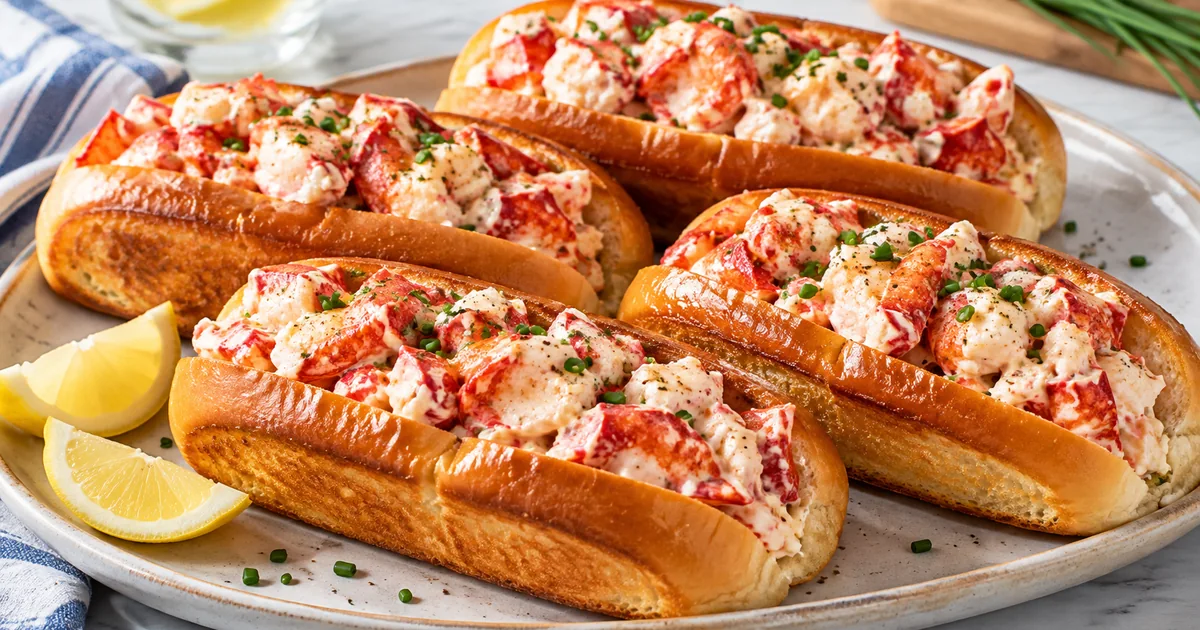
A Maine-style lobster roll can be a restrained sandwich: chilled lobster, a small amount of dressing, and a warm, buttery split-top bun. This version keeps the lobster pieces recognizable and the dressing light enough to coat rather than bury them. The term “Maine-style” describes the familiar cold lobster and mayonnaise approach here; it does not certify regional authenticity or claim a particular restaurant’s recipe. Four rolls make a lunch or light main course when each receives about four ounces of cooked lobster meat.
The starting point matters more than any last-minute flourish. Buy lobster meat that is clearly labeled cooked and ready to eat, keep it cold, and follow the package’s use-by and after-opening directions. This recipe does not tell readers how to cook a live or raw lobster. A package described only as “lobster meat” should not be assumed cooked. If its state cannot be verified, choose an explicitly cooked product. Frozen cooked meat can be thawed in the refrigerator according to the package before the stated preparation time begins. Drain excess liquid and pat the meat gently so the dressing remains a light coating.
The cold filling and toasted bun are prepared separately. Warm bread gives the sandwich contrast, but the lobster should not wait on a counter while the pan heats. Mix the filling in a chilled bowl or work promptly, return it to the refrigerator while toasting, then assemble and serve. At a picnic, use a cooler with sufficient cold sources and make the rolls as needed. The prepared filling is perishable even when its ingredients arrived fully cooked.
Table of Contents
What goes into four rolls
Use one pound of cooked, chilled lobster meat, picked over for any shell or cartilage. Large claw and tail pieces can be cut into bite-size chunks, while smaller knuckle pieces may remain intact. Avoid shredding all the meat into fine fragments; the lobster should still be the center of each bite. The one-pound amount divided among four buns provides a clear shopping quantity and yield. It does not imply a nutrition serving size, because products and buns vary.
For the dressing, measure one-quarter cup mayonnaise, one tablespoon fresh lemon juice, one tablespoon finely chopped chives, one-quarter teaspoon kosher salt, and one-eighth teaspoon freshly ground black pepper. Stir the dressing before adding the lobster so you can coat the pieces with fewer turns. Taste a little of the finished mixture and adjust only at the table if necessary; lobster products differ in salt content, and the written recipe uses the measured amount. The lemon adds brightness without turning the filling into a pool of liquid. Chives bring a mild onion note without the crunch of diced vegetables. A few leaves of tender lettuce can line the buns if desired, but the measured core formula does not depend on it.
Choose four split-top hot-dog buns and two tablespoons unsalted butter for the bread. Split-top buns have broad outside faces that can be browned in a skillet. If only standard side-split buns are available, toast their cut surfaces carefully and accept a different shape. Butter the outside faces evenly, about one-half tablespoon per bun, so the skillet browns the bread without leaving one side dry. Keep the buns unfilled until they are ready to eat; a dressed roll left standing loses its contrast quickly.
This version excludes celery, hot butter poured over the lobster, and a large spice blend. Those are separate choices that can change the texture or point readers toward a different style. Here the melted butter belongs on the bread and the cooked lobster stays chilled. This is one measured cold-lobster version rather than a comparison of regional recipes.
Mixing the chilled filling
Check the label and inspect the cooked lobster as you transfer it to a clean bowl. Remove any shell fragments and drain it if there is packing liquid. Patting it lightly with a clean towel helps the mayonnaise cling. Do not squeeze it dry or mash large pieces. Keep the meat refrigerated while you measure the other ingredients. Use a clean cutting board and knife for the chives and lemon so no raw seafood preparation surface touches the ready-to-eat filling.
Whisk the mayonnaise, lemon juice, chives, salt, and pepper until even. Fold the cold lobster into this mixture with a broad spoon or spatula. Stop as soon as the pieces are lightly coated. If you see dressing gathering at the bottom of the bowl, give the mixture one gentle turn before portioning rather than adding more mayonnaise. This measured amount aims for a restrained coating; it does not promise an identical result for every size and type of lobster piece.
Cover the bowl and return it to the refrigerator while you prepare the bread. A prolonged room-temperature rest is unnecessary. The twenty-minute preparation window assumes already cooked and chilled meat, a ready-to-use lemon, and a clear work area. It does not include thawing frozen lobster, cooking raw lobster, or a discretionary long chilling period. If those tasks are needed, they must be planned separately before using this recipe’s timing line.
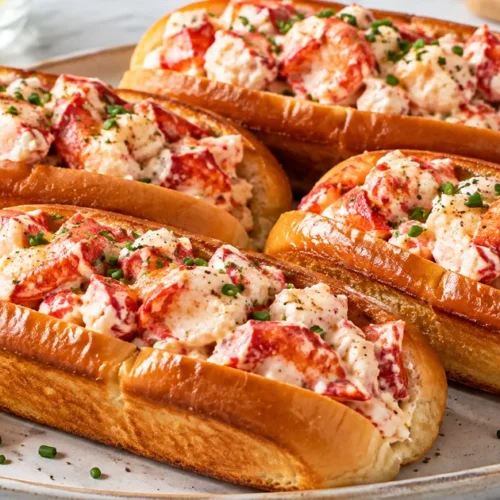
Maine-Style Lobster Roll with Chilled Lobster
Ingredients
- 1 lb cooked, chilled, ready-to-eat lobster meat picked over and drained
- 1/4 cup mayonnaise
- 1 tbsp fresh lemon juice
- 1 tbsp finely chopped chives
- 1/4 tsp kosher salt
- 1/8 tsp freshly ground black pepper
- 4 split-top hot-dog buns
- 2 tbsp unsalted butter softened
Instructions
- Check that the lobster is labeled cooked and ready to eat. Keep it chilled, remove any shell fragments, and drain it gently.
- In a clean bowl, mix the mayonnaise, lemon juice, chives, salt, and pepper until evenly combined.
- Gently fold the chilled lobster into the dressing, keeping the pieces intact. Return the covered filling to the refrigerator while preparing the buns.
- Spread the softened butter over the outer faces of the four split-top buns. Toast the buttered sides in a skillet over medium heat for about 2–3 minutes per side, working in batches if needed.
- Divide the chilled filling among the warm toasted buns and serve promptly.
Notes
Toasting and filling the buns
Set a skillet over medium heat. Spread the two tablespoons of softened butter over the outer faces of the four buns. Place them in the pan and toast the buttered sides for about two to three minutes per side, working in batches if the skillet is small. Look for an even golden surface and move the buns if the pan has hot spots. The five-minute cook time is a planning figure for a pan that fits the buns; batches can take longer. Toasting is a bread step, not a step for reheating the lobster.
Put the toasted buns on clean plates. Divide the chilled lobster filling into four roughly equal portions and spoon one portion into each bun. If using the optional lettuce, keep it dry and place it inside before adding the filling. Serve immediately while the bread is still warm and the lobster is still cold. A simple slaw, plain chips, or sliced cucumber can accompany the rolls, but side dishes are not included in the four-roll formula or its twenty-five-minute planning total.
The split-top shape makes the rolls easy to fill generously without compressing the meat. Avoid packing the filling down; the chunks should rest in the bun. If you are serving several people at different times, keep the filling refrigerated and toast a bun for each person just before serving. The assembled sandwich should not be used as a display that sits out for the length of a gathering. The food-safety clock is about the perishable filling, regardless of how appetizing the toasted bread still looks.
Choosing lobster for a Maine-style lobster roll
Cooked lobster meat may be sold refrigerated, frozen, or in different packaging, and labels vary. The recipe’s requirement is unambiguous: use a product that is already cooked and ready to eat, and obey its storage and use-by instructions. A sealed package does not automatically make refrigerated seafood shelf-stable. Keep it at 40°F (4°C) or below and avoid letting it warm while preparing the buns. The FDA’s seafood guidance emphasizes cold storage and separation from raw foods; the finished roll contains a ready-to-eat seafood filling. FDA seafood handling
If you thaw frozen cooked lobster, use the refrigerator and allow the time the particular package calls for. Do not count that thaw as part of the twenty-minute assembly estimate. Check the label after thawing for any shorter use window. Lobster left in warm water or on the counter is a poor shortcut for a cold sandwich. If a package’s product state, storage condition, or date is unclear, the recipe cannot safely substitute a visual guess.
Lobster is shellfish; the mayonnaise may contain egg, and the buns contain wheat unless a specifically labeled alternative is used. Check actual product labels for anyone with an allergy. The dish is a cold seafood filling on warm bread, not a cooked casserole, so a final oven temperature is not offered as a fix for mishandled meat. Clean hands, utensils, and surfaces matter because there is no further cooking step for the filling.
What to serve with it
Keep the sides quiet enough to let the lobster read as the main ingredient. A cucumber salad with a light dressing, a small bowl of chips, or cut tomatoes can be placed beside the roll. A heavily dressed second seafood dish may make the meal feel repetitive. The sandwich can be a lunch on its own, while a larger meal may call for more substantial sides. This is a serving suggestion rather than a promise that four rolls satisfy every group equally.
For a casual gathering, set out chilled filling in a covered bowl nested in ice and toast bread in small batches, checking that the filling remains safely cold. The simpler option is to portion it in the refrigerator and bring it out only when the buns are ready. FoodSafety.gov advises cold food be kept at 40°F (4°C) or colder and perishable food be refrigerated within two hours, or one hour above 90°F (32°C). A cooler that is merely cool to the touch is not a measured guarantee. FoodSafety.gov game day guidance
The toasted bun is best at once. Filling prepared in advance can be useful, but it is limited by the cooked lobster’s label and the time it has already spent open and refrigerated. Do not assume that mixing in mayonnaise resets the seafood’s storage clock. If the label says to use the lobster sooner than general leftover guidance, follow the shorter period.
For a different lobster-centered meal, see SABSEA’s Healthy Lobster Bisque for Two Servings, a separate warm recipe.
Storage and leftovers
Store any unassembled filling promptly in a covered shallow container at 40°F (4°C) or below, following the product’s after-opening directions. General cooked-leftover guidance allows up to three to four days in the refrigerator, but a shorter lobster-package limit controls. A previously opened package may have less remaining time than a fresh one. Label the container with the opening or preparation date so the actual window is easy to track. Discard filling left out beyond the two-hour limit, or the one-hour limit above 90°F (32°C). FoodSafety.gov cold storage chart
Keep leftover bread separate from the filling. An assembled roll becomes soggy, and returning a handled sandwich to the storage bowl can contaminate the remaining filling. If you want another roll later within the safe window, toast a fresh bun and add a cold portion directly from the refrigerator. This recipe is intentionally served cold; it does not propose reheating a mayonnaise-based filling. If you make a different hot lobster dish from leftovers, follow that dish’s fully specified heating and storage instructions rather than treating this roll method as a reheating guide.
Frequently asked questions
Can I use raw lobster meat and rely on the toasted bun to heat it?
No. The bun is toasted separately and the filling remains cold. Buy cooked, ready-to-eat meat for this formulation. If you want to cook raw lobster, use an appropriate fully specified cooking procedure first, chill it safely, and only then start this recipe’s assembly. The stated times do not cover that separate work.
Must I use a split-top bun?
It is the working choice because its broad outer faces toast neatly in butter. A side-split bun can be used if that is what you have, but its browning surface and filling capacity differ. Keep the four-bun yield and the two-tablespoon butter total clear rather than silently adding more bread or butter.
Why is the lobster chilled when the bread is warm?
The contrasting temperatures define this particular version. The skillet is for the bread; the filling is mixed from cooked, chilled lobster and returned to refrigeration until assembly. Serve promptly. If you prefer warm lobster in butter, that is a different formula and should have its own measured method.
Can I add celery or another sauce?
You can make another variation, but this card deliberately uses chives, lemon, and a measured mayonnaise coating without celery. A large quantity of extra wet vegetables or sauce changes the balance and may soften the bun. Keep additions separate from the measured ingredients in the recipe card.
How long may the filling sit out at a picnic?
Keep it cold at or below 40°F (4°C) and bring portions out only for assembly. If it is not held cold, general perishable-food limits are two hours, or one hour when the air temperature is above 90°F (32°C). Discard food that exceeds those limits. Also follow any stricter lobster-package instruction.
A focused sandwich
This roll depends on a few clear decisions: start with cooked, ready-to-eat chilled lobster, coat it gently with measured lemon-chive mayonnaise, brown the outside of four buttered buns, and assemble immediately. That sequence gives the sandwich a specific intent distinct from lobster pasta, bisque, or a hot buttered lobster preparation. The recipe card keeps the measured ingredients, timing, and assembly method in one place.