
Ultimate Cape Malay Pickled Fish Recipe
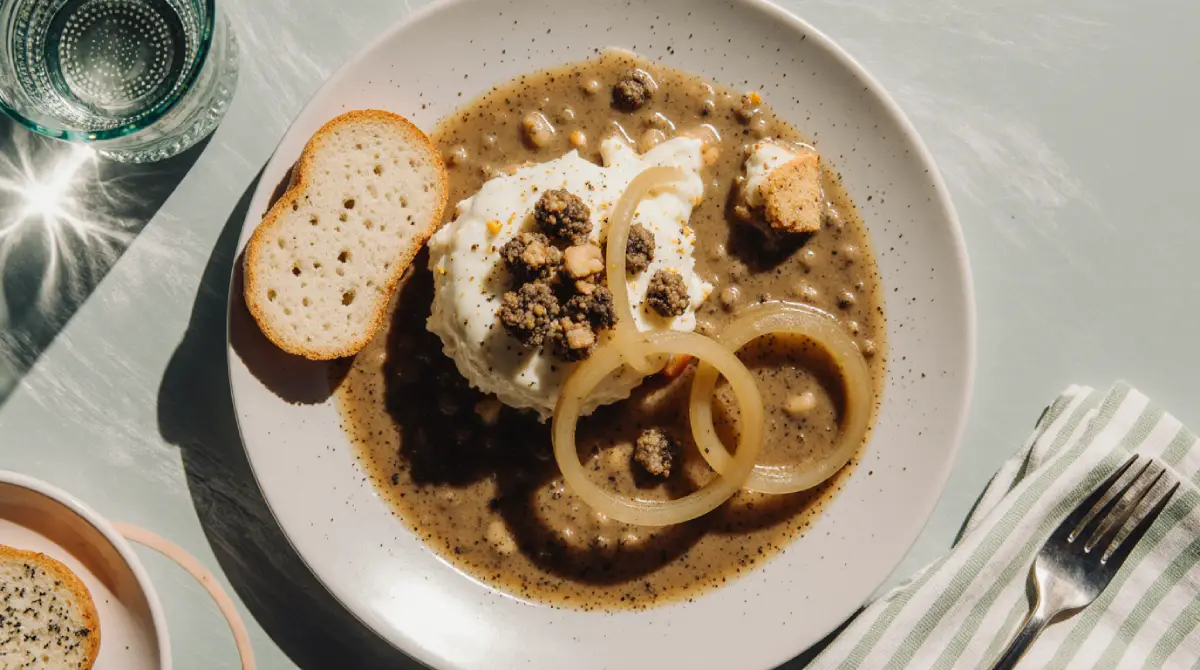
Craving a dish that’s tangy, aromatic, and full of South African flair? This Cape Malay Pickled Fish recipe brings together sweet, sour, and spicy flavors in perfect harmony. Whether for festive occasions or simple family dinners, it’s a dish that never disappoints.
Table of Contents
1. Essential Ingredients and Step-by-Step Directions for Perfect Cape Malay Pickled Fish
Creating the perfect Cape Malay Pickled Fish starts with the right ingredients and careful preparation. The beauty of this dish lies in its balance of spices, vinegar, and sweetness, which gently infuse the fish, creating a burst of flavor in every bite. For this Cape Malay pickled fish recipe, you’ll need the following:
Ingredients:
- 1 kg firm white fish (such as kingklip, hake, or cod), cut into portions
- 1 cup white vinegar
- 1/2 cup brown sugar
- 1 large onion, thinly sliced
- 3 cloves garlic, minced
- 1 tablespoon grated fresh ginger
- 1 teaspoon turmeric powder
- 1 teaspoon ground coriander
- 1 teaspoon chili flakes (adjust to taste)
- 1/2 teaspoon ground cinnamon
- 1/2 teaspoon ground cloves
- 2 bay leaves
- Salt and freshly ground black pepper
- Fresh coriander leaves, for garnish
Step-by-Step Directions:
- Prepare the Fish: Start by seasoning the fish portions lightly with salt, pepper, and a pinch of turmeric. Steam or lightly poach the fish for 8-10 minutes, just until it turns opaque. Avoid overcooking, as it will continue to cook in the pickling sauce. Remove the fish from the heat and set aside.
- Prepare the Pickling Sauce: In a medium saucepan, combine the vinegar, brown sugar, minced garlic, grated ginger, turmeric, coriander, chili flakes, cinnamon, cloves, and bay leaves. Bring the mixture to a gentle boil, stirring occasionally to dissolve the sugar. Reduce heat and simmer for 5-7 minutes to allow the flavors to meld.
- Layer the Fish and Onions: In a clean, heatproof glass or ceramic dish, arrange half of the sliced onions at the bottom. Place the fish portions on top, then layer the remaining onions over the fish. Carefully pour the hot pickling sauce over the fish and onions, ensuring all pieces are fully submerged. Let the dish cool 10–15 minutes, then cover with a non-reactive lid (no plastic on very hot vinegar).
- Marinate: Allow the fish to marinate at room temperature for 1 hour, then refrigerate for at least 12 hours, ideally overnight. The longer the fish marinates, the deeper the flavors penetrate. Before serving, bring the dish to room temperature to enjoy the full bouquet of flavors. This is a refrigerator pickle (not shelf-stable). Keep chilled and serve cold or at cool room temperature.
This method ensures tender, flavorful fish infused with the signature sweet, tangy, and aromatic notes that make Cape Malay Pickled Fish unforgettable.
2. Flavor Secrets to Make Your Cape Malay Pickled Fish Recipe Truly Irresistible
While the basic pickling process creates a delicious dish, there are several flavor secrets that elevate your Cape Malay Pickled Fish from good to extraordinary. The key is balancing sweetness, acidity, and aromatic spices while layering flavors thoughtfully.
1. Spice Blends: Don’t just rely on one or two spices. Traditional Cape Malay recipes often combine turmeric, coriander, cinnamon, and cloves, giving the fish a warm, aromatic foundation. Toasting whole spices lightly before grinding can release more flavor, creating a richer pickling sauce.
2. Vinegar Variety: White vinegar works well, but experimenting with apple cider or rice vinegar can provide a subtler, slightly fruity tang that complements the spices beautifully. Remember to maintain the correct balance of vinegar and sugar to avoid overpowering the fish.
3. Sweetness Balance: Brown sugar is a classic choice for Cape Malay Pickled Fish, but a small drizzle of honey or maple syrup can add complexity. The sweetness softens the acidity and enhances the aromatic spices without making the dish overly sweet.
4. Fresh Aromatics: Ginger, garlic, and onions aren’t just for taste they release natural oils that infuse the fish. Slicing the onions thinly and lightly sautéing them before layering can add depth, while fresh coriander or parsley added at the end brightens the final dish.
5. Marinating Time: Patience is crucial. Marinating the fish for at least 12 hours allows the flavors to permeate fully. Some enthusiasts even let it sit for 24 hours, developing a deep, nuanced taste. Be sure to refrigerate during long marination for safety and freshness.
6. Heat Management: Chili flakes or fresh chilies give the dish a gentle kick. Adjust to your preference, but remember that a hint of heat complements the sweetness and tanginess rather than dominating the flavors.
By mastering these flavor techniques, your Cape Malay pickled fish recipe will have complexity, balance, and a memorable taste that keeps people coming back for more.
3. Creative Serving Ideas to Showcase Your Cape Malay Pickled Fish Like a Gourmet Chef
Serving Cape Malay Pickled Fish is just as fun as making it. While traditionally enjoyed during festive seasons like Christmas or Easter in South Africa, this dish can be presented in numerous gourmet ways to impress guests or elevate a family dinner.
1. Elegant Platter Presentation: Arrange fish portions on a large platter with layered onions and scattered fresh coriander leaves. Garnish with lemon or lime wedges for a burst of color and citrus aroma. Drizzle some of the pickling sauce over the fish just before serving to keep it moist and flavorful.
2. Rice and Grain Bowls: Serve the pickled fish over fragrant basmati rice or a light couscous salad for a complete meal. Adding roasted vegetables, toasted almonds, or pomegranate seeds can make the dish visually striking and texturally exciting.
3. Gourmet Appetizers: Cut the fish into bite-sized pieces and serve on small plates or crackers as an appetizer. Top with thinly sliced chilies, a sprig of fresh coriander, and a tiny drizzle of the pickling sauce to wow your guests with a sophisticated, flavor-packed bite.
4. Fusion Tacos: For a modern twist, serve Cape Malay Pickled Fish in soft corn tortillas with a fresh slaw and yogurt drizzle. This combination introduces the classic pickled flavors to a fun, handheld format, making it perfect for casual entertaining.
5. Side Pairings: Traditional South African accompaniments like hot buttered rolls or dense brown bread work beautifully. Add roasted pumpkin or sweet potato sides to complement the dish’s sweet and spicy undertones.
No matter how you serve it, paying attention to color, texture, and flavor balance ensures your Cape Malay Pickled Fish becomes the centerpiece of any meal. With creativity, you can transform this traditional recipe into a versatile dish for various occasions while maintaining its authentic charm.
Ultimate Cape Malay Pickled Fish
Equipment
- 1 Large mixing bowl
- 1 Saucepan
- 1 Baking dish
- 1 Knife
- 1 Chopping board
- 1 Measuring cups and spoons
- 1 Stove and oven
- 1 Glass jar or airtight container
Ingredients
- 1 kg white fish such as hake, cod, or kingklip, cut into fillets
- 1 tbsp salt
- 2 tbsp lemon juice
- 2 onions sliced
- 3 garlic cloves crushed
- 1 tbsp grated ginger
- 2 tbsp curry powder
- 1 tsp turmeric powder
- 1 tsp crushed coriander seeds
- 1 tsp chili flakes
- 1 tsp sugar
- 150 ml white vinegar
- 150 ml water
- 3 tbsp vegetable oil
- 2 bay leaves
- Fresh coriander/cilantro for garnish optional
Instructions
- Preheat your oven to 180°C (350°F).
- Rinse the fish fillets and pat dry. Sprinkle with salt and lemon juice, then set aside to marinate for 10-15 minutes.
- Heat the vegetable oil in a saucepan over medium heat. Add the onions, garlic, and ginger. Sauté until soft and fragrant.
- Add the curry powder, turmeric, crushed coriander seeds, and chili flakes. Stir for 1-2 minutes until aromatic.
- Add sugar, vinegar, and water. Bring the mixture to a gentle simmer and cook for 5 minutes.
- Place the marinated fish fillets in a baking dish. Pour the onion and spice mixture over the fish, ensuring it is well coated. Add bay leaves on top.
- Cover the dish with foil and bake in the oven for 25-30 minutes, or until the fish flakes easily with a fork.
- Allow the fish to cool slightly, then transfer to a glass jar or airtight container. Refrigerate for at least 4 hours or overnight to develop flavors.
- Garnish with fresh coriander before serving. Serve cold or at room temperature with bread or rice.
Notes
- Pickled fish tastes even better when made a day in advance.
- Adjust chili flakes according to your heat preference.
- Traditionally served cold or at room temperature.
- Refrigerator pickle only; not for canning. Ensure fish remains submerged in sauce. Consume within 5–7 days.
Conclusion
Cape Malay Pickled Fish is more than just a dish it’s a celebration of South African heritage, spices, and culinary artistry. From carefully selecting the freshest fish to mastering the aromatic pickling sauce and showcasing it with creativity, this Cape Malay pickled fish recipe promises unforgettable flavor and presentation. Whether you’re hosting a festive dinner, experimenting in your kitchen, or introducing friends to South African cuisine, this dish is sure to impress. With the tips, tricks, and techniques outlined above, you can confidently create the ultimate Cape Malay Pickled Fish experience that is flavorful, visually stunning, and truly irresistible.
FAQs for the Ultimate Cape Malay Pickled Fish recipe.
Q1: What is Cape Malay pickled fish?
A1: Cape Malay pickled fish is a traditional South African dish, especially popular during Easter. It features fish marinated and cooked in a sweet, tangy, and spiced vinegar-based sauce, influenced by Cape Malay flavors like turmeric, ginger, and chili.
Q2: Which type of fish is best for pickling?
A2: Firm white fish such as kingklip, hake, cob, or snoek works best because they hold their shape during cooking and absorb the pickling flavors well.
Q3: Can I make this dish in advance?
A3: Yes! In fact, Cape Malay pickled fish tastes better when prepared a day or two in advance, allowing the flavors to meld and intensify.
Q4: Is this recipe spicy?
A4: It has a mild to medium spice level, depending on the amount of chili or curry powder you use. You can adjust it according to your preference.
Q5: How long does the pickled fish last?
A5: Stored in an airtight container in the fridge, pickled fish can last up to 5-7 days. Always ensure the fish is fully covered in the sauce to preserve freshness.
Q6: Can I use frozen fish for this recipe?
A6: Yes, but make sure to fully thaw and pat the fish dry before cooking to avoid excess moisture, which can dilute the pickling sauce.
Q7: What sides go well with Cape Malay pickled fish?
A7: Traditional accompaniments include yellow rice, bread, or a fresh salad. Some also enjoy it with mashed potatoes or roasted vegetables.
Q8: Can this recipe be made vegetarian or vegan?
A8: While traditional pickled fish requires fish, a plant-based alternative could use tofu or tempeh marinated and cooked in the same spiced vinegar sauce.
Q9: Is Cape Malay pickled fish shelf-stable?
A9: No always store refrigerated and serve chilled or at cool room temperature.