
Kerala Fish Molee with Coconut Milk: A Gentle, Fragrant Curry
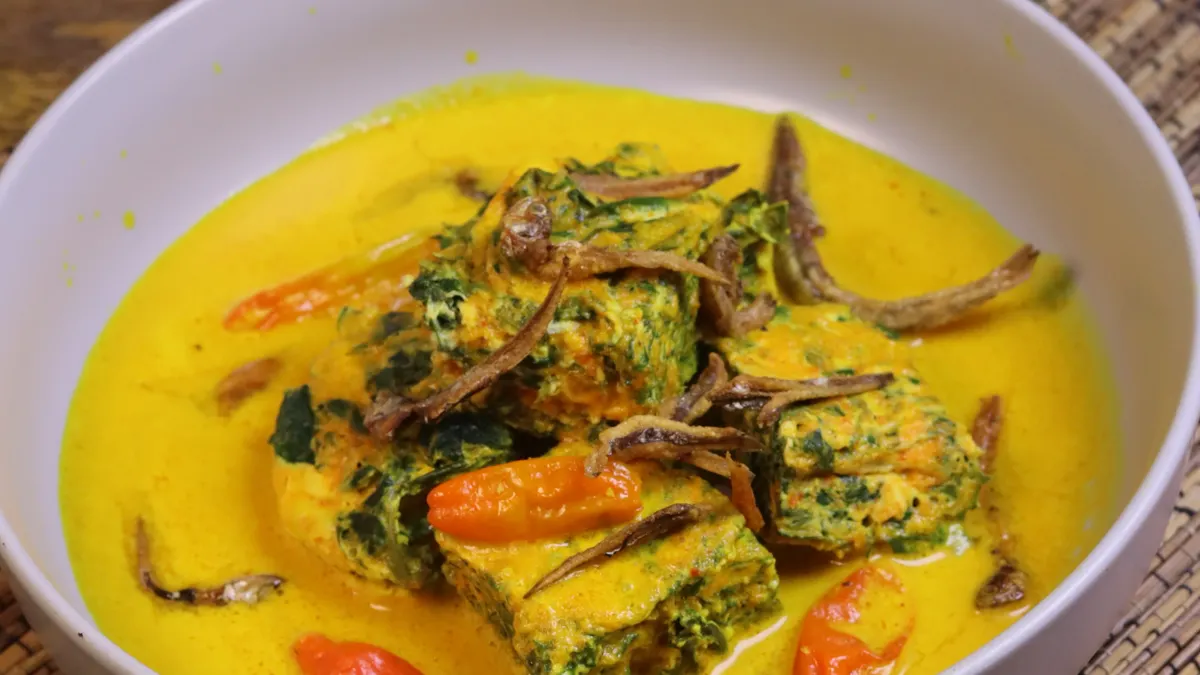
Kerala fish molee, also called meen moilee, is a mild coconut-milk fish stew with a pale golden sauce, ginger, green chile and fragrant curry leaves. Unlike a heavily spiced fish curry, it allows the flavor of the fish to come through. The essential technique is to soften the aromatics, simmer firm fish gently in a thin coconut mixture, then finish with richer coconut milk without letting it boil hard. This home-friendly version uses ingredients widely available outside Kerala while explaining which details give the dish its character.
What is Kerala fish molee?
Fish molee appears in Kerala’s coastal cooking traditions in several forms, including versions made with firm fish steaks, fresh coconut milk, green chile and curry leaves. The Kerala Tourism fish molee recipe features seer fish, ginger, garlic, coconut milk and spices, while household methods can differ in the size of the fish pieces, whether they are seared first and when coconut milk is added. That diversity is worth respecting rather than declaring one home adaptation the only authentic recipe.
The pale sauce gets its color from a small amount of turmeric, not a large quantity of red chile powder. Ginger and green chile provide warmth, while curry leaves and coconut oil contribute aromas that make it recognizably different from a generic coconut curry. The stew is often served with appam, rice or other plain starches that absorb the sauce. For cooks new to the dish, the most important lesson is gentle heat.
For a differently seasoned coconut fish preparation, compare our haddock curry with coconut and coriander. Fish molee is milder and usually finished with coconut milk in a more restrained, delicate way.
Which fish works best in coconut milk?
Choose about 1 1/2 pounds (680 g) of firm, boneless white fish cut into substantial pieces around 1 to 1 1/2 inches thick. Cod loins, halibut, barramundi and thick sea bass portions are reasonable substitutes for the fish used in many Kerala kitchens. Very thin, soft fillets may fracture while simmering. If using bone-in pieces, allow for bones at the table and pay attention to the thickest flesh when checking doneness.
Good raw fish should smell fresh and mild and have firm, moist flesh without dried or dark edges. If the fish was frozen, thaw it in the refrigerator before cooking. Pat it dry and cut it into similarly sized pieces. Do not allow raw fish to sit out while preparing the curry base. Keep it covered and chilled until the sauce is ready.
Different fish produce different results: cod flakes into large white pieces and requires careful handling, while halibut generally holds a firm outline. The stew is not the place for a highly delicate thin sole fillet, unless you adjust the method and shorten the simmer considerably.
Thin and thick coconut milk: the key distinction
In many traditional recipes, thin coconut milk starts the simmer and thick coconut milk enriches the stew toward the end. If you use canned full-fat coconut milk, you can mimic this two-stage effect by mixing part of the coconut milk with water for the initial cooking liquid and reserving the rest for finishing. Shake the can before measuring if you want an even consistency. Use unsweetened coconut milk, not coconut cream intended for desserts or sweetened beverage-style coconut milk.
Strong boiling can make the finished sauce look grainy or separated. Warm it gently after adding the rich portion, using a low flame and a slight swirl of the pan instead of vigorous stirring. A wide skillet or shallow pot lets fish pieces sit in one layer, so they remain mostly intact. If the stew becomes too thick, add a splash of warm water before the last addition of rich coconut milk.
A small squeeze of lime at the end balances coconut richness. Too much acid early in the simmer can make the dish taste sharp and interfere with the gentle flavor. Fresh curry leaves are best, but frozen leaves are often an acceptable alternative when fresh ones are unavailable.
Spices and aromatics for a gentle Kerala-style stew
This version uses a medium onion, fresh ginger, garlic, two green chiles, curry leaves, mustard seeds, turmeric, a small cinnamon stick and coconut oil. The chiles can be slit but left whole for a fragrant, milder result, or finely chopped for more heat. A few tomato slices lend mild acidity and color, though they are not the main ingredient. The aromatics are softened without browning heavily, preserving the light look of the final sauce.
Fresh ginger in thin matchsticks has a distinct texture compared with ground ginger. Curry leaves should be briefly warmed in oil to release their aroma, not fried to the point of burning. Mustard seeds can pop when first added to warm oil, so keep a lid nearby and avoid leaning over the pan. A modest amount of turmeric is enough. Do not increase it hoping for more flavor—the sauce can become earthy and overpower the fish.
For a balanced meal, serve with rice and a lightly cooked vegetable. Keep any additional seasoning on the table rather than overloading the stew before you know how salty the fish and coconut milk already taste.
Step-by-step Kerala fish molee recipe
Follow the recipe card for a four-serving batch with measured fish, coconut milk, aromatics and cooking stages. The liquid should barely simmer once the fish is in the pan. Always verify the fish has reached the safe endpoint before serving.
Kerala Fish Molee with Coconut Milk
Equipment
- Wide heavy skillet with lid
- Wooden spoon
- Fish spatula
- Instant-Read Thermometer
Ingredients
- 1 1/2 lb firm white fish cod loin, halibut or sea bass, in thick portions
- 1 can (13.5 oz) unsweetened full-fat coconut milk divided
- 3/4 cup water to dilute initial coconut milk
- 2 tbsp coconut oil
- 1/2 tsp black mustard seeds
- 1 small cinnamon stick about 1 inch
- 1 medium yellow onion thinly sliced
- 1 tbsp fresh ginger cut into matchsticks
- 4 garlic cloves thinly sliced
- 10 fresh curry leaves or suitable frozen leaves
- 2 green chiles slit lengthwise; adjust heat
- 1/4 tsp ground turmeric
- 1 medium tomato cut into thick slices
- 2 tsp lime juice fresh
- 1/4 tsp black pepper
- to taste fine salt
Instructions
- Pat safely thawed fish dry; cut into even thick portions. Slice onion, garlic and ginger, and divide coconut milk into two roughly equal portions.
- Heat coconut oil in a wide pan over medium-low. Add mustard seeds carefully, then cinnamon, onion, ginger, garlic, curry leaves and slit chiles. Cook until onion is translucent and fragrant.
- Add turmeric. Stir 3/4 cup coconut milk together with 3/4 cup water and pour into the pan; simmer gently for several minutes.
- Lay fish in one layer in the sauce, add sliced tomato, cover loosely and maintain a gentle simmer. Baste rather than stir or turn the fish vigorously.
- Check a thick fish portion after about 8 to 12 minutes, continuing as needed until the internal temperature reaches 145°F (63°C) or the flesh is opaque and flakes easily according to official guidance.
- Reduce heat to very low and add the remaining coconut milk. Swirl the pan gently to combine without a rolling boil.
- Finish with lime juice, black pepper and salt to taste. Lift fish carefully into bowls, spoon sauce around it, and serve with rice or appam.
Notes
How to keep the fish intact while it simmers
Start with the onion, ginger, garlic, curry leaves and whole spices in coconut oil. Cook until the onion is translucent and the garlic is fragrant, not dark. Add turmeric and briefly stir, then pour in the thinner coconut mixture. When the liquid reaches a gentle simmer, lower the fish pieces into the pan in a single layer. Do not stir hard with a spoon after this point. Instead, gently tilt the pan or use a ladle to spoon warm sauce over the exposed surfaces.
A fish piece thick enough to hold its shape may need roughly 8 to 12 minutes after it enters the hot liquid, but this is a planning estimate rather than a guaranteed cooking time. Check the thickest piece and continue as needed. The FoodSafety.gov cooking temperature chart gives 145°F (63°C) for finfish, or flesh that is no longer translucent and separates easily with a fork when a thermometer is not practical.
Once cooked, add the reserved rich coconut milk and warm gently without vigorous boiling. Finish with lime juice and a few fresh curry leaves. Serve promptly while the fish retains its structure.
Serving molee with rice, appam or vegetables
Plain steamed rice is an accessible accompaniment because it absorbs the pale coconut sauce without competing with the herbs. Appam, the soft-centered South Indian rice pancake, is another natural choice for a coastal-style meal. If you cannot find or prepare appam, tender flatbread or steamed rice will still make a good plate. Add a cucumber salad or simply cooked greens for freshness.
To serve, move each fish piece carefully with a wide spatula into a shallow bowl, then ladle sauce around it. This preserves the appearance of the fish and gives everyone some of the fragrant liquid. Avoid squeezing excessive lime over the entire bowl; offer wedges so diners can adjust acidity individually.
Readers looking for a bolder South Asian seafood profile may also enjoy our Thai fish curry with rice noodles, which uses a different method and seasoning structure. Keep the pages distinct so each has a clear culinary purpose.
What if the coconut sauce splits or the fish falls apart?
Grainy or oily sauce: the pan may have boiled aggressively after the rich coconut milk was added. Remove from heat, let it settle briefly, and stir very gently; a splash of warm water can soften the appearance, though it may not fully reverse the separation. Fish breaks into flakes: the pieces were too thin or stirred too forcefully. Choose thicker cuts, reduce handling and serve with a wide spatula next time.
Too spicy: leave the green chiles slit rather than chopped, and remove them before serving. Adding more thick coconut milk can mellow flavor but also changes the sauce’s richness. Too bland: adjust with a little lime juice, fresh curry leaves or a small amount of salt after tasting. Too watery: allow the initial thin coconut liquid to reduce gently before adding the fish, rather than boiling vigorously once the fish is cooked.
If the fish is cooked but the sauce needs attention, remove the pieces first and work on the liquid separately. This prevents turning a texture problem into overcooked seafood.
Safe handling and leftovers
Buy fish from a reliable supplier and keep it refrigerated at 40°F (4°C) or colder until preparation, as advised by the FDA. Separate raw fish from clean plates and ready-to-eat foods. After cooking, transfer leftovers into shallow covered containers and refrigerate promptly, within two hours or within one hour in very hot conditions. Leftovers should generally be used within three to four days when handled properly.
Reheat gently but thoroughly to 165°F (74°C), recognizing that coconut milk can separate and the fish may flake more readily on a second heating. It is often better to reheat a single portion rather than the entire pot repeatedly. If the storage history is uncertain or the seafood smells unpleasant, discard it.
Kerala fish molee rewards restraint: use firm fish, fragrant aromatics, properly staged coconut milk and gentle heat. The sauce should support the fish, not overpower it.
Frequently asked questions
What does fish molee taste like?
It is a mild, coconut-rich fish stew with ginger, curry leaves, a little turmeric and gentle heat from green chile.
Can I use cod for Kerala fish molee?
Yes. Choose thick, firm cod loins and handle them gently, since thin cod pieces can flake apart when simmered.
Why is my coconut milk sauce curdled?
A vigorous boil, especially after adding the rich coconut milk, can make the sauce separate. Lower the heat and add the richest coconut milk near the finish.
Can I use canned coconut milk?
Yes. Use unsweetened full-fat canned coconut milk and dilute part with water for the first simmer, reserving the rest for the finish.
How do I know the fish is safe to serve?
Cook finfish to 145°F (63°C) when using a reliable thermometer, or follow official guidance for opaque, easily flaked flesh.